
Knowing when to use telehealth is a practical skill that can save you two hours on a weekday morning, a trip across town, and time in a waiting room packed with people who are equally unwell. For most Malaysians, the default response to any symptom is still a clinic visit. That habit made sense before digital healthcare matured. It no longer does.
According to Malaysia’s Ministry of Health, telehealth usage has grown by over 40%, as more people discovered that a consultation, diagnosis, and prescription can be completed without leaving the house. The shift is not cosmetic. It reflects a permanent change in how everyday healthcare is delivered. If you have not yet made telehealth part of your routine, the gap between what you are doing and what is now possible is worth closing. The decision to try it once is usually the only barrier between the old approach and a significantly better one.
The True Cost of a Default Clinic Visit
The visible cost of a clinic visit is the RM20 to RM50 consultation fee. The real cost is the time absorbed by the process. For a working adult in an urban centre, a routine clinic trip typically takes between 90 minutes and two hours once you factor in travel, registration, waiting, and the consultation itself.
For a mild cough, a repeat prescription, or a question about your child’s rash, that time expenditure is entirely out of proportion to the problem. The condition did not require it. The system simply had no better option until recently. It does now.
When to Use FEV3R Before the Clinic Becomes Necessary
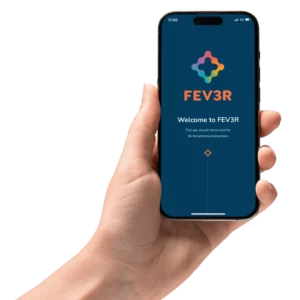
FEV3R is designed for health decisions that happen between clinic visits, not only those that force you to act. Open the app at 6 am when your throat feels off before a full day of meetings. Use it on a Sunday evening when your child’s rash appears and the nearest clinic is closed. Renew a prescription without blocking out half a day of your schedule.
Acting early changes the outcome. Rather than tolerating symptoms until they force a trip, you address them while they are still manageable. The practical result is faster recovery and fewer conditions that escalate simply because they were left too long. FEV3R turns that early window into a consistent habit rather than a lucky exception.
Conditions That Are Well Suited to Telehealth
A licensed doctor can assess, diagnose, and prescribe for a wide range of common conditions without a physical examination. Telehealth is the right first step for:
- Respiratory symptoms such as cough, sore throat, runny nose, and mild fever
- Skin concerns such as rashes, mild allergies, and insect bites
- Digestive issues including nausea, indigestion, and loose stools
- Prescription renewals for ongoing medication
- Post-treatment follow-ups after a clinic or hospital visit
- General health questions, second opinions, and symptom checks
If your symptoms are severe, involve chest pain or difficulty breathing, or follow a physical injury, an in-person visit or emergency care remains the right call. Telehealth doctors are trained to identify these situations and will tell you directly when a physical examination is necessary. That boundary is clearly observed in practice, and it is part of what makes a regulated telehealth consultation reliable rather than a gamble.
What a FEV3R Consultation Looks Like in Practice
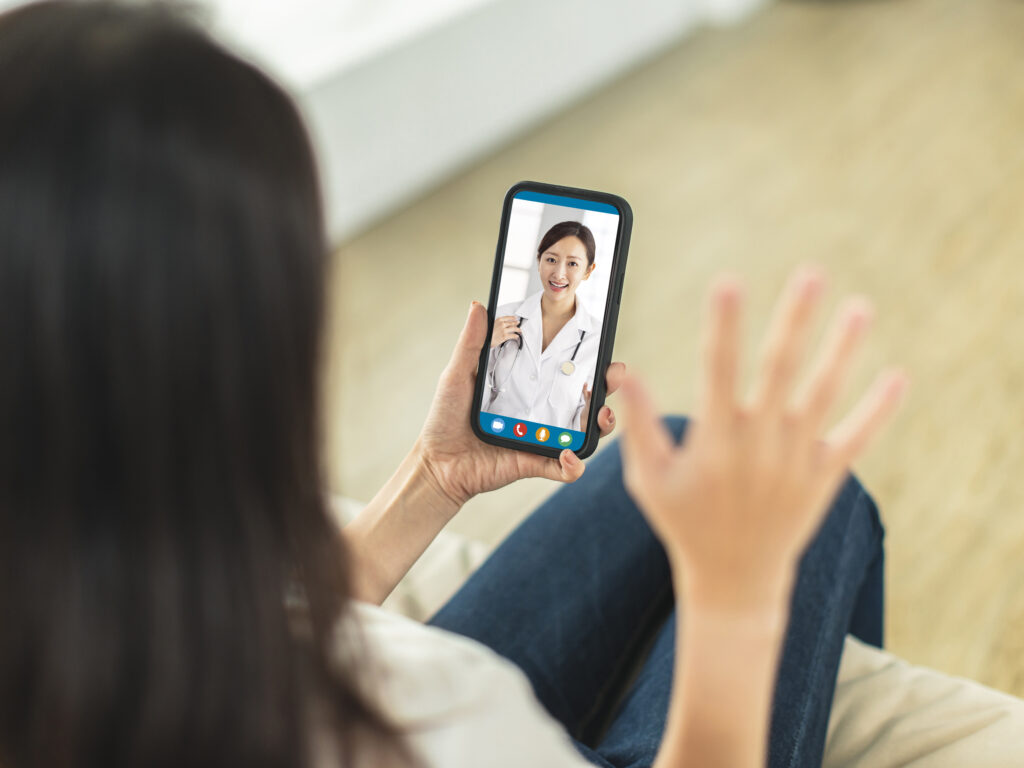
Open the app, describe your symptoms, and connect with a licensed Malaysian doctor. The full process from first tap to prescription typically takes less than 15 minutes. If medication is needed, it is prescribed digitally and delivered to your door. There is no queue, no travel, and no paperwork to manage.
For users managing ongoing conditions such as hypertension or diabetes, regular check-ins through FEV3R keep your doctor informed without requiring a clinic visit each time. Your consultation history builds inside the app, so each session continues from where the previous one left off rather than restarting from scratch. Over time, that continuity produces better care meaningfully.
How to Start Using Telehealth Today
If you have not used telehealth before, the barrier is lower than you expect. Download the FEV3R app, create a free account, and try it the next time a symptom appears. Note how long the process takes compared to your last clinic visit. Most users are done, diagnosed, and prescribed within 15 minutes.
FEV3R runs on a flat monthly subscription of RM24, with a free access that requires no credit card upfront. One consultation is enough to make the comparison clear.
The Practical Rule: Start With Telehealth, Visit the Clinic When You Need It
Telehealth does not replace your physical clinic or your hospital visit. It fills the large gap between those formal touchpoints and the daily reality of minor symptoms, recurring medication, and health questions that do not rise to the level of an emergency. That gap is where most health decisions happen.
If the condition is manageable, not an emergency, and does not require a physical examination, start with telehealth. Reserve the clinic for when you genuinely need one. Start to explore your telehealth service now. The sooner it becomes a reflex, the less time and money you spend on healthcare that could have been handled in 15 minutes from your phone.
Frequently Asked Questions
Q1. Is telehealth suitable for children?
Yes. Telehealth doctors assess common childhood conditions (fever, cough, rashes, stomach complaints), prescribe age-appropriate medication, and will refer you for in-person care when necessary.
Q2. What if the doctor recommends a clinic visit anyway?
That can happen; responsible telehealth doctors will advise an in-person assessment when needed and can prepare a referral note to speed the next visit.
Q3. Can FEV3R handle prescription renewals?
Yes. Doctors can review your history, renew ongoing prescriptions, and issue a digital prescription.