
Telemedicine in Malaysia has moved past the experimental stage into everyday use. According to a 2024 research paper published in the Journal of Infrastructure, Policy and Development, Malaysia had an estimated 2.5 million monthly telehealth users, a figure that has been rising steadily since 2021. That number reflects more than adoption statistics. It reflects a population that found the time cost of the old system too high and stopped accepting it.
The old system had a shape that most Malaysians know well: queue tickets by 8 am, waits of two hours for a five-minute consultation, and half a day gone for a condition that needed ten minutes of medical attention. Online consultations changed that equation. The scale of uptake confirms that the shift was not only welcome but overdue. The 2.5 million figure is not a ceiling. It is a snapshot of a trend that shows no sign of reversing.
What the Traditional System Cost People
A healthcare model built around physical presence required Malaysians to structure their days around their health needs. Half a day of annual leave. Petrol and parking on top of the consultation fee. Waiting rooms shared with other unwell patients. For workers in urban centres and particularly those living in rural areas, the logistics were consistently disproportionate to the condition being treated.
The continuity problem compounded this further. Walk-in clinics see whoever arrives. Staff typically have no history of your case, no record of previous prescriptions, and no awareness of patterns in your symptoms. Every visit started from zero, which is a structural failure for anyone managing a recurring or chronic condition. Over time, that gap can have direct consequences for care quality. It also means the time you invest in each visit rarely builds toward anything useful for the next one.
The Practical Forces Behind the Shift
Several converging pressures have helped make telemedicine a practical option for routine healthcare. In early 2024, internet penetration in Malaysia stood at 97.4% of the population, making digital health tools accessible to most Malaysians, according to DataReportal’s Digital 2024 Malaysia report.
The post-pandemic familiarity with video calls reduced the psychological friction of speaking to a medical professional through a screen. Rising clinic consultation fees pushed patients to consider the real cost of alternatives. At the same time, ongoing national digital-health initiatives and evolving regulatory guidance have made telemedicine increasingly viable for both providers and patients.
How Telemedicine Changes the Ordinary Health Moment
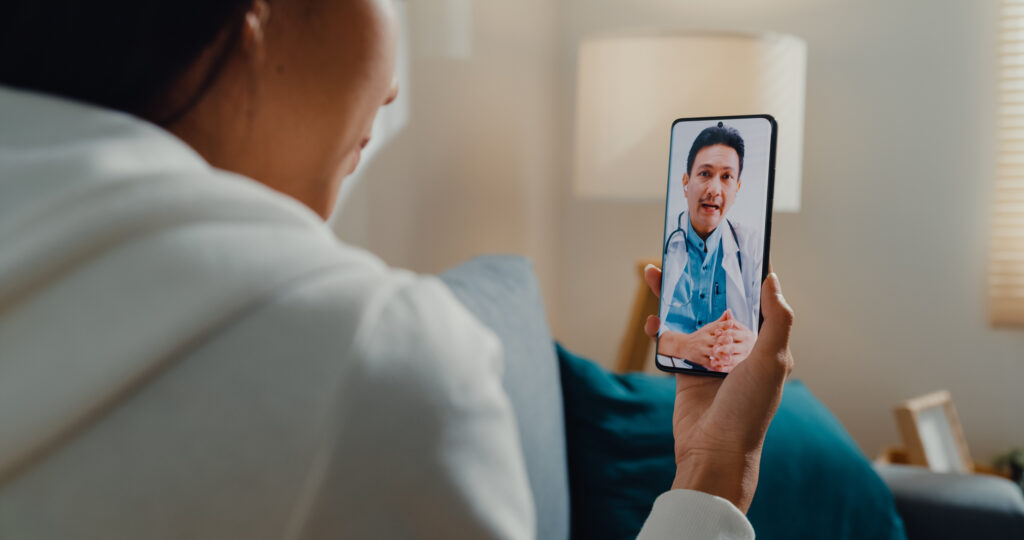
The impact of telemedicine is felt most clearly in small, daily situations that previously had no good solution. A sore throat at 6 am addressed before work begins. A child’s rash on a Sunday evening was diagnosed within the hour. A prescription renewal managed without taking annual leave. None of these are emergencies. They are the repetitive, ordinary health moments that the physical clinic model handles poorly because it was not designed for them.
Telemedicine handles these situations without consuming your day. That practical shift in experience, more than any list of platform features, is what drives sustained adoption across the population.
FEV3R as the Everyday Healthcare Layer
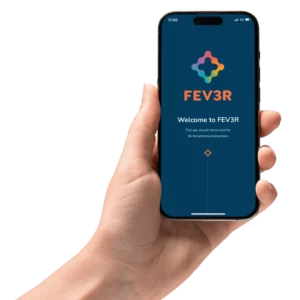
FEV3R sits in the gap between formal healthcare touchpoints and the frequency with which people actually need medical input. It is not an emergency service or a replacement for hospitals. It is the everyday access point, available 24 hours a day at a flat monthly rate of RM24.
Every consultation is with a licensed Malaysian doctor. Prescriptions are issued digitally. Medication is delivered to your door. There are no per-visit charges and no queues. For working professionals and families, that structure turns healthcare from a reactive scramble into a manageable routine. FEV3R is what makes the broader shift to telemedicine work in practice, not just in theory. It removes the friction that causes people to delay care, and that delay is where most health problems become more difficult to manage.
The Direction Malaysia Is Moving
Malaysia continues to invest in digital-health infrastructure, including electronic health records, digital prescriptions, and broader healthcare digitisation efforts. The regulatory environment is evolving alongside these developments, reflecting the growing role of digital healthcare in the country’s healthcare system.
Telemedicine crossed the mainstream in Malaysia years ago. The 2.5 million monthly users are not early adopters exploring something new. They are people who tried it once, found it worked, and stopped returning to the waiting room for conditions that do not require it. The only remaining question is whether the platform you are using makes it work reliably.
Healthcare That Does Not Require You to Queue
Physical clinics are not disappearing. For procedures, specialist care, and complex diagnostics, they remain essential. But for the bulk of everyday health needs, you no longer need to be in a waiting room. The seven-day free trial on FEV3R is the fastest way to find out how much of your regular healthcare fits into a 15-minute phone consultation.
Frequently Asked Questions
Q1. Is telemedicine in Malaysia legally recognised?
Yes. Telemedicine operates within Malaysia’s healthcare regulatory framework, including the Telemedicine Act 1997 and guidance issued by the Malaysian Medical Council. Licensed platforms operate within these requirements and employ registered doctors.
Q2. Are online consultations thorough enough for common conditions?
For most common conditions, yes. A trained doctor can assess symptoms, recommend treatment, and issue prescriptions through an online session. Physical examinations are not possible remotely, which is why telehealth doctors are specifically trained to identify when an in-person visit is genuinely necessary.
Q3. How do I verify the doctor I am speaking to is qualified?
On regulated platforms like FEV3R, all doctors hold current registrations and practising credentials with the Malaysian Medical Council. You can request credential details during a consultation, and the platform maintains a verified register of practitioners.