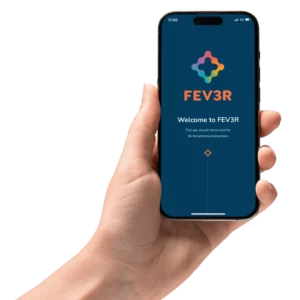


Telehealth employee benefits are shifting from a workplace perk to a practical baseline across Malaysian businesses. Employers continue to face significant productivity losses associated with absenteeism, presenteeism, and delays in accessing healthcare. The underlying structure of that problem has not changed: employees without fast, convenient healthcare access get sick, stay sick longer, and may miss work for conditions that could have been managed in a short consultation.
HR managers across Malaysia recognise the pattern. A cluster of last-minute absences on a Monday morning. Minor illnesses that become lost workdays because the only option required a half-day clinic trip. Telehealth benefits address that gap directly, and companies that adopt them early may see improvements in attendance, healthcare accessibility, and employee satisfaction.
Why the Panel Clinic Model Is Falling Short
Most employer-provided healthcare in Malaysia still operates through a reimbursement or panel-clinic model. Employees visit a pre-approved clinic, pay at the counter or present a membership card, and either wait for reimbursement or are restricted to providers that the employer has negotiated with.
The structural gaps are familiar to anyone who has managed them. Panel networks may exclude clinics near where employees live or work. Reimbursement processes add friction that discourages use for minor conditions. After-hours access is often limited. For remote or hybrid employees, the model assumes a geographic proximity that may no longer reflect modern work arrangements.
The benefit exists on paper but can fall short in practice for a significant share of the workforce it is intended to serve.
What Employees Are Actually Looking For
Research by Mercer Marsh Benefits in 2025 found that 36% of employees across Asia said the health benefits provided by their employer do not meet their needs. Not coverage value. Not network breadth. Whether the benefit actually works for how they live.
A benefit that employees find too cumbersome to use can become an underutilised expense rather than a meaningful investment in workforce wellbeing.
Employees today expect healthcare that fits around their schedules. That means access before 8 a.m., after 6 p.m., and on weekends. It means not needing to take annual leave to manage a repeat prescription for a condition that has been stable for years.
FEV3R is structured to meet those expectations without requiring employees to rearrange their working day.
What Changes When Telehealth Is in the Benefits Package
When employees can consult a doctor without leaving their desk or home, the practical impact can be immediate. FEV3R is available 24 hours a day, seven days a week, allowing minor illnesses to be addressed before they potentially escalate.
Employees do not need to take half a day off for common ailments. People managing ongoing conditions such as hypertension or diabetes can complete regular check-ins without disrupting the working day.
For HR teams, the potential outcomes include fewer disruptions, faster access to care, and a workforce that feels supported rather than left to navigate a fragmented healthcare system independently. Reduced reimbursement administration may also lower operational overhead.
The Cost Case for SMEs
For small and medium-sized enterprises (SMEs), the economics of a flat-rate telehealth subscription can be straightforward. Traditional healthcare arrangements may involve annual commitments, per-consultation costs, and claims administration overhead.
A telehealth subscription consolidates healthcare access into a more predictable monthly cost per employee.
There are no reimbursement disputes and fewer administrative touchpoints to manage. The cost remains predictable regardless of whether an employee consults once a month or multiple times.
As headcount grows, the subscription model can scale without requiring significant additional administrative effort.
How FEV3R Is Structured for Corporate Clients
FEV3R’s corporate subscription gives every employee unlimited access to licensed doctors around the clock, along with digital prescriptions and nationwide medication delivery. HR teams receive aggregated, anonymised usage data that can support workforce-health planning without exposing individual consultation details.
There are no hidden charges and no per-session billing.
For HR managers currently handling reimbursement processes and addressing questions about panel-clinic network limitations, the operational simplicity of a subscription model can offer meaningful day-to-day value.
Healthcare access remains available for every employee without requiring continuous administration to keep the benefit functioning.
Where Employee Health Benefits Are Heading
Digital healthcare benefits are becoming increasingly common as employers compete for talent and seek ways to support employee wellbeing.
As employee expectations evolve, healthcare access is shifting from a differentiating perk to a more widely expected component of a competitive benefits package.
Organisations that integrate telehealth into their benefits strategy today may be better positioned to support workforce wellbeing while adapting to changing employee expectations.
Health Benefit Only Works If Employees Actually Use It
A benefit has value only when employees use it.
Telehealth removes many of the practical barriers that often discourage healthcare utilisation: travel time, waiting rooms, scheduling conflicts, and limited after-hours access.
FEV3R’s corporate plans are available with a trial period, allowing organisations to evaluate the service before making a longer-term commitment.
Contact the FEV3R corporate team with your headcount to discuss pricing, implementation options, and onboarding requirements.
Frequently Asked Questions
Q1. Can employees include family members in their FEV3R subscription?
Yes. FEV3R offers family add-on options that allow employees to extend their subscription to immediate family members. This can be particularly valuable for employees with young children or elderly dependents who require regular healthcare support.
Q2. How does FEV3R work alongside our existing health benefits?
FEV3R complements existing benefits rather than replacing them. It supports high-frequency, lower-complexity healthcare interactions that may not require a physical clinic visit.
Employees can continue using existing healthcare benefits for services that require in-person assessment, while routine consultations can be managed through FEV3R.
Q3. Is there a minimum team size for FEV3R’s corporate plan?
FEV3R’s corporate plans are designed to accommodate organisations of different sizes, including SMEs.