

Not too long ago, managing your finances meant lining up at the bank, filling out forms, and waiting your turn. Today, it’s as simple as unlocking your phone.
From transferring money to paying bills, Malaysians have fully embraced digital banking. And now, that same behaviour is extending into another essential part of life: healthcare.
The shift towards digital health adoption is not happening in isolation. It’s part of a larger transformation driven by convenience, accessibility, and growing confidence in healthcare technology.
So, what’s behind this shift and why are Malaysians increasingly comfortable going digital for everything?
The Fintech Effect: A Behavioural Shift
Malaysia’s rapid adoption of fintech has changed how people think about services.
Banking apps have shown that complex processes can be simplified. What once required time and effort can now be done instantly.
This shift has built trust in digital platforms and improved overall digital literacy. People are more comfortable navigating apps, understanding interfaces, and managing important aspects of their lives online.
This behavioural change has laid the foundation for digital health adoption.
Why Healthcare Is Following the Same Path
Healthcare, like banking, has traditionally been seen as something that requires physical presence.
But just as banking evolved, healthcare is now being reimagined through healthcare technology.
Instead of:
- Travelling to clinics
- Waiting in long queues
- Scheduling appointments days in advance
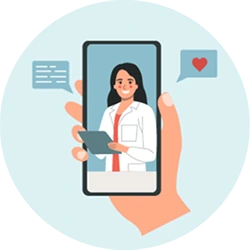
People can now access care through telemedicine Malaysia platforms quickly and conveniently.
This mirrors the same convenience that made digital banking so successful.
Convenience Is Driving Change
One of the biggest reasons behind digital health adoption is convenience.
Modern lifestyles are busy. Between work, family, and social commitments, finding time to visit a clinic can be challenging.
Digital solutions remove this barrier.
With telemedicine Malaysia, users can:
- Speak to a doctor from home
- Get advice without taking time off work
- Access care during non-clinic hours
This level of convenience makes it easier for people to prioritise their health.
Digital Literacy Is No Longer a Barrier
A few years ago, concerns around digital literacy may have slowed adoption.
Today, that’s no longer the case.
Malaysians of all ages are becoming more comfortable with digital tools. From using e-wallets to ordering food online, technology is now part of everyday life.
This increased confidence makes it easier for people to explore healthcare technology without hesitation.
As a result, digital health adoption continues to grow across different demographics.
Trust Is Built Through Familiarity
One key factor behind the success of digital banking is trust.
People trust platforms they use regularly. The more familiar something becomes, the more comfortable they feel relying on it.
The same applies to telemedicine Malaysia.
As more Malaysians use digital health services and have positive experiences, trust grows. Over time, what once felt unfamiliar becomes normal.
This is how digital health adoption transitions from a trend to a standard.
Accessibility for All
Digital platforms have the potential to make healthcare more inclusive.
For those living in areas with limited access to clinics, telemedicine Malaysia provides an alternative. It reduces the need for travel and ensures that medical advice is always within reach.
This is one of the most impactful aspects of healthcare technology – it bridges gaps and makes care more accessible.
As digital literacy improves, more people can benefit from these solutions.
From Reactive to Proactive Health Management
Another advantage of digital health adoption is how it encourages proactive behaviour.
When healthcare is easily accessible, people are more likely to:
- Seek advice early
- Monitor their health regularly
- Stay informed about their wellbeing
This shift from reactive to proactive care leads to better outcomes in the long run.
It also aligns with the broader role of healthcare technology in promoting preventive health.
How FEV3R Fits Into Malaysia’s Digital Shift
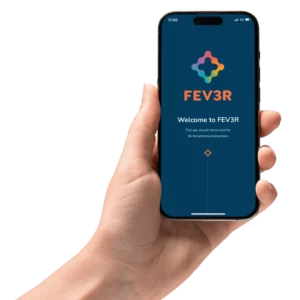
As Malaysians continue embracing digital solutions, platforms like FEV3R are helping bridge the gap between convenience and care.
FEV3R leverages healthcare technology to make accessing medical support simple and consistent. By aligning with the growing trend of telemedicine Malaysia, it allows users to manage their health in the same way they manage other aspects of their lives digitally.
With increasing digital literacy, users can easily navigate the platform, consult doctors, and stay on top of their health without unnecessary hassle.
This contributes to the overall rise of digital health adoption, making healthcare feel less like a task and more like a seamless part of daily life.
The Role of Speed and Efficiency
In a fast-paced world, speed matters.
People expect services to be quick, responsive, and efficient. Digital platforms deliver on these expectations.
With telemedicine Malaysia, users don’t have to wait days for an appointment. They can get answers quickly, which reduces uncertainty and stress.
This efficiency is a major driver of digital health adoption.
Challenges and How They’re Being Addressed
While the shift towards digital is clear, it’s not without challenges.
Some concerns include:
- Data privacy
- Reliability of platforms
- Preference for face-to-face interaction
However, advancements in healthcare technology are addressing these issues. Improved security measures, better user experiences, and increased awareness are helping build confidence.
As digital literacy continues to grow, these concerns are gradually being reduced.
The Future of Healthcare in Malaysia
The trajectory is clear, healthcare is becoming more digital.
As digital health adoption increases, we can expect:
- More integrated platforms
- Better user experiences
- Greater accessibility
Telemedicine Malaysia will likely become a standard option rather than an alternative.
This evolution reflects a broader shift in how Malaysians interact with services, prioritising convenience, efficiency, and accessibility.
A Digital-First Mindset
The transition from banking apps to health apps isn’t just about technology but it’s about mindset.
Malaysians have already embraced digital solutions for managing money. Now, they’re applying the same logic to managing their health.
With rising digital literacy and continuous advancements in healthcare technology, the path towards widespread digital health adoption is becoming clearer.
Because when something is easy, accessible, and reliable, people naturally choose it.
And in today’s world, going digital isn’t just an option, it’s becoming the default.