

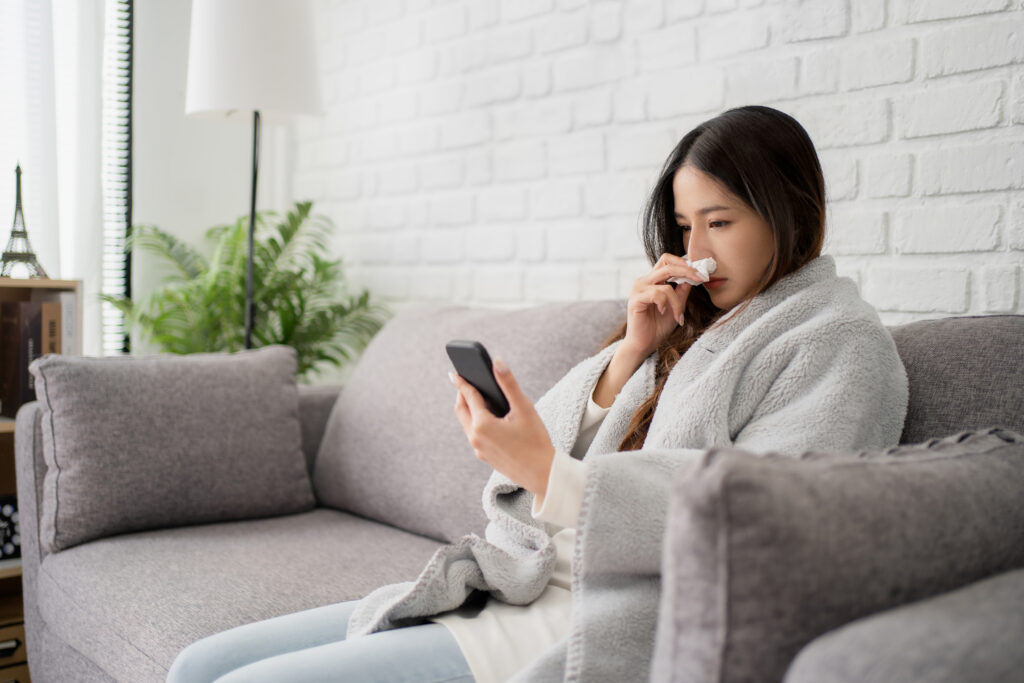
The rendang was unbeatable. The whole trip was worth it. Three days after getting home, the sore throat starts. Then the blocked nose. Then you spend the first week back in bed. Falling sick after travelling in Malaysia is so common that most people just accept it as part of the deal. There are specific reasons it keeps happening, and most of them are manageable.
Why the Immune System Drops After a Trip
Being sick after travelling is not a sign of a weak immune system. It is a predictable response to a set of conditions that almost every trip creates, whether you are heading to Penang for a weekend or returning from a full balik kampung for Hari Raya.
Long drives and bus rides during festive seasons put you in enclosed spaces with large numbers of people for hours at a stretch. Your body is simultaneously managing physical fatigue, disrupted meals, and broken sleep, all of which reduce your immune system’s capacity to fight back against whatever it is exposed to.
Environmental changes add another layer. Moving between air-conditioned Kuala Lumpur and a humid kampung, sharing a home with young children who carry germs from school, or eating at stalls with different food handling practices introduces new exposures to an immune system that is already working harder than usual.
Then there is the post-trip crash. Once you are home and the adrenaline and excitement fade, your body finally has the space to register what it was suppressing throughout the trip. Illness often surfaces in the first few days of rest, not during the event itself. This is why you felt fine the entire time you were there and only got knocked down after returning.
Building a Habit of Protecting Yourself Around Every Trip
Approaching travel health as a set of small, consistent habits changes the outcome significantly.
In the days before you travel, sleep is the most important investment you can make. Your immune system performs best when you are well-rested. Heading into a long journey already sleep-deprived means your defenses start the trip compromised before you have even left home.
During the trip, staying hydrated with plain water is more important than most people realise. Replacing water with teh-o ais or canned drinks at rest stops means arriving dehydrated, which suppresses immune function. Keeping a water bottle accessible and drinking consistently across the journey is a practical, low-effort way to stay functional throughout. Hand hygiene at rest stops, shared toilets, and communal makan settings also significantly reduces how much you pick up along the way.
After returning, the most common mistake is waiting to see if a sore throat or runny nose clears up on its own. A mild infection that gets three days of rest and proper hydration and an early doctor’s visit often resolves cleanly. The same infection ignored for a week often turns into something that costs you significantly more time off work.
FEV3R Is Available When Clinics Are Not
Getting sick on a public holiday or right after returning from a trip is one of the most frustrating healthcare situations in Malaysia. Clinics are often closed or running reduced hours. The hospital feels like overkill for a sore throat and fever. And you still have work waiting for you first thing on Monday.
FEV3R is available every day of the year, including Hari Raya, Chinese New Year, and every public holiday in between. Your RM24 monthly subscription gives you unlimited access to a qualified doctor from wherever you are. You can describe your symptoms, get a proper assessment, and receive clear guidance without sitting in a queue. If medication is needed, it is delivered to your door for free anywhere in Malaysia.
If you travel regularly for work or family throughout the year, FEV3R means you always have a doctor available precisely when accessing one otherwise feels impossible.
Stop Treating It as Inevitable
Post-travel illness is largely preventable with better habits and manageable with early support. Build your travel routine around protecting your immune system before the trip, during it, and in the first few days after. That is not over-preparation. That is taking everyday health seriously.
[Subscribe to FEV3R at RM24/month and get unlimited doctor access, even on public holidays.]
Frequently Asked Questions
Q1. Why do I always get sick after the long drive home from kampung specifically?
The combination of hours in an enclosed vehicle with others, accumulated sleep deprivation, irregular meals, and the post-adrenaline immune dip creates ideal conditions for illness to surface once you are home and your body finally relaxes.
Q2. What travel symptoms should I not wait out?
A fever above 38.5 degrees Celsius, bloody diarrhoea, severe vomiting, difficulty breathing, or unusual rashes should be assessed promptly. A FEV3R doctor can help you decide whether these need urgent in-person care or can be managed through an online consultation.
Q3. Is it worth speaking to a doctor for just a sore throat after a trip?
Yes, especially if you cannot afford to be out of action for a week. Catching a post-travel infection early gives you options. Waiting until it has worsened limits them. A FEV3R consultation takes minutes and is included in your monthly subscription at no extra cost.