

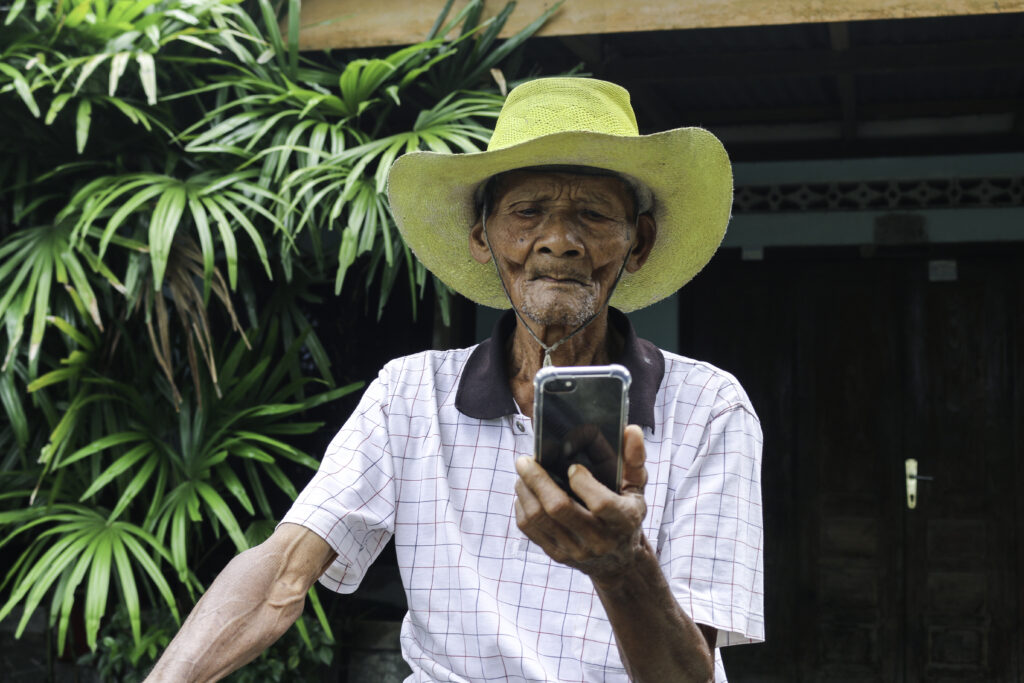
Many Malaysian families have experienced this moment.
Mak will casually mention her knee pain during dinner. Atuk will talk about feeling dizzy last week. They describe symptoms openly, sometimes even in detail. But when you suggest seeing a doctor or offer to accompany them, the response is often the same:
“It’s okay, I don’t want to trouble anyone.”
This quiet contradiction reveals something deeper about senior healthcare in Malaysia. Seniors are often more comfortable talking about what hurts than asking directly for help. Pride, independence, and fear of becoming a burden shape how our ageing community approaches health.
Understanding this behaviour is essential to improving elderly care Malaysia provides, both within families and across the healthcare system.
The Culture of Self-Reliance
Many of today’s seniors grew up during times when hardship was normal. They raised families, built businesses, and endured economic uncertainty. Asking for help was not always an option.
That mindset carries into senior healthcare decisions today.
To them, independence equals dignity. Accepting help, especially from their own children can feel like a loss of authority. Even when symptoms persist, they may minimise concerns to protect their sense of control.
This pattern affects elder communication in subtle ways. Seniors may:
- Share symptoms casually but reject solutions
- Downplay severity
- Change the topic when medical appointments are suggested
- Say they are “fine” even when discomfort continues
Without recognising this emotional layer, families may misinterpret hesitation as stubbornness.
The Fear of Becoming a Burden
One of the strongest emotional drivers in elderly care Malaysia is the fear of burdening family members.
Many seniors worry about:
- Financial strain from healthcare cost
- Taking time away from their children’s work
- Creating stress within the household
In multi-generational Malaysian families, adult children often juggle careers, parenting, and financial commitments. Seniors are aware of this. They may avoid asking for help because they do not want to add to the pressure.
This dynamic impacts senior healthcare outcomes significantly. Delayed treatment often leads to more complex issues later, sometimes increasing healthcare costs in the long run.
Talking Feels Safer Than Asking for Support
Discussing symptoms is conversational. It maintains independence. Asking for help feels like dependency.
Within the ageing community, this distinction matters.
When a senior says, “My back has been aching,” they are sharing information. But when they say, “Can you bring me to the clinic?” they are acknowledging vulnerability.
This shift can be emotionally difficult.
Improving elder communication requires recognising that symptom-sharing may actually be a subtle request for reassurance, even if it is not phrased as one.
Financial Concerns and Healthcare Cost Anxiety
Even seniors with savings often worry about healthcare cost. Many have seen friends face expensive hospital bills. They may not fully understand insurance coverage or government subsidies.
In Malaysia, public healthcare provides support, but waiting times and system navigation can feel overwhelming. Private healthcare, on the other hand, may seem financially intimidating.
When seniors weigh these options, they sometimes conclude that “it’s better not to check.”
This is where gaps in senior healthcare awareness appear. Fear of cost leads to postponement. Postponement leads to complications.
Addressing healthcare cost anxiety is therefore central to strengthening elderly care Malaysia offers.
The Emotional Side of Ageing
Beyond pride and finances, there is also identity.
Many seniors struggle quietly with the transition from being caregivers to needing care themselves. It challenges long-held roles within the family.
Within Malaysia’s ageing community, this transition can be particularly sensitive. Elders are often respected decision-makers. Asking for help may feel like losing that position.
Recognising this emotional shift is key to improving senior healthcare conversations. It is not about forcing compliance but it is about preserving dignity while encouraging safety.
When Communication Breaks Down
Poor elder communication does not always look dramatic. It often appears as small misunderstandings:
- Children assume symptoms are minor.
- Seniors assume children are too busy.
- Both sides avoid deeper discussion.
Over time, untreated conditions escalate. What could have been a simple consultation becomes a hospital admission.
Better elderly care Malaysia requires proactive dialogue, not reactive intervention.
Practical Ways Families Can Encourage Help-Seeking
Improving senior healthcare outcomes does not mean removing independence. It means reframing support.
Here are practical approaches:
1. Normalise Preventive Care
Position check-ups as routine maintenance rather than emergency responses. This reduces fear around healthcare cost and severity.
2. Offer Specific Help
Instead of asking, “Do you need anything?”, say, “I have time tomorrow morning, let’s go for a quick check-up.”
3. Share Information Gently
Explain healthcare options clearly. Many seniors are unaware of available services or structured elderly care Malaysia pathways.
4. Respect Autonomy
Include them in decision-making. Independence remains intact when choices are collaborative.
These strategies strengthen elder communication without diminishing dignity.
The Role of Digital Healthcare in Senior Support
Digital healthcare platforms are becoming increasingly relevant for Malaysia’s ageing community, especially when mobility or transportation becomes a challenge.
Family members can assist seniors in accessing teleconsultations, allowing them to speak directly with doctors from home. This reduces anxiety around hospital environments and may ease concerns about healthcare cost.
One example is FEV3R, a healthcare subscription app that connects users to licensed medical professionals conveniently. For families managing senior healthcare, FEV3R offers accessible consultations without requiring immediate hospital visits.
This structure supports elderly care Malaysia by:
- Allowing early medical assessment
- Reducing unnecessary clinic trips
- Offering clearer guidance before conditions escalate
When seniors can talk directly to doctors through guided support, it bridges the gap between symptom-sharing and formal help-seeking.
It also reduces emotional friction within families. Instead of adult children persuading parents repeatedly, professional medical advice becomes the guiding voice.
For households concerned about healthcare cost, subscription-based access can provide predictable expenses while strengthening preventive care.
Recognising Subtle Warning Signs
Because seniors may avoid explicitly asking for help, families should watch for patterns:
- Repeated mentions of the same symptom
- Reduced appetite or activity
- Changes in sleep habits
- Increased irritability
These signals often precede more serious concerns.
Within the ageing community, early intervention is one of the most effective ways to reduce long-term healthcare cost and improve quality of life.
Balancing Respect and Responsibility
Caring for ageing parents in Malaysia involves emotional complexity. Adult children must balance respect for independence with responsibility for safety.
Strong elder communication does not mean overriding decisions. It means creating safe spaces where asking for help does not feel like surrendering dignity.
By shifting conversations from “You need help” to “We’re in this together,” families can protect both pride and wellbeing.
A Changing Future for Senior Healthcare in Malaysia
Malaysia’s ageing community continues to grow. As this demographic expands, conversations around senior healthcare will become more urgent.
Improving elderly care Malaysia offers requires:
- Accessible services
- Transparent information about healthcare cost
- Family education on communication
- Community support systems
The solution is not to criticise seniors for hesitating. It is to understand why.
When elders talk about symptoms, they are opening a door. It may not sound like a request but it is an opportunity.
By responding with empathy, clarity, and structured support, families can transform casual mentions of pain into proactive care plans.
Because in the end, preserving dignity should never mean postponing health.
And within Malaysia’s evolving senior healthcare landscape, empowering better elder communication may be one of the most powerful forms of care we can offer.