

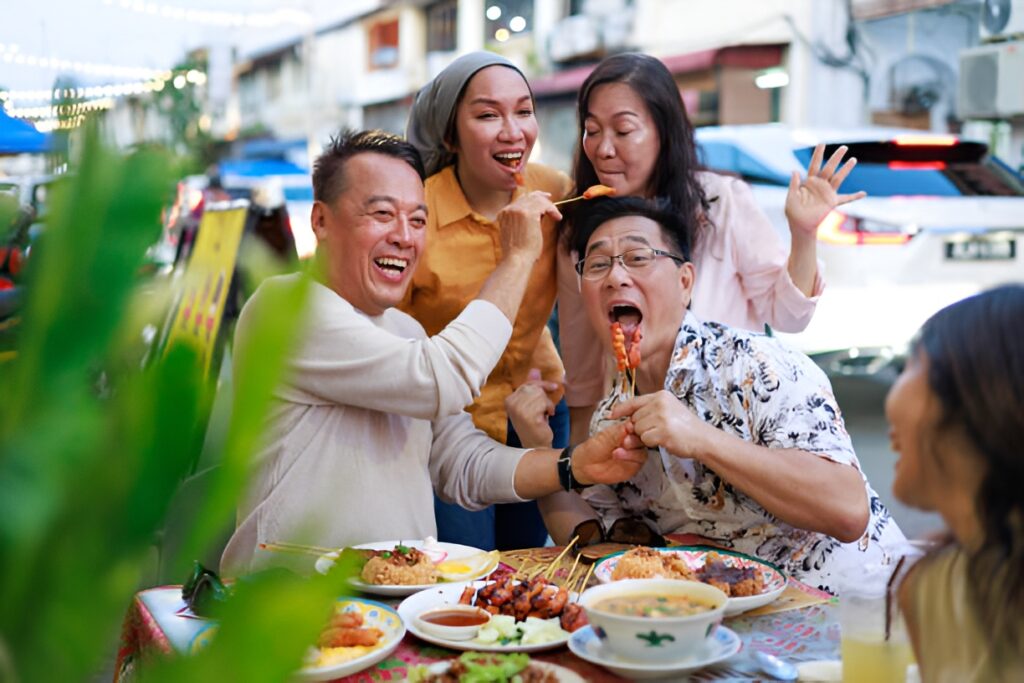
Travelling to a new town or state often means unfamiliar food, water, and routines, all of which can affect the body in ways a familiar environment usually does not. A stomach bug from an unfamiliar stall, a headache after a long drive, or a mild fever partway through a trip is common enough, yet finding care away from a regular clinic is rarely straightforward. This is particularly true during Malaysia’s busiest travel periods, when the nearest clinic may already be closed or fully booked, well before most families have thought to plan around the possibility.
The Scale of Domestic Travel in Malaysia
Malaysia recorded 290.1 million domestic visitors in 2025, up from 260.1 million in 2024, according to the Department of Statistics Malaysia. The trend has continued into 2026, with 74.7 million domestic visitors recorded in the first quarter alone, a 7.2% increase from the same period a year earlier. A significant share of that travel takes place during festive holidays, school breaks, and long weekends, the same periods when local clinics are most likely to be closed or fully booked.
An untreated stomach bug or fever can affect the rest of a trip, whether for a family travelling back to a hometown or a couple on a short break, and in some cases delay proper care for someone who needs it. Access to a doctor that does not depend on location matters more as domestic travel continues to grow year after year.
Why Small-Town Clinics Aren’t a Reliable Backup
The difficulty with getting sick while travelling is rarely the symptom itself. It is finding care in a place where nothing, from the clinic to the pharmacy, is familiar. A regular GP and pharmacy are usually back home, along with a record of a family’s medical history built up over years of visits. Small-town clinics often keep limited hours, particularly around festive periods, when queues lengthen, and staff are stretched thin. A visit that would be quick and familiar at home can instead become a longer search for somewhere still open, especially once evening arrives and options narrow further.
Local reviews only go so far when a clinic listed online has closed or changed its hours without an update. A pharmacy in an unfamiliar town also has no record of a traveller’s medical history, so even a minor complaint means explaining the same details from scratch.
Common Issues While Travelling
Once someone is away from their usual routine, food, and water, a few issues tend to come up often enough to plan around:
- Stomach discomfort or mild food poisoning from unfamiliar meals or water
- Dehydration or heat-related symptoms after long hours on the road
- A fever or cold that appears partway through a trip
- A minor injury or allergic reaction in a place with no familiar pharmacy or clinic nearby
The Doctor That Travels with You
This is where FEV3R becomes the more dependable option. Doctor access is available online at any hour for a flat RM24 monthly subscription, including on public holidays, when most local clinics are closed. A consultation can take place from a car, a hotel room, or a relative’s house, and medication can still be delivered nationwide to wherever the traveller is staying, not just a home address. A symptom that would otherwise mean searching for an unfamiliar clinic instead becomes a short consultation, wherever the family happens to be at the time.
Why a Consistent Record Matters
Consulting the same service on every trip means a doctor already has access to a person’s medical history, rather than starting from nothing. This matters for anyone managing an ongoing condition and for a parent who wants a doctor to have the full picture of a child’s symptoms rather than relying on memory alone, particularly if the same symptom has come up before on an earlier trip.
A Trip That Doesn’t Have to Stop
A holiday or a trip home should not depend on whether the nearest clinic is open. Festive periods bring more people onto the roads and into unfamiliar towns at the same time local clinics are short-staffed or closed. This is when access to a doctor from a phone becomes most useful to a family that would otherwise have no way of knowing which clinic, if any, is still open nearby.
Setting up FEV3R before travelling is a small step, similar to checking the tyres or filling the fuel tank, that removes one variable a family cannot otherwise plan around. A family that has already set this up has one less decision to make on a day that is already stressful enough, and one fewer unknown to manage on the road.
The next time a trip is being planned, setting this up in advance is worth doing before a symptom appears, not after.
Frequently Asked Questions
Q1. Does FEV3R work outside major cities?
Yes. Consultations take place online, so access is not limited to the Klang Valley or major towns, and medication delivery reaches every state, including outstation addresses.
Q2. Can medication be delivered to where I am staying, not my home address?
Yes. Deliveries can be sent to any valid address provided, including a hotel, chalet, or relative’s house while travelling.
Q3. What if my child falls sick while we are travelling?
A doctor can assess a child’s symptoms through a consultation and advise on next steps, including whether an in-person visit is needed for anything beyond routine care.