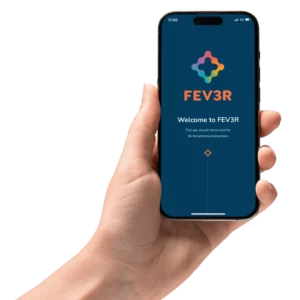


Healthcare benefits are only valuable if employees actually trust and use them. Many Malaysian companies today are offering digital healthcare access, but one question still comes up quietly in HR meetings and team chats: What really happens after someone taps “Consult Doctor”?
Understanding the consultation process matters because it builds confidence not just for employees, but also for employers who need assurance that medical decisions are handled responsibly. FEV3R was designed with strong safeguards in place, ensuring that every step of its digital healthcare workflow supports proper clinical judgment, patient safety, and consistent care.
This article walks through what happens behind the scenes; from the first symptom check to follow-up, so organisations can see how structured, accountable digital healthcare can actually improve everyday primary care.
Why the Consultation Journey Matters
When healthcare feels rushed or unclear, people either avoid seeking help or only consult when symptoms become worse. That’s exactly what structured platforms aim to prevent.
FEV3R approaches outpatient care as an ongoing relationship rather than a one-off interaction. The platform is built to support a clear online doctor process where every consultation is documented, reviewed, and connected to previous health history. This reduces guesswork and allows doctors to make more informed decisions.
Because the service runs on a subscription model starting from RM24/month with unlimited consultations, employees are encouraged to check in early instead of delaying care due to cost concerns.
Early engagement is one of the quiet but powerful benefits of a well-designed consultation process.
Step 1: Accessing Care Without Administrative Friction
Once an employee opens the FEV3R app, they don’t need to wait days for an appointment. The platform allows them to connect with a doctor via video, call, or text at any time.
This immediate access is not just about convenience, it’s part of a carefully designed digital healthcare workflow that reduces delays between symptom onset and medical advice.
At this stage, the system gathers essential information such as:
- Current symptoms
- Relevant medical history
- Any existing medications
- Previous consultation notes
Because FEV3R maintains digital health records that store a user’s complete medical history, doctors can quickly understand context before the conversation even begins.
This is where a structured online doctor process begins; before the actual conversation happens.
Step 2: Structured Information Gathering Before Clinical Decisions
One of the most important parts of responsible telemedicine is proper triage. In Malaysia, safe remote care depends heavily on asking the right questions early.
FEV3R’s model emphasises structured questioning and assessment to determine the urgency and type of care required. This is part of its built-in clinical triage Malaysia approach, where doctors evaluate whether the issue can be managed remotely or requires physical examination.
The platform is designed as a process-optimised outpatient care system, meaning consultations follow clear protocols rather than casual chat interactions.
During this stage, doctors may:
- Clarify symptom severity
- Identify red-flag conditions
- Review past consultation patterns
- Check medication suitability
This structured consultation process ensures that digital convenience does not compromise clinical judgment.
Step 3: Real-Time Consultation With Licensed Malaysian Doctors
Once triage is complete, the employee speaks directly with a licensed doctor registered in Malaysia.
This is a key credibility layer within the digital healthcare workflow. Every consultation is conducted by trained medical professionals operating in a secure and private environment.
During the consultation, the doctor may:
- Assess symptoms in real time
- Provide medical advice
- Recommend treatment
- Issue e-prescriptions if appropriate
Because the platform allows unlimited consultations under a flat subscription, employees can clarify symptoms without worrying about per-visit charges.
That removes a major barrier to early care and strengthens the overall online doctor process.
Step 4: Clinical Safeguards and Escalation Pathways
One of the biggest misconceptions about telemedicine is that everything must be solved remotely. Responsible platforms actually include escalation mechanisms.
If a case requires physical examination or further testing, FEV3R doctors can refer the patient to a suitable clinic.
This step is part of the platform’s built-in healthcare quality control. It’s ensuring that digital care does not replace necessary in-person treatment.
Only a portion of cases require referral because many primary care issues can be safely managed via teleconsultation, but escalation remains an essential safety net within the clinical triage Malaysia framework.
This balance between convenience and clinical responsibility is what separates a structured digital healthcare workflow from informal messaging with a doctor.
Step 5: Prescriptions, Medication, and Follow-Through
If treatment is required, doctors can issue e-prescriptions directly through the platform.
Medication can then be delivered nationwide, allowing employees to focus on recovery instead of travelling between clinics and pharmacies.
This part of the online doctor process is particularly useful for:
- Mild infections
- Ongoing symptom management
- Follow-up treatment adjustments
- Repeat consultations
Because the platform keeps everything within a single ecosystem from consultation to medication, there is less risk of miscommunication or lost paperwork.
That continuity is a core part of healthcare quality control.
Step 6: Continuous Monitoring Through Digital Health Records
After the consultation ends, the process does not stop there.
FEV3R stores each interaction inside a consolidated record, creating a longitudinal view of the patient’s health rather than isolated visit notes.
These digital health records allow doctors to:
- Track symptom patterns
- Review previous prescriptions
- Monitor recurring issues
- Provide more personalised advice over time
This is especially useful for employees managing chronic or recurring conditions.
By structuring care this way, the consultation process becomes part of an ongoing health journey instead of a one-time transaction.
Step 7: Ongoing Access Encourages Preventive Care
Because doctors are available 24/7 through the app, employees can seek guidance early even for small concerns.
This constant accessibility strengthens the digital healthcare workflow by shifting behaviour from reactive treatment to preventive care.
Employees are more likely to:
- Clarify symptoms sooner
- Check medication compatibility
- Monitor recovery progress
- Ask follow-up questions
When care is easy to access, health decisions become more proactive. That’s a key outcome of a well-designed online doctor process.
Why This Matters for Employers and HR Teams
From a corporate perspective, healthcare benefits need to be both trusted and efficient.
A structured consultation process reduces unnecessary clinic visits while still maintaining proper medical oversight. Process-driven teleconsultations can also help organisations gain better visibility into workforce health trends without compromising employee privacy.
Because consultations are documented and standardised, companies can be confident that:
- Medical certificates are issued appropriately
- Clinical decisions follow guidelines
- Employees receive consistent care
These safeguards reinforce overall healthcare quality control within employer-sponsored health programmes.
Building Trust Through Transparent Healthcare Systems
Digital healthcare adoption depends heavily on trust. Employees need to know that they are not simply chatting with a random doctor online, but entering a structured system designed for safety.
FEV3R addresses this by combining:
- Licensed Malaysian doctors
- Documented consultations
- Escalation to physical clinics when needed
- Continuous medical history tracking
Together, these elements create a reliable digital healthcare workflow that mirrors the responsibility of traditional care without the waiting rooms.
Transparency is what makes the clinical triage Malaysia approach credible, especially for organisations introducing telehealth as a core employee benefit.
A Responsible Way to Deliver Care
Behind every FEV3R consultation is a layered system designed to balance speed, accessibility, and clinical oversight.
From structured symptom assessment to documented follow-ups, each step in the consultation process ensures that convenience never replaces proper medical judgment. Instead, technology supports doctors in delivering more consistent, informed care.
For Malaysian employers navigating rising healthcare costs and workforce wellbeing expectations, platforms with strong healthcare quality control offer a practical middle ground with accessible care that still respects clinical standards.
When employees understand what happens behind the scenes, confidence grows. And when confidence grows, utilisation improves, turning healthcare benefits into something people actually use, not just something listed in a policy document.