
There was a time when diagnosis relied heavily on what could be seen, heard, and felt in a single consultation.
A doctor would listen to your symptoms, use a stethoscope, ask a few questions, and make an informed judgment based on experience. While this approach still holds value, the way we understand health is evolving.
In 2026, data is becoming just as important as intuition.
With the rise of AI healthcare, digital health records, and personal health tracking, the diagnostic process is no longer limited to a snapshot in time. Instead, it’s becoming a continuous, data-driven journey.
And contrary to common fears, this evolution isn’t replacing doctors but it’s making them better.
From Snapshots to Continuous Health Insights
Traditional diagnosis often depends on a single moment: the consultation.
But health doesn’t work that way.
Your body changes daily, influenced by sleep, stress, diet, and lifestyle. A 15-minute consultation can’t always capture the full picture.
This is where digital health records and personal health tracking come in.
By collecting data over time such as heart rate, activity levels, and symptoms, these tools provide a more complete view of a person’s health. Instead of relying on memory, doctors can access real-time, accurate information.
This shift is a key driver of AI healthcare innovation.
AI as an Assistant, Not a Replacement
There’s a common misconception that AI will replace doctors.
In reality, AI healthcare is designed to support them.
Think of it as an intelligent assistant that can:
- Analyse large amounts of data quickly
- Identify patterns that may not be immediately obvious
- Highlight potential risks based on historical trends
This allows doctors to make more informed decisions.
Instead of spending time piecing together fragmented information, they can focus on what matters most which is understanding the patient and providing the right care.
The Power of Digital Health Records
One of the biggest challenges in healthcare has always been fragmented information.
Patients visit different clinics, see multiple specialists, and undergo various tests often without a centralised record.
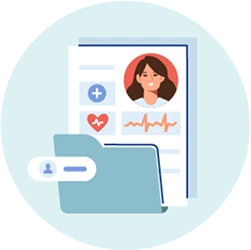
Digital health records solve this problem.
They create a unified view of a patient’s medical history, making it easier for doctors to:
- Track past conditions
- Review previous treatments
- Identify recurring issues
When combined with AI healthcare, these records become even more powerful, enabling faster and more accurate diagnoses.
Personal Health Tracking: Data From Everyday Life
Wearables and health apps have made personal health tracking more accessible than ever.
From step counts to sleep patterns, people are now generating health data daily and often without even thinking about it.
This data provides valuable context.
For example:
- A doctor can see if fatigue is linked to poor sleep
- Changes in activity levels can signal underlying issues
- Stress patterns can be identified over time
By integrating this data into digital health records, doctors gain a deeper understanding of each patient.
Telemedicine as the Bridge
As healthcare becomes more data-driven, accessibility remains crucial.
This is where telemedicine Malaysia plays a key role.
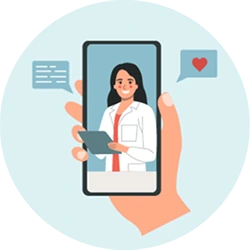
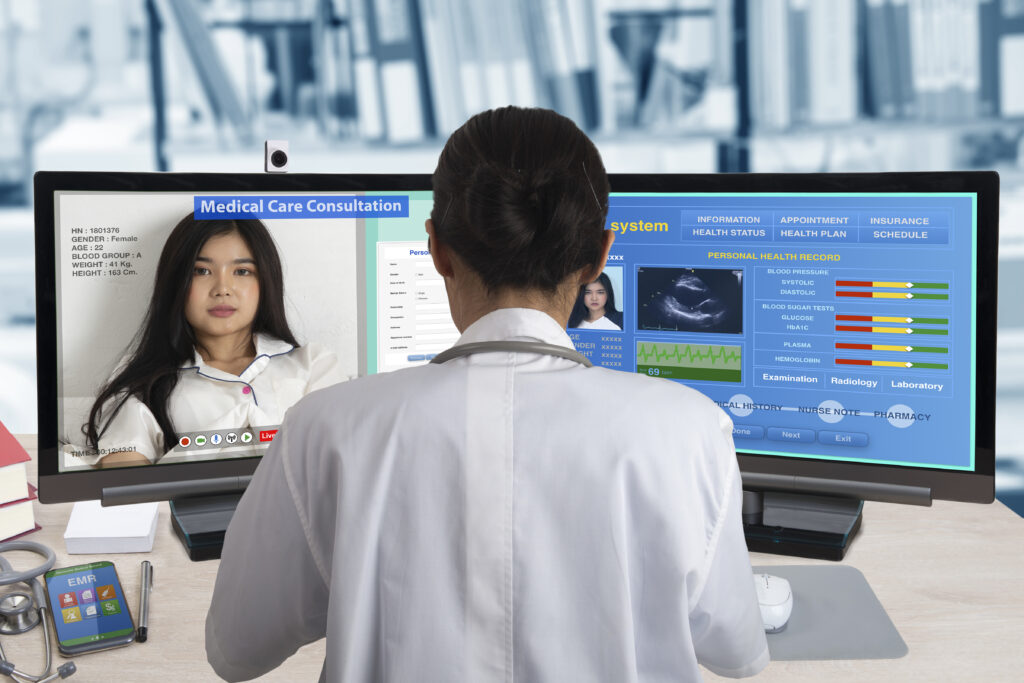
Digital consultations make it easier for patients to share their data and get timely advice. Instead of waiting for in-person appointments, they can connect with doctors quickly and efficiently.
This integration of telemedicine Malaysia with AI healthcare and digital health records creates a seamless experience, one where data and expertise come together.
Smarter, Faster, More Accurate Diagnoses
The combination of data and technology is transforming diagnosis.
With access to comprehensive information, doctors can:
- Detect conditions earlier
- Reduce the risk of misdiagnosis
- Provide more personalised treatment plans
This doesn’t just improve outcomes but it also builds confidence.
Patients feel reassured knowing that decisions are based on more than just a brief conversation.
This is the true promise of AI healthcare.
The Role of Medical Consultation Apps
As digital health continues to evolve, the role of the medical consultation app becomes increasingly important.
These platforms act as the central hub where:
- Patients connect with doctors
- Health data is stored and accessed
- Consultations happen seamlessly
A well-designed medical consultation app integrates personal health tracking, digital health records, and telemedicine Malaysia into one cohesive system.
This simplifies the entire healthcare journey.
How FEV3R Fits Into the Future of Diagnosis
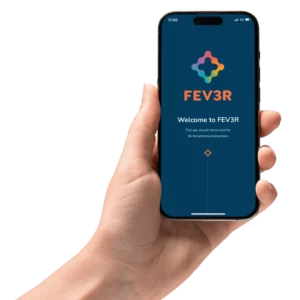
As the healthcare landscape evolves, platforms like FEV3R are helping bring this vision to life.
By combining the convenience of a medical consultation app with the capabilities of telemedicine Malaysia, FEV3R enables users to access care in a smarter, more connected way.
Through integration with digital health records and support for personal health tracking, it allows doctors to make more informed decisions that are aligning with the broader direction of AI healthcare.
For users, this means better clarity, faster support, and a more personalised healthcare experience.
Addressing Concerns Around Data and Privacy
With more data comes more responsibility.
Understandably, some people are concerned about privacy and security.
Modern healthcare technology is addressing these concerns through:
- Secure data encryption
- Controlled access to information
- Transparent data policies
As trust builds, more people are becoming comfortable with sharing their health data, especially when they see the benefits.
The Human Element Still Matters
Despite all these advancements, one thing remains unchanged: the importance of human connection.
Technology can enhance diagnosis, but it cannot replace empathy, understanding, and communication.
Doctors still play a central role in:
- Interpreting data in context
- Providing reassurance
- Building trust with patients
AI healthcare works best when it complements, not replaces, this human element.
A New Era of Healthcare in Malaysia
Malaysia is well-positioned to embrace this transformation.
With growing adoption of telemedicine Malaysia and increasing use of medical consultation apps, the foundation is already in place.
As digital health records and personal health tracking become more integrated, the diagnostic process will continue to improve.
This marks the beginning of a new era, one where healthcare is:
- More connected
- More personalised
- More proactive
Smarter Tools, Better Care
The stethoscope isn’t disappearing but it’s evolving.
In 2026, data is becoming one of the most powerful tools in healthcare. By combining AI healthcare, digital health records, and personal health tracking, doctors can deliver more accurate and timely care.
With the support of telemedicine Malaysia and the growing role of the medical consultation app, this future is already taking shape.
Because at the end of the day, better tools don’t replace great doctors.
They make them even better.