

There’s a quiet rule many founders live by: if you stop, everything stops.
Across Malaysia, SME owners, freelancers, and startup founders are powering the economy. They create jobs, build brands, and chase growth targets. But behind the hustle lies a difficult truth: many are neglecting their own health.
When you are the boss, there is no HR department to approve your sick leave. No colleague to automatically cover your workload. No formal safety net. The question becomes deeply personal: who protects your SME owner health when you are responsible for everyone else?
The Illusion of Being “Indispensable”
Entrepreneurs often believe they must always be available. Client calls, staff management, operations, cash flow; the responsibilities never truly pause.
This pressure fuels founder burnout. Long hours become normalised. Skipped meals feel productive. Delayed doctor visits seem minor compared to business deadlines.
For many navigating self employed healthcare, taking a day off feels irresponsible. There is no paid leave. Illness equals lost revenue.
But this mindset gradually erodes business owner wellbeing. What starts as dedication can quietly turn into chronic stress.
No Sick Leave, No Backup
Employees may receive medical leave benefits. Business owners rarely do.
If you are managing self employed healthcare, you may face difficult trade-offs:
- Attend a client meeting despite a fever.
- Continue working through migraines.
- Ignore persistent fatigue.
- Delay health screenings.
Unlike corporate staff, SME owners must self-regulate their personal healthcare. There is no manager to insist you rest.
This lack of structure increases vulnerability in SME owner health. The more successful the business becomes, the harder it feels to step away.
Founder Burnout Is Often Invisible
Burnout does not always look dramatic. It can show up as:
- Constant irritability
- Brain fog
- Sleep disturbances
- Loss of motivation
- Recurring minor illnesses
Within Malaysia’s entrepreneurial culture, exhaustion is sometimes worn like a badge of honour. But prolonged founder burnout affects decision-making, creativity, and emotional stability.
Ultimately, it impacts business owner wellbeing and therefore the business itself.
Ignoring personal healthcare does not make you resilient. It makes you vulnerable.
The Financial Anxiety Behind Health Neglect
Many SME owners operate with unpredictable income. This uncertainty shapes how they approach self employed healthcare.
Insurance premiums may feel expensive during slower months. Hospital visits may seem like unnecessary costs unless absolutely urgent.
This financial hesitation leads to postponement. Preventive check-ups get delayed. Minor symptoms are self-diagnosed.
Ironically, avoiding early care can result in higher expenses later both financially and operationally.
Protecting SME owner health is not an indulgence. It is risk management.
The Mental Load of Leadership
Beyond physical symptoms, leadership carries emotional weight.
Founders absorb stress from:
- Payroll concerns
- Market competition
- Investor expectations
- Staff performance issues
This ongoing mental pressure increases the risk of founder burnout. Yet many business owners hesitate to seek mental health support.
In conversations about personal healthcare, physical illness is often prioritised over psychological wellbeing. But emotional exhaustion directly affects business owner wellbeing.
When the leader struggles silently, the entire organisation feels the ripple effect.
Why Founders Delay Seeking Help
Several common beliefs shape health neglect among SME owners:
- “It’s just stress.”
- “I’ll rest after this project.”
- “I can’t afford downtime.”
- “It’s not serious enough for a doctor.”
These justifications are common within self employed healthcare culture. The problem is cumulative. Small delays compound over time.
Protecting SME owner health requires shifting from reactive treatment to proactive maintenance.
Redefining Productivity
Many founders equate productivity with constant availability. But sustainable productivity depends on energy, clarity, and resilience.
Strong business owner wellbeing supports:
- Better strategic decisions
- Healthier team culture
- More stable growth
- Clearer communication
When personal healthcare is neglected, performance eventually declines, even if temporarily hidden by adrenaline.
Founders often plan business continuity strategies. They create backup systems for operations. But few create contingency plans for their own health.
Practical Steps to Strengthen SME Owner Health
Improving SME owner health does not require drastic changes. It requires structure.
1. Schedule Preventive Appointments
Block time in your calendar the same way you would schedule a client meeting.
2. Build a Micro-Backup Plan
Delegate at least one operational responsibility to a trusted team member. This reduces pressure during short absences.
3. Monitor Burnout Signals
Track sleep quality, mood, and recurring fatigue. Recognising early founder burnout signs prevents escalation.
4. Set Health Boundaries
Define non-negotiable rest windows weekly. Even partial recovery improves business owner wellbeing.
These measures strengthen personal healthcare consistency.
How Digital Healthcare Supports Self-Employed Professionals
One of the biggest barriers in self employed healthcare is convenience. Long clinic waits and unpredictable scheduling discourage early consultation.
Digital healthcare platforms offer practical solutions. For Malaysian founders managing packed calendars, subscription-based services reduce friction around seeking care.
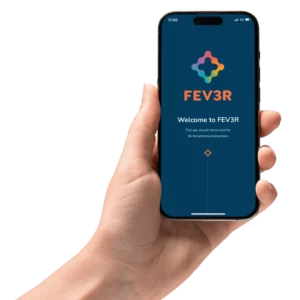
FEV3R, a healthcare subscription app, connects users with licensed doctors conveniently. For SME owners balancing meetings and operations, this structure allows quick consultations without disrupting the workday.
In the context of SME owner health, this accessibility matters. Early medical advice prevents minor issues from becoming major disruptions.
It also supports business owner wellbeing by reducing uncertainty. Instead of ignoring symptoms, founders can clarify concerns promptly.
For those navigating self employed healthcare without traditional corporate benefits, structured access to doctors strengthens preventive habits while maintaining flexibility.
The goal is not to replace insurance but to ensure consistent personal healthcare access that fits entrepreneurial realities.
The Cost of Ignoring Founder Burnout
When founder burnout goes unaddressed, consequences extend beyond health:
- Increased staff turnover
- Poor strategic decisions
- Strained client relationships
- Emotional detachment from the business
Protecting SME owner health protects the organisation’s future.
A business can recover from a delayed email. It struggles to recover from a leader’s prolonged health crisis.
Building a Culture That Includes You
Many founders prioritise employee wellness initiatives: flexible hours, mental health days, team-building activities.
But personal inclusion in that culture is often missing.
True business owner wellbeing means modelling healthy behaviour:
- Taking medical leave when needed
- Encouraging preventive care
- Demonstrating balanced work boundaries
When leaders respect their own personal healthcare, they normalise sustainable habits across the company.
You Are Not a Replaceable Resource
Entrepreneurs often treat themselves like infinite resources: always available, always capable.
But no system operates without maintenance.
Strong SME owner health is foundational. Without it, growth becomes fragile. Stability becomes temporary.
If you are the boss, protecting your health is not selfish. It is strategic.
Because when you remove yourself from the equation through neglect, the business feels it immediately.
A Health Plan Is a Business Strategy
Malaysia’s SME ecosystem is dynamic and ambitious. Founders are bold, creative, and resilient.
But resilience does not mean ignoring warning signs. It means building systems that protect long-term performance.
Strengthening self employed healthcare access, recognising early founder burnout, prioritising personal healthcare, and safeguarding business owner wellbeing are not luxuries.
They are leadership responsibilities.
When you ask, “Who takes care of me?”
The answer should not be silence. It should be a plan.
Because the strongest businesses are built by leaders who understand one critical truth: protecting your SME owner health is protecting your future.