

Annual leave approvals, MC verification, flexible hours, return-to-office policies – these may seem like routine office matters. But behind many of these decisions lies something much deeper: your workplace health. Across Malaysia, HR teams, managers, and employers are increasingly influencing health outcomes, often without medical training.
This quiet shift is reshaping how Malaysians experience healthcare especially in corporate environments. And it raises an important question: when it comes to your health, who should really be making the call?
The Growing Role of Non-Clinical Decision Makers
Traditionally, medical decisions were left to doctors and healthcare professionals. If you were unwell, you saw a doctor. If you needed rest, you received a medical certificate. Simple.
Today, however, many health decisions are indirectly shaped by company policy. HR departments determine sick leave entitlements. Managers assess whether you are “fit” to work from home. Employers decide what insurance plans to offer or not offer.
This expanding HR role and growing employer influence may not be intentional, but it significantly affects work health.
For example:
- An employee may feel pressured to return to work before fully recovering.
- A manager may question the legitimacy of mental health leave.
- HR may limit panel clinic access, narrowing healthcare choices.
None of these individuals are doctors, yet their decisions influence recovery time, stress levels, and long-term wellbeing.
Mental Health: Where Employer Influence Is Most Visible
Mental health conversations in Malaysia have become more open in recent years. However, the practical application within companies often lags behind.
Anxiety, burnout, and depression don’t always present visible symptoms. When employees request time off for emotional exhaustion, managers may struggle to assess the situation fairly. Without medical training, they may unintentionally minimise serious concerns.
This is where employer influence can shape outcomes dramatically. A supportive manager can encourage early intervention. An uninformed one can contribute to delayed treatment.
The problem is not ill intent yet it is the increasing responsibility placed on non-clinical staff to make sensitive health decisions that affect work health.
The Presenteeism Culture in Malaysia
Malaysians are known for being hardworking. Many employees pride themselves on showing up despite feeling unwell. Unfortunately, this “always be available” culture often harms long-term workplace health.
When HR policies indirectly reward attendance over recovery, employees may:
- Work through illness.
- Avoid seeking medical advice.
- Downplay symptoms to avoid looking weak.
Over time, this affects productivity, morale, and overall work health.
The irony? What appears to be commitment may actually worsen health outcomes and increase medical costs for employers later.
Insurance Panels and Limited Access
Another area where employer influence becomes clear is medical benefits. Many Malaysian companies offer panel clinics or limited healthcare subscriptions tied to corporate plans.
While this may control costs, it can also restrict employee choice. If the nearest panel clinic has long waiting times or limited services, employees might delay seeking care.
These limitations impact health decisions. Instead of choosing care based on need, employees choose based on convenience or coverage.
True workplace health should empower employees with access, not restrict it.
Managers as Gatekeepers of Recovery
A manager’s attitude can determine whether an employee feels safe taking time off. Even small comments like “Are you sure you need another day?” can create guilt.
This expanding HR role and managerial oversight in medical matters often places non-clinical individuals in uncomfortable positions. They must balance team performance with employee wellbeing.
Without proper health literacy training, this dynamic can unintentionally compromise work health.
Employers may believe they are maintaining efficiency, but they could be encouraging delayed recovery.
Remote Work and Blurred Boundaries
Hybrid and remote work arrangements have added another layer to workplace health.
If you are working from home, are you “really sick”? Should you still attend meetings if you have a fever? Can you log in briefly despite a migraine?
These grey areas increase the number of non-clinical health decisions managers must interpret. And because expectations are often unclear, employees may overextend themselves.
Protecting work health now requires clearer boundaries and easier access to professional medical advice not guesswork.
Why Medical Authority Should Stay With Medical Professionals
Health is complex. Symptoms overlap. Stress can manifest physically. Minor issues can escalate.
When HR or employers indirectly influence diagnosis, treatment timing, or leave duration, they are navigating areas beyond their training. The HR role is vital for policy and support — but not for medical judgement.
To strengthen workplace health, companies need systems that:
- Encourage early medical consultation.
- Remove stigma around mental health leave.
- Separate business decisions from clinical ones.
Employees should not feel that their recovery depends on managerial approval.
How FEV3R Supports Smarter Health Decisions
This is where FEV3R plays an important role in Malaysia’s evolving healthcare landscape.
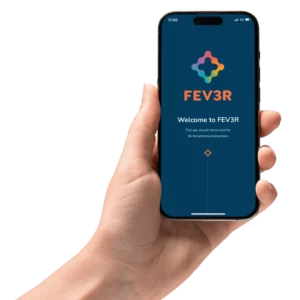
FEV3R is a healthcare subscription app that provides Malaysians with convenient access to licensed medical professionals. Instead of relying solely on workplace panels or waiting for physical appointments, employees can consult doctors through the platform quickly and discreetly.
In the context of shifting workplace health, FEV3R helps restore balance. When employees have direct medical access, they no longer depend entirely on HR interpretations or managerial assumptions. A doctor determines whether rest is needed, whether medication is required, or whether symptoms need further evaluation.
This reduces unnecessary tension between employer expectations and employee wellbeing. It strengthens work health by putting medical authority back in the hands of professionals.
For companies, this also reduces the burden on the HR role. Instead of acting as informal health advisors, HR teams can refer employees to proper medical channels through accessible healthcare subscriptions.
The result? More accurate health decisions, faster intervention, and improved overall workplace health.
The Legal and Ethical Perspective
Malaysian labour laws outline minimum sick leave entitlements, but policies vary across organisations. While employers have the right to manage operations, they also carry a responsibility to ensure safe and supportive working environments.
Encouraging transparent medical access is not just compassionate, it is practical. Healthier employees perform better. Reduced absenteeism comes from effective treatment, not pressure.
A balanced approach recognises the limits of employer influence in clinical matters.
The Future of Workplace Health in Malaysia
As healthcare costs rise and employee expectations evolve, the way companies manage workplace health must adapt.
Forward-thinking employers are:
- Investing in preventive care.
- Supporting mental health resources.
- Offering flexible healthcare subscriptions.
- Encouraging early medical consultation.
The goal is not to remove the HR role, but to redefine it. HR should facilitate access, not determine outcomes. Managers should support recovery, not assess symptoms.
With digital healthcare platforms like FEV3R, Malaysia is well-positioned to reduce friction between business needs and personal wellbeing.
What Employees Can Do
While systemic change takes time, employees also have agency.
To protect your work health:
- Seek professional medical advice early.
- Document symptoms clearly.
- Understand your company’s leave policies.
- Avoid self-diagnosing under pressure.
Access to healthcare should not feel like a privilege dependent on office culture. It should be straightforward and professional.
When you prioritise proper medical consultation, you ensure that your health decisions are guided by expertise not assumption.
A Healthier Workplace Starts With Clear Boundaries
Malaysia’s workforce is ambitious, resilient, and hardworking. But sustainable productivity depends on strong workplace health systems.
As HR departments expand their responsibilities and employers shape benefit structures, the influence over employee wellbeing becomes more significant. Without careful boundaries, well-meaning policies can blur into clinical territory.
Restoring clarity requires collaboration:
- Employers provide supportive structures.
- HR facilitates access.
- Medical professionals make clinical decisions.
- Employees seek help early.
That balance protects work health for everyone.
Ultimately, your health should not depend on how persuasive you are with your manager. It should depend on proper medical guidance.
The rise of non-clinical health decisions in Malaysian workplaces is a reality but it does not have to compromise wellbeing. With the right systems, the right tools, and accessible healthcare solutions like FEV3R, Malaysians can take back control of their health while still thriving at work.
Because when it comes to your body and mind, the final decision should always belong to a qualified professional not a performance review.