

Mental wellbeing at work is no longer just an HR initiative or a “nice to have” benefit. In Malaysia, employers are now expected to take psychosocial risks in the workplace more seriously under updated occupational safety and health expectations. For many organisations, especially those managing hybrid and remote teams, this shift changes how companies approach workplace culture Malaysia wide.
Stress, burnout, workplace bullying, isolation, excessive workloads, and poor work-life boundaries are increasingly being recognised as workplace risks that can affect both employee health and business performance. Malaysian employers are beginning to realise that productivity cannot improve if employees are mentally exhausted or disengaged.
The challenge is that many businesses still do not know what practical compliance looks like.
It is not enough to simply offer annual wellness talks or occasional team-building activities. Employers now need systems, policies, and accessible support structures that actively protect employee wellbeing. This is where digital health adoption becomes increasingly important for companies navigating modern workforce expectations.
Why Psychosocial Risks Matter More Than Ever
Psychosocial risks refer to aspects of work that may negatively affect a person’s mental health, emotional wellbeing, or psychological safety. These can include:
- Unrealistic deadlines
- Long working hours
- Lack of managerial support
- Toxic communication
- Workplace harassment
- Job insecurity
- Isolation from remote work
- Poor work-life balance
In Malaysia, conversations around mental health have become more open over the past few years. Employees are increasingly prioritising workplaces that support wellbeing, flexibility, and emotional safety. This shift is especially visible among younger professionals and remote workers who value healthier working environments.
A strong workplace culture Malaysia employers build today directly impacts retention, morale, and recruitment success tomorrow.
Companies that ignore these issues may face higher turnover, disengaged employees, increased absenteeism, and difficulty attracting talent in competitive industries.
The Rise of Employer Responsibility in Malaysia
Malaysian organisations are entering a new era where employee wellbeing is becoming part of operational responsibility rather than just employee perks.
While physical workplace safety has long been a focus, psychosocial wellbeing is now receiving greater attention across industries. Employers are expected to identify workplace risks that could impact mental health and take reasonable steps to reduce them.
This becomes more complicated in hybrid and flexible work environments.
Remote employees may appear productive on paper while silently struggling with burnout, anxiety, or disconnection. Managers may not notice early warning signs because communication happens mainly through screens and messaging apps.
As a result, businesses need practical tools that allow employees to access support quickly and comfortably without unnecessary barriers.
This is one reason digital benefits are becoming more valuable for modern organisations.
Why Traditional Employee Wellness Programmes Are No Longer Enough
Many companies already offer some form of wellness support. However, employees often do not fully utilise these programmes because they are inconvenient, difficult to access, or feel disconnected from daily life.
For example, some traditional wellness initiatives may involve:
- One-off mental health talks
- Limited clinic panel access
- Complicated claim systems
- Long appointment waiting times
- Physical-only healthcare access
- Generic wellness campaigns
These approaches may not provide timely help when employees actually need support.
Today’s workforce expects convenience, speed, flexibility, and privacy. Employees want healthcare access that fits naturally into their routines, especially when managing busy schedules or remote working arrangements.
This is where digital health adoption can make a real difference in supporting employee wellbeing consistently.
How Digital Healthcare Supports Modern Workforce Needs
Digital healthcare platforms help bridge the gap between employers and accessible health support. Instead of waiting until issues escalate, employees can seek medical advice, mental health support, or healthcare guidance earlier and more conveniently.
This accessibility matters because many employees delay getting help due to:
- Time constraints
- Long travel times
- Busy clinic schedules
- Concerns about stigma
- Difficulty taking leave
- Cost concerns
For remote workers or employees who travel frequently, these barriers become even more significant.
Accessible healthcare solutions support healthier teams by making it easier for employees to take action before stress or health concerns worsen.
This growing reliance on digital health adoption is reshaping how organisations approach employee care in Malaysia.
Building a Stronger Workplace Culture Malaysia Employees Actually Want
Employees today are not just evaluating salaries when choosing where to work. They are also looking closely at company values, leadership support, flexibility, and wellbeing initiatives.
A healthy workplace culture Malaysia companies build should make employees feel:
- Supported
- Respected
- Safe to communicate
- Comfortable seeking help
- Trusted in flexible work arrangements
- Valued beyond productivity metrics
When organisations ignore employee wellbeing, it often affects morale across entire teams. Over time, this can lead to reduced collaboration, poor engagement, and workplace tension.
On the other hand, companies that actively support wellbeing often create stronger loyalty and healthier working relationships.
Employees are more likely to stay engaged when they know their employer genuinely cares about their wellbeing beyond deadlines and KPIs.
The Role of Managers in Psychosocial Risk Prevention
Managers play a major role in shaping day-to-day employee experiences.
Even with strong company policies, poor communication or unrealistic expectations from leadership can still create unhealthy work environments.
Managers should be encouraged to:
- Check in regularly with employees
- Encourage healthy work boundaries
- Recognise signs of burnout
- Promote open communication
- Respect personal time
- Support flexibility where possible
However, managers cannot solve every issue alone. Organisations also need systems that provide employees with direct access to healthcare support whenever needed.
This combination of supportive leadership and accessible care creates a healthier and more sustainable workplace culture Malaysia businesses can benefit from long term.
How FEV3R Supports Employers as a Compliance Partner
As Malaysian companies adapt to changing workplace expectations, healthcare accessibility is becoming an important part of employee support strategies.
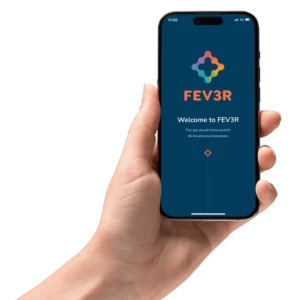
FEV3R helps employers strengthen employee wellbeing through a digital healthcare subscription platform designed for modern lifestyles and flexible working arrangements.
For businesses managing remote, hybrid, or fast-paced teams, FEV3R offers employees convenient healthcare access directly through their devices. Instead of struggling to book appointments or delaying treatment, employees can connect with healthcare support more easily and efficiently.
This type of accessibility supports healthier work habits while helping employers reinforce stronger wellbeing initiatives across teams.
More importantly, solutions like FEV3R align closely with growing digital health adoption trends in Malaysia by making healthcare support more integrated into everyday employee life.
For organisations investing in digital benefits, platforms like FEV3R can also improve overall employee engagement because employees are more likely to appreciate benefits they can actually use regularly and conveniently.
Why Accessibility Matters for Remote and Hybrid Workers
Flexible work arrangements have changed how employees interact with healthcare.
In traditional office settings, employees may have relied on nearby clinics or physical healthcare panels. However, remote workers may now work from home, coworking spaces, cafes, or even different states.
This creates new challenges when accessing healthcare support quickly.
Digital healthcare solutions reduce friction by allowing employees to seek help without needing to rearrange entire schedules. Whether someone is managing stress, feeling unwell, or simply seeking medical advice, easier access encourages earlier intervention.
This is particularly important when supporting workers health across distributed teams.
Employees who can access healthcare conveniently are often better able to maintain productivity, energy levels, and overall wellbeing.
Employee Engagement Starts With Feeling Supported
Many organisations focus heavily on performance metrics while overlooking the emotional experience of employees.
But employee engagement is closely connected to whether employees feel supported, heard, and cared for at work.
Employees are more engaged when they feel:
- Their wellbeing matters
- Leadership listens to concerns
- Healthcare support is accessible
- Flexibility is respected
- Work expectations are realistic
Strong engagement does not happen through motivational posters or occasional perks alone. It comes from building systems that genuinely support employees in their day-to-day lives.
This is why meaningful digital benefits can positively influence workplace satisfaction and retention.
Preparing Your Company for the Future of Work
The future of work in Malaysia will continue evolving alongside employee expectations, technology, and workplace regulations.
Businesses that adapt early may be better positioned to:
- Attract stronger talent
- Improve retention
- Build healthier workplace environments
- Strengthen employer branding
- Support long-term productivity
- Reduce burnout risks
Creating a healthier workplace culture Malaysia organisations can sustain requires more than surface-level wellness campaigns. It involves creating environments where employees can access support easily and feel psychologically safe while doing their jobs.
Digital healthcare platforms are becoming part of that larger ecosystem.
Compliance Is Not Just About Avoiding Risk
Many employers approach workplace wellbeing from a compliance perspective first. While compliance matters, the bigger opportunity lies in creating workplaces where employees can genuinely thrive.
Healthier employees often contribute to:
- Better teamwork
- Stronger communication
- Improved morale
- Greater innovation
- Higher retention
When businesses invest in accessible healthcare support and thoughtful digital benefits, employees often notice the difference.
As digital health adoption continues growing across Malaysia, companies that prioritise employee wellbeing now may be better prepared for the future demands of modern work.
The reality is simple. Employees remember how workplaces made them feel.
And in a competitive hiring landscape, a supportive and healthy workplace culture Malaysia businesses create today could become one of their strongest long-term advantages.