

It is renewal season, and HR has been reviewing a quote that includes a double-digit premium increase, even though outpatient panel usage has remained flat over the past year. There is often little explanation for why costs are rising while usage is not. This pattern is becoming more common across Malaysia: employee healthcare benefits are getting more expensive for SMEs at exactly the moment usage is levelling off.
Why Employee Healthcare Benefits Cost More This Year
Malaysia’s medical inflation is projected to climb from 15% in 2025 to 16% in 2026, among the highest rates in the region. A separate survey found that 68% of employers expected a significant jump in medical costs for 2026.
Large corporations can absorb that increase through scale and negotiating power. SMEs, running on thinner margins with shared plans, feel every point of that increase directly in their bottom line, often with far less room to negotiate terms with an insurer than a listed company would.
The Risk of Cutting Benefits
For many employees, medical coverage is one of the more visible reasons to stay with an employer rather than move on. Cutting benefits to manage costs can push good people to start looking elsewhere, especially when the hiring market is tight. Replacing an employee who resigns is rarely cheap, in time, recruitment costs, and lost productivity while the role sits open.
The Limitations of Panel Clinics
Panel clinics are often inconveniently located and open only during office hours. Many also require a referral letter, which adds more admin time than the visit itself. Employees end up avoiding the panel entirely and either self-medicate or pay out of pocket at a clinic near home. The benefit exists on paper, but the behaviour it was meant to support never really happens. By renewal time, HR is left justifying a spend that does not reflect what employees actually experienced.
How Unlimited Access Changes Behaviour
A fixed panel only gets used once someone is already sick enough to take time off. Unlimited access changes that behaviour. When there is no cost per visit and no admin barrier, employees consult earlier, catch minor issues before they escalate, and take fewer of the drawn-out absences that cost small teams the most productivity.
That shift matters more for a small team than a large one. A ten-person company loses a much bigger share of its output when one person is out for four days than a thousand-person company does, which is why catching things early is a bigger lever for SMEs than it looks on paper.
Steps to Take Before Your Next Renewal Meeting
Pull last year’s actual panel usage figures, not the insurer’s industry-wide claims slide, and bring them to the renewal conversation.
Calculate the total monthly cost of a flat subscription across your headcount. Then compare it to the panel’s actual monthly cost, based on real employee usage rather than the insurer’s projected figures.
Ask whether coverage can be extended to part-time and contract staff who are usually excluded from panel eligibility.
Survey staff informally on how often they used the panel last year, since that number is rarely the one in the insurer’s pitch.
What a Flat Subscription Changes
Moving away from a fixed panel changes the shape of the benefit itself, not just the number on the invoice. The cost becomes predictable: one fixed monthly fee per employee, with no year-end premium surprises. Coverage stops being tiered, so every employee gets the same access, rather than only employees on a higher benefit level getting full access. Admin overhead drops, since there are no claims forms or reimbursement paperwork for HR to manage. And care tends to happen earlier, because unlimited visits remove the cost hesitation that makes employees put off seeing a doctor until symptoms worsen.
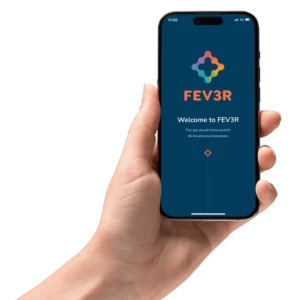
A flat, predictable subscription like FEV3R is built around this shift: unlimited 24/7 doctor access for RM24 a month, with no separate claims process for HR to oversee. Corporate plans also include services not available to individual subscribers, such as physical assessments, giving HR an additional way to support employee health beyond virtual consultations.
The Real Cost Comparison
A benefit that goes unused delivers little practical value beyond its presence in the policy. The objective was never to reduce spending on employee health, but to allocate it toward something employees genuinely use. Before signing off on another premium increase, it is worth comparing how the current policy is actually used against how a predictable, everyday subscription is likely to be used.
The businesses making this shift early are not necessarily those with the largest HR budgets. Often, it is leaner SMEs that move first, since they feel every premium increase more directly and cannot justify a benefit that sits unused.
If a renewal is approaching, HR should review actual panel usage, weigh it against a flat monthly cost per employee, and base the decision on those figures rather than the insurer’s projections, before signing off on an increase. Doing this early leaves more room to negotiate or switch providers before the next premium increase takes effect.
Frequently Asked Questions
Q1. How is FEV3R different from group medical insurance?
FEV3R is a flat monthly subscription for unlimited doctor access and medication delivery, rather than a claims-based insurance policy with panel restrictions and annual premium reviews.
Q2. Can we offer FEV3R to part-time or contract staff?
Yes. Because it is a simple subscription rather than an insurance policy with eligibility tiers, it can be extended to part-time, contract, or probationary staff who often miss out on standard medical benefits.
Q3. What happens if an employee needs specialist or hospital care?
FEV3R’s corporate coverage includes additional services, such as physical assessments, to support employees’ broader healthcare needs, though it is not designed to replace hospital or specialist coverage. Many SMEs pair it with a smaller hospitalisation plan for more serious cases.