

A message arrives after office hours.
A colleague asks a quick question during dinner.
An email notification appears just before bedtime.
For many Malaysians, these situations have become a normal part of working life. Technology has made communication faster and more convenient, allowing employees to stay connected from virtually anywhere. While this connectivity has brought many benefits, it has also created a new challenge.
Many workers now feel pressure to remain available long after the workday officially ends.
The expectation is not always stated directly. Sometimes it comes from company norms, team dynamics, leadership behaviour, or personal concerns about appearing committed and responsive. Over time, this constant state of availability can influence how people rest, recover, and take care of their health.
As conversations around workplace culture in Malaysia continue to evolve, more attention is being given to the hidden impact of being “always on” and how it may be shaping long-term wellbeing.
What Does “Always Available” Really Mean?
Being always available does not necessarily mean working around the clock.
Instead, it often involves remaining mentally connected to work even during personal time.
Examples include:
- Checking work emails late at night
- Responding to messages during weekends
- Monitoring notifications while on leave
- Feeling unable to disconnect after work
- Thinking about work issues during personal time
- Keeping devices nearby in case something urgent arises
Individually, these actions may seem harmless.
However, when they become part of daily routines, they can gradually affect recovery, sleep quality, and overall workplace health Malaysia.
The Rise of Micro-Stress
When people think about stress, they often imagine major deadlines, difficult projects, or significant workplace conflicts.
Yet many health experts also recognise the impact of smaller, recurring stressors.
These are sometimes referred to as micro-stressors.
Examples may include:
- Constant notifications
- Unexpected requests outside work hours
- Frequent interruptions
- Pressure to reply immediately
- Ongoing concerns about workload
- Difficulty switching off mentally
Unlike major stressful events, micro-stress can be subtle and easy to overlook.
The problem is that repeated exposure can create a persistent sense of tension. Even when employees are technically resting, their minds may remain partially focused on work-related concerns.
This ongoing pressure is becoming an increasingly important topic in discussions surrounding employee wellbeing Malaysia.
Why Recovery Matters More Than People Realise
Many employees understand the importance of productivity, but recovery often receives less attention.
Recovery is not simply about taking time off. It involves allowing the body and mind to return to a balanced state after periods of effort and stress.
When recovery is interrupted by constant connectivity, people may experience:
- Mental fatigue
- Reduced concentration
- Lower energy levels
- Increased irritability
- Difficulty relaxing
- Reduced motivation
Without adequate recovery, stress can accumulate over time.
This is one reason why improving workplace health Malaysia requires more than encouraging employees to work harder. It also involves creating conditions that support proper rest and recovery.
Sleep Is Often the First Casualty
One of the most common consequences of an always-available work culture is disrupted sleep.
Many professionals check messages shortly before bed or continue thinking about work after logging off for the day.
This can make it harder to fully relax and transition into sleep.
Poor sleep quality may affect:
- Mood
- Focus
- Decision-making
- Productivity
- Physical health
- Stress management
The relationship between work and sleep is becoming increasingly relevant as organisations examine the broader impact of workplace culture Malaysia on employee wellbeing.
When sleep suffers, many other aspects of health may be affected as well.
The Blurred Line Between Work and Personal Life
Technology has given employees greater flexibility than ever before.
At the same time, it has blurred the boundaries between work and personal life.
For some individuals, this flexibility is empowering. For others, it creates uncertainty about when work truly ends.
Employees may find themselves:
- Answering messages during family time
- Checking emails while travelling
- Working during periods intended for rest
- Feeling guilty when disconnected
Over time, these habits can contribute to a sense that work is constantly present, even outside official working hours.
This challenge has become a growing concern within discussions about employee wellbeing Malaysia and healthy workplace practices.
When Stress Becomes Normalised
One of the biggest risks associated with perpetual availability is that employees may begin viewing stress as normal.
If everyone around them is constantly connected, responding immediately, and working beyond standard hours, these behaviours can become accepted as part of professional life.
The danger is that chronic stress often develops gradually.
People may adapt to feeling tired, mentally drained, or overwhelmed without recognising that their wellbeing is being affected.
This normalisation of stress can make it harder for individuals to identify when they need support or intervention.
As awareness of burnout Malaysia continues to grow, organisations are increasingly recognising the importance of addressing these patterns before they become deeply embedded in workplace culture.
How Constant Availability Influences Healthcare Behaviour
An often-overlooked consequence of always being available is its impact on healthcare-seeking behaviour.
Busy employees may delay:
- Medical consultations
- Health screenings
- Follow-up appointments
- Mental health support
- Routine health checks
Work obligations can feel more urgent than preventive healthcare, particularly when employees are already managing demanding schedules.
Unfortunately, postponing healthcare can allow manageable concerns to become more complicated over time.
Supporting workers’ health means encouraging individuals to prioritise their wellbeing before problems become more serious.
The Link Between Burnout and Long-Term Wellbeing
Burnout is not simply feeling tired after a busy week.
It is generally associated with prolonged workplace stress that has not been effectively managed.
Common signs may include:
- Emotional exhaustion
- Reduced motivation
- Cynicism toward work
- Difficulty concentrating
- Feeling overwhelmed by routine tasks
Conversations around burnout Malaysia have become increasingly relevant as employees navigate evolving workplace expectations and digital connectivity.
While burnout affects people differently, preventing it often requires addressing underlying workplace habits rather than focusing solely on individual resilience.
Why Workplace Culture Matters
The responsibility for managing workplace stress should not fall entirely on employees.
Organisational culture plays a significant role in shaping workplace behaviours.
Leadership teams help establish expectations regarding communication, availability, and work-life balance.
A healthy workplace culture Malaysia may include:
- Respect for personal time
- Clear communication expectations
- Realistic workloads
- Supportive leadership
- Encouragement to take leave
- Access to wellbeing resources
When organisations prioritise these practices, employees are often better equipped to maintain healthier boundaries and recovery habits.
The Business Case for Employee Wellbeing
Supporting employee health is not only beneficial for workers. It can also benefit organisations.
Employees who are well-rested and supported may be more likely to:
- Remain engaged
- Maintain productivity
- Collaborate effectively
- Stay with the organisation longer
- Contribute positively to workplace culture
Investing in employee wellbeing Malaysia is increasingly viewed as a strategic business decision rather than simply an employee benefit.
As expectations evolve, organisations that actively support wellbeing may be better positioned to attract and retain talent.
How Digital Healthcare Can Support Busy Employees
One challenge many employees face is finding time to access healthcare.
Busy schedules can make it difficult to arrange appointments, travel to clinics, or prioritise routine consultations.
This is where digital healthcare solutions are becoming increasingly valuable.
By making healthcare more accessible and convenient, digital healthcare services can help employees seek medical advice without disrupting their work and personal commitments.
For individuals experiencing stress-related concerns, sleep issues, or other health challenges, easier access to healthcare support may encourage earlier intervention.
Supporting workers’ health requires making healthcare fit more naturally into modern lifestyles.
How FEV3R Helps Employees Prioritise Their Health
As workplace demands continue to evolve, accessible healthcare is becoming an important part of employee wellbeing strategies.
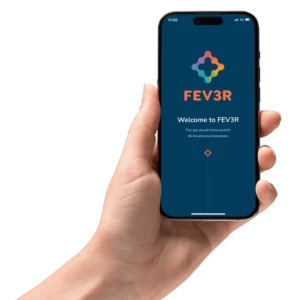
FEV3R helps address this need through a healthcare subscription model designed around convenience and accessibility.
Rather than postponing healthcare due to time constraints, users can access healthcare support through a digital-first approach that fits into their daily routines. This can make it easier to seek advice for stress-related concerns, monitor ongoing health needs, and take a more proactive approach to wellbeing.
By helping users access healthcare more conveniently, FEV3R supports healthier habits while aligning with the growing focus on employee wellbeing Malaysia and workplace health Malaysia.
Creating Healthier Boundaries in a Connected World
Technology is unlikely to become less important in the workplace.
However, organisations and employees can work together to establish healthier boundaries around availability and communication.
Practical approaches may include:
- Defining communication expectations
- Encouraging employees to disconnect after work
- Respecting annual leave and rest periods
- Promoting recovery and wellbeing initiatives
- Providing access to healthcare support
Small changes can have a meaningful impact when consistently applied.
The goal is not to eliminate flexibility or responsiveness but to ensure that connectivity does not come at the expense of health.
A Better Work Culture
The rise of the always-available work culture is quietly influencing how many Malaysians sleep, recover, manage stress, and engage with healthcare.
What often begins as occasional after-hours communication can gradually evolve into a pattern of constant connectivity that affects overall wellbeing.
As awareness of burnout Malaysia continues to increase, organisations are recognising that sustainable performance depends on more than productivity alone. Supporting workers health, strengthening employee wellbeing Malaysia, and fostering a healthier workplace culture Malaysia are becoming essential priorities.
By creating environments that respect recovery, encourage healthy boundaries, and support proactive healthcare habits, employers and employees can work together to build a healthier future for the modern workforce.