

Your colleague went for a routine health screening. No pain, nothing unusual, nothing to worry about. The ultrasound report came back with two words they had not expected: fatty liver. They are 29, they do not drink alcohol, and they had no idea anything was building inside.
This is not an isolated story anymore.
Why Fatty Liver Is No Longer Just an Older Person’s Problem
Fatty liver disease, now more precisely known as metabolic dysfunction-associated fatty liver disease (MAFLD), happens when excess fat builds up inside the liver. For decades, it was associated with heavy drinking or middle age. That association has shifted considerably.
A 2023 nationwide study by Malaysia’s Institute for Public Health found that approximately 28.2% of Malaysian adults have MAFLD. The condition is closely tied to abdominal obesity, high blood sugar, elevated liver enzymes, and a diet high in processed foods and sugar. All of these factors are increasingly common among Malaysians in their 20s and 30s.
The most important thing to understand is that the liver has no pain receptors. In the early and moderate stages, fatty liver does not hurt. There is no signal. Most people only discover it through a routine blood test that flags elevated enzymes or an ultrasound done for an entirely different reason. By the time fatigue, mild discomfort, or swelling appear, the condition has typically progressed further than it needed to.
The combination of processed food culture, desk-bound work, daily high-sugar drink consumption, and irregular sleep is creating the conditions for liver fat to accumulate earlier in life than previous generations ever experienced.
What You Can Start Doing Right Now
Ask for liver enzymes at your next blood draw. ALT and AST levels are a simple, inexpensive snapshot of how your liver is managing. If either reading is elevated, an ultrasound is the next step and something worth discussing with a doctor now rather than waiting for your next annual screening.
Cut back on high-sugar drinks before any other dietary change. Fructose from drinks like large Milo ais, packaged fruit juices, barley water from mamak stalls, and regular teh tarik is processed directly in the liver and is one of the primary drivers of liver fat accumulation. This is one of the most practical changes you can make this week.
Add daily movement even if it is modest. Thirty minutes of brisk walking five days a week reduces liver fat independent of weight loss. If your work is desk-bound, short movement breaks throughout the day still count toward your liver health over time.
How FEV3R Supports You Between Screenings
Getting a blood test done is one thing. Understanding what “mildly elevated ALT” or “borderline” actually means for your daily life is another entirely. Many Malaysians receive their screening report, see phrases like those, and have no one to properly explain them until the next appointment months away.
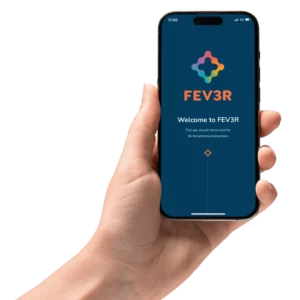
A FEV3R doctor is available any time of day for RM24 a month. You can share your results, ask what they mean for your lifestyle specifically, and get a clear, practical plan without leaving home. Medication, if needed, is delivered to your door for free. Because you have continuity of care, your FEV3R doctor tracks your progress over time rather than treating you as a single isolated visit.
Fatty liver is largely reversible in its early stages. The window is open right now. Acting today is genuinely different from acting in six months.
Pay Attention Before the Report Does It for You
You do not need to wait for a screening to accidentally surface this. Talk to a doctor now, understand your actual risk, and take the steps that keep your liver working quietly in the background, exactly where it belongs.
[Speak to a FEV3R doctor today. RM24/month, unlimited access, no queues.]
Frequently Asked Questions
Q1. Can fatty liver actually be reversed?
In its early stages, yes. Reducing sugar intake, increasing physical activity, and managing blood sugar and cholesterol levels can significantly reduce liver fat. A FEV3R doctor can help you track your progress consistently.
Q2. Do I need an ultrasound to find out if I have fatty liver?
Not necessarily as a first step. Elevated ALT or AST in a blood test can flag a potential issue. An ultrasound then provides confirmation. A FEV3R doctor can advise whether further investigation is needed based on your results and risk profile.
Q3. Does fatty liver only happen in people who drink alcohol?
No. MAFLD is driven primarily by diet, metabolic factors, and genetics. Many young Malaysians diagnosed with it do not drink at all. A high-sugar, high-processed-food diet with limited activity is the main driver in this group.