

Many companies today proudly introduce new digital wellness platforms as part of their employee benefits package.
The intention is good. Employers want to improve workplace wellness, support mental health, and provide tools that help employees manage their wellbeing.
Yet months later, HR teams often notice a surprising pattern.
The platform that seemed so promising during the launch is barely being used.
Login numbers are low. Features remain untouched. Some employees do not even remember the app exists.
This situation raises an uncomfortable question for many organisations: if the company invested in the platform to improve employee engagement, why are employees ignoring it?
The answer often lies in a growing issue across modern workplaces: digital fatigue.
When Too Much Technology Becomes the Problem
In the past decade, workplaces have rapidly adopted digital tools for nearly every function.
Communication apps, project management platforms, HR systems, expense trackers, and productivity dashboards are now part of everyday work.
While these tools improve efficiency, they also contribute to a growing sense of digital overload.
Employees may already be juggling multiple platforms just to complete daily tasks. When yet another app is introduced even if it focuses on workplace wellness, it can feel like one tool too many.
This challenge is becoming a common discussion point in HR technology trends. Many experts now recognise that simply adding more platforms does not automatically improve employee engagement.
In fact, overly complicated systems may discourage employees from using them at all.
Why Wellness Apps Often Fail
Wellness platforms are often designed with dozens of features.
They may include fitness tracking, meditation exercises, mental health resources, health assessments, nutrition guides, and lifestyle challenges.
While these features are meant to offer comprehensive support, they can unintentionally create friction for users.
For a busy employee, the question is simple: is this worth my time?
If using the platform requires lengthy onboarding, complicated navigation, or multiple steps before accessing a benefit, many people simply stop using it.
This is why digital health adoption is not only about offering tools. It is about making those tools easy and practical to use.
When digital healthcare feels complicated, employees often revert to traditional habits instead of engaging with the platform.
The Gap Between HR Strategy and Employee Behaviour
From an HR perspective, wellness platforms appear valuable.
They demonstrate a company’s commitment to employee wellbeing and align with modern HR technology trends.
But employees evaluate benefits very differently.
They are less concerned about how many features a platform offers. Instead, they ask one basic question: does this make my life easier?
For many workers, especially younger professionals, convenience is everything.
If an app requires too much effort to understand or navigate, it becomes another task on their already busy list.
This disconnect explains why some organisations struggle with employee engagement even after investing heavily in wellness technology.
The Rise of Digital Fatigue
Digital fatigue refers to the mental exhaustion caused by interacting with too many digital platforms.
Employees today often manage a combination of workplace software, messaging apps, social media platforms, and personal digital tools.
By the time a wellness platform enters the picture, many employees feel overwhelmed by the number of digital systems they must manage.
As a result, engagement drops.
Ironically, the platforms meant to support workplace wellness may end up contributing to digital stress if they are not designed with simplicity in mind.
This is why conversations around digital health adoption are shifting. Instead of focusing on feature-rich platforms, organisations are beginning to prioritise usability and practicality.
What Employees Actually Want From Digital Health Tools
When it comes to healthcare access, most employees do not want complicated systems.
They want quick solutions.
If they are feeling unwell, they want to speak to a doctor without navigating multiple menus. If they need medical advice, they want a simple way to access it.
In other words, employees value utility.
The most successful digital health tools often focus on one primary goal: making healthcare access faster and easier.
This “utility-first” approach is gaining traction in modern HR technology trends.
Rather than offering dozens of features, the platform prioritises the one function employees truly need.
This focus can significantly improve employee engagement and encourage stronger digital health adoption.
Why Simplicity Drives Higher Adoption
One of the key lessons from successful digital products is that simplicity drives usage.
Employees are far more likely to adopt a platform if it solves a problem quickly.
For example, if someone feels unwell during a workday, they want immediate solutions.
They do not want to complete surveys, explore educational modules, or navigate multiple pages before accessing care.
Platforms that prioritise convenience support stronger workplace wellness outcomes because employees actually use them.
This simplicity also reduces friction in digital health adoption, allowing healthcare support to become part of everyday routines rather than an extra task.
How FEV3R Focuses on Practical Healthcare Access
As companies reassess how they approach employee healthcare benefits, many are shifting toward simpler solutions that prioritise accessibility.
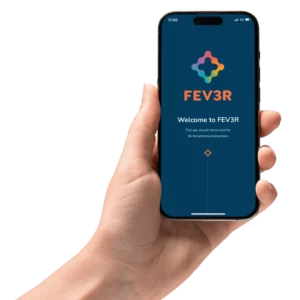
FEV3R focuses on providing convenient healthcare access through a digital platform that allows users to consult doctors quickly. Instead of overwhelming users with multiple complex features, the platform emphasises practical healthcare support.
For employees who need medical advice, a consultation, or guidance on health concerns, the ability to access a doctor quickly can encourage stronger digital health adoption. This approach also helps organisations improve employee engagement by offering a benefit employees can easily understand and use.
By focusing on practical healthcare access, solutions like FEV3R align with evolving HR technology trends that emphasise usability, simplicity, and meaningful workplace wellness support.
Rethinking Wellness Technology
For many organisations, the lesson is becoming clear.
The success of wellness technology is not determined by the number of features it offers.
Instead, success depends on whether employees actually use the platform.
Companies that prioritise usability often see stronger employee engagement because employees feel that the benefits are genuinely helpful rather than complicated.
This shift is influencing new HR technology trends across the workplace.
Instead of investing in large, complex systems, many businesses are exploring streamlined digital tools that deliver practical results.
The Future of Digital Health Adoption
As workplaces continue evolving, digital tools will remain an important part of employee benefits.
However, the next phase of innovation will likely focus on reducing complexity rather than adding more features.
Employers are beginning to recognise that the most valuable tools are often the simplest ones.
When healthcare access is easy, employees are more likely to seek medical advice early, maintain better health habits, and stay productive at work.
This approach strengthens both workplace wellness and long-term organisational performance.
For companies navigating modern HR technology trends, the challenge is no longer about adopting more platforms.
It is about choosing solutions that employees genuinely want to use.
Because in the end, the best wellness tool is not the one with the most features, it is the one employees actually open when they need it.