

Hospital bills are rarely part of anyone’s monthly plan. Yet many Malaysians are navigating life with no health insurance Malaysia policies in place. Not because they are careless but because premiums can feel expensive, coverage terms confusing, or employment benefits uncertain.
Living without insurance does not automatically mean living without care. Across the country, people have developed practical ways to manage uninsured healthcare without panic or fear. The reality is more nuanced than dramatic headlines suggest.
This article explores how Malaysians truly cope with medical costs without insurance, the healthcare alternatives Malaysia offers, and the growing role of affordable care options in bridging the gap.
Why Many Malaysians Remain Uninsured
Before understanding coping strategies, it helps to understand why no health insurance Malaysia remains common.
Some reasons include:
- Freelancers and gig workers without employer benefits
- Young adults prioritising other financial commitments
- Individuals who find private insurance premiums too high
- Those relying on government healthcare
- Confusion around policy exclusions and waiting periods
For many, going without insurance is not a reckless decision. It is a calculated trade-off.
Still, when illness strikes, the absence of coverage changes how people approach uninsured healthcare decisions.
Strategy 1: Relying on Public Healthcare
Malaysia’s public healthcare system is often the first line of support for those with no health insurance Malaysia coverage.
Government clinics and hospitals provide heavily subsidised treatment. For minor illnesses, Klinik Kesihatan facilities offer consultations and medication at affordable rates. Public hospitals also manage complex conditions, though waiting times may be longer for non-urgent cases.
For many families, this is the most stable healthcare alternative Malaysia provides. It may not offer luxury facilities, but it ensures access to essential care.
However, long queues and appointment delays sometimes influence how people manage medical costs without insurance. Some choose to wait out symptoms, hoping conditions improve on their own.
Strategy 2: Paying Out-of-Pocket Carefully
Many uninsured Malaysians budget intentionally for health-related expenses. Instead of monthly insurance premiums, they set aside emergency funds.
When handling medical costs without insurance, people often:
- Compare clinic prices before visiting
- Choose general practitioners over specialists unless necessary
- Request generic medication
- Spread out non-urgent treatments
This method requires financial discipline. It also demands careful judgement about when to escalate care.
The challenge is unpredictability. A simple fever is manageable. A sudden hospital admission is not.
Strategy 3: Employer Medical Benefits (Without Personal Insurance)
Some employees technically fall under no health insurance Malaysia individually but still receive limited employer medical benefits.
Panel clinics, annual outpatient claims, or small hospitalisation caps help reduce exposure to uninsured healthcare risks. However, these benefits are often capped and may not cover major procedures.
This creates a middle ground: partial support, but not comprehensive protection.
Employees in this position often combine employer benefits with savings strategies, stretching their affordable care options as far as possible.
Strategy 4: Delaying Care (The Risky Reality)
One of the less-discussed coping mechanisms is postponement.
When facing medical costs without insurance, some individuals delay seeing a doctor unless symptoms become severe. They self-medicate or rely on pharmacy advice.
While understandable, this approach can increase long-term expenses. A minor infection left untreated may become more complicated.
The decision to delay is often driven by short-term affordability concerns, highlighting the delicate balance within uninsured healthcare.
Strategy 5: Using Digital Healthcare Platforms
Digital health platforms are becoming an increasingly practical healthcare alternative Malaysia residents turn to.
Instead of visiting private hospitals immediately, individuals with no health insurance Malaysia use teleconsultation services to assess symptoms early. This reduces unnecessary hospital visits and keeps costs manageable.
Subscription-based healthcare apps provide structured affordable care options without requiring traditional insurance commitments.
This approach offers predictability, something uninsured individuals value deeply.
The Emotional Side of Being Uninsured
Living with no health insurance Malaysia coverage is not just financial, it is psychological.
There is often quiet anxiety around “what if” scenarios:
- What if I need surgery?
- What if I am hospitalised unexpectedly?
- What if my savings are not enough?
Yet many Malaysians adopt a practical mindset. Instead of dwelling on worst-case outcomes, they focus on maintaining health proactively:
- Regular exercise
- Balanced diets
- Stress management
- Preventive screenings when affordable
Preventive habits reduce reliance on uninsured healthcare systems and minimise exposure to large medical costs without insurance.
Community and Family Support
Malaysia’s strong family culture plays a role in coping.
In serious medical situations, extended family often contributes financially. While not ideal as a primary plan, community support becomes a safety net for those navigating no health insurance Malaysia realities.
This collective resilience is part of how people manage large medical costs without insurance — through shared responsibility rather than individual burden.
How FEV3R Fits Into the Picture
For Malaysians exploring structured affordable care options, FEV3R offers a practical middle ground between full insurance and complete out-of-pocket exposure.
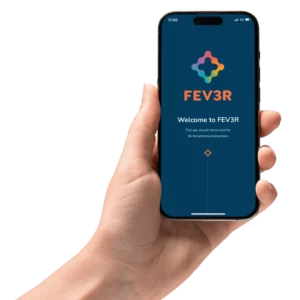
FEV3R is a healthcare subscription app that connects users to licensed doctors conveniently. Instead of committing to expensive insurance premiums, individuals pay a manageable subscription fee for accessible consultations.
In the context of no health insurance Malaysia, this model helps reduce the uncertainty of uninsured healthcare. Users can seek medical advice early, clarify symptoms, and receive professional guidance without immediately facing high hospital bills.
This approach supports smarter management of medical costs without insurance. Early intervention prevents minor conditions from escalating into expensive emergencies.
For freelancers, gig workers, and young professionals, FEV3R represents one of the more practical healthcare alternatives Malaysia currently offers which is combining accessibility with cost predictability.
It does not replace major hospital insurance, but it strengthens everyday healthcare access in a sustainable way.
Building a Personal Safety Net Without Insurance
If you are living with no health insurance Malaysia, building structure around your health finances becomes essential.
Consider:
- Creating a dedicated medical emergency fund
- Tracking annual healthcare spending patterns
- Exploring subscription-based affordable care options
- Understanding government healthcare pathways
- Reviewing employer benefits thoroughly
These steps transform uninsured healthcare from reactive to proactive.
Rethinking “Insurance or Nothing”
The conversation around healthcare often frames insurance as the only responsible solution. But the reality is more layered.
Some Malaysians are temporarily uninsured while building careers. Others are self-employed and weighing cash flow priorities. Many are exploring hybrid approaches like combining savings, public healthcare, and digital platforms.
The key is not fear, it is preparation.
Understanding your healthcare alternatives Malaysia provides reduces stress and empowers informed health decisions. Even without traditional insurance, structured planning makes a significant difference.
A Calm, Practical Approach to Healthcare
Living with no health insurance Malaysia does not mean living recklessly. It often reflects calculated choices shaped by income, age, and lifestyle.
What matters most is how individuals prepare for uncertainty. Through public healthcare access, disciplined savings, digital consultations, family support, and subscription-based affordable care options, Malaysians continue to adapt.
Healthcare is not only about hospital admissions. It is about everyday access to professional advice, preventive care, and early intervention.
When medical costs without insurance feel overwhelming, structured alternatives can provide stability.
Whether through public hospitals, employer benefits, savings strategies, or platforms like FEV3R, uninsured healthcare can be navigated thoughtfully.
The goal is not perfection. It is preparedness.
And with the right planning, even without traditional coverage, Malaysians can manage their health confidently, one practical decision at a time.