

For many SMEs in Malaysia, February is a crucial decision-making month. Q1 numbers are becoming clearer, hiring plans are more realistic, and leadership teams start discussing one big question:
What should our employee benefits look like for 2026?
Healthcare is often the most expensive and stressful part of that conversation. Traditional insurance plans come with rising premiums, long-term commitments, and limited flexibility. Once signed, SMEs are usually locked in, regardless of whether the plan truly serves their employees’ day-to-day needs.
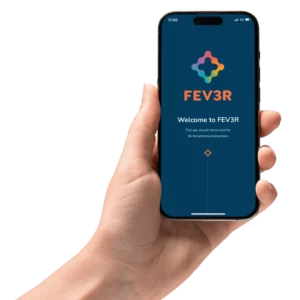
This is where smarter SME budget planning matters. Before committing to high-cost insurance packages, many SMEs are now exploring digital healthcare options like FEV3R which is a lower-risk, high-impact way to support employee wellbeing without blowing the budget.
Why February Matters for SME Decision-Making
Unlike large corporations, SMEs don’t have the luxury of over-allocating budgets “just in case.” Every ringgit matters. By February, business owners and HR leaders usually have better clarity on:
- Actual Q1 cash flow
- Hiring needs for the year
- Retention challenges
- What benefits employees actually use
This makes February a strategic moment for HR planning Q1 outcomes to shape longer-term decisions especially for healthcare.
The Problem Expensive Insurance
Traditional medical insurance is often seen as the default option for employee benefits Malaysia. But for SMEs, it can quickly become a financial strain.
Common challenges include:
- High premiums that increase yearly
- Long waiting periods for coverage
- Benefits employees rarely use
- Paying for hospitalisation when most issues are outpatient
- Limited flexibility once contracts are signed
For smaller teams, this can mean paying a lot for benefits that don’t address everyday healthcare needs.
That’s why many SMEs are rethinking their approach during the SME budget planning season.
What Employees Actually Need
When SMEs look closely at employee usage patterns, a clear trend often emerges. Most health concerns are not major hospital events. They’re everyday issues like:
- Flu and minor infections
- Gastric or digestive discomfort
- Stress-related symptoms
- General health concerns
- Needing medical advice quickly
Yet traditional insurance is often structured around hospitalisation, not daily access. This mismatch is where digital healthcare can add real value to employee benefits Malaysia.
How FEV3R Fits Into SME Budget Planning
FEV3R offers SMEs a way to support employee health without committing to high fixed insurance costs upfront. As a digital healthcare solution, it focuses on accessibility, early intervention, and practicality.
With FEV3R employer plans, SMEs can:
- Provide healthcare access without large premiums
- Support employees from day one
- Reduce unnecessary clinic and hospital visits
- Control costs more predictably
This makes FEV3R especially attractive during SME budget planning before finalising 2026 benefits.
A Practical Alternative
One of the biggest advantages of FEV3R is its low-risk nature. Unlike insurance plans that require long-term contracts and significant upfront commitments, FEV3R allows SMEs to start small and scale as needed.
This approach:
- Minimises financial exposure
- Allows SMEs to test employee adoption
- Delivers immediate value
- Complements rather than replaces insurance
For SMEs unsure about committing to expensive coverage, this flexibility is crucial.
Cost Savings That Actually Add Up
Healthcare costs don’t just come from premiums. They also come from lost productivity, unnecessary sick leave, and delayed treatment.
By offering digital access, FEV3R helps create telehealth cost savings through:
- Early medical guidance
- Reduced clinic visits for minor issues
- Faster recovery due to timely advice
- Less time away from work
These indirect savings often go unnoticed but over a year, they make a meaningful difference to SME operations.
Support During Q1 Planning
HR teams in SMEs wear many hats. From payroll to recruitment to compliance, adding complex healthcare administration can be overwhelming.
FEV3R simplifies HR planning Q1 by:
- Reducing healthcare-related admin questions
- Offering a clear, easy-to-communicate benefit
- Minimising confusion around coverage
- Supporting employees consistently
This allows HR teams to focus on growth and engagement rather than troubleshooting medical concerns.
A Better Experience for Employees
Benefits aren’t just about cost, they’re about perception. Employees may not fully understand insurance coverage, but they do understand access.
With FEV3R, employees get:
- Easy access to medical advice
- Support for everyday health concerns
- A sense that the company cares
- Confidence to seek help early
This improves how employee benefits Malaysia are experienced, not just how they’re listed on paper.
Ideal for SMEs with GrowingT eams
SMEs often deal with fluctuating headcount. Hiring may increase mid-year, or teams may scale back depending on market conditions. Fixed insurance plans don’t adapt well to this reality.
FEV3R offers flexibility that aligns with:
- Growing teams
- Hybrid or remote staff
- Younger workforces
- Budget-conscious organisations
This adaptability makes FEV3R employer solutions especially suitable for SMEs planning ahead.
Complementing Not Competing
Choosing FEV3R doesn’t mean abandoning insurance entirely. In fact, many SMEs use FEV3R as a complementary layer of care.
This hybrid approach:
- Covers everyday healthcare needs digitally
- Reserves insurance for major medical events
- Reduces over-reliance on claims
- Helps control long-term costs
From a telehealth cost savings perspective, this balance is often more sustainable.
Making Better Benefits Decisions
Too often, SMEs rush benefits decisions due to renewal deadlines or fear of “not offering enough.” February is the right time to slow down and assess options logically.
Smart SME budget planning involves asking:
- What do our employees really use?
- Where are we overspending?
- How can we offer value without financial strain?
FEV3R answers these questions by offering a practical, accessible healthcare solution before long-term commitments are made.
Waiting Until Later Can Cost More
Once insurance contracts are signed, flexibility disappears. Premiums are fixed, changes are limited, and costs are locked in, even if business conditions change.
By evaluating FEV3R early, SMEs:
- Keep options open
- Avoid rushed decisions
- Test digital healthcare adoption
- Build a more balanced benefits strategy
This proactive thinking is key to effective HR planning Q1 and beyond.
A Smarter Way to Build 2026 Benefits
Healthcare benefits don’t have to be all-or-nothing. SMEs that think creatively can deliver real value without overextending financially.
By incorporating FEV3R into employee benefits Malaysia, businesses gain:
- Cost control
- Flexibility
- Happier, supported employees
- Reduced administrative stress
All while keeping budgets aligned with business reality.
Plan Smart Before You Commit
February is not just another month, it’s a decision window. For SMEs planning their 2026 benefits, now is the time to explore alternatives before locking into expensive, rigid insurance plans.
With FEV3R employer solutions, SMEs can achieve meaningful telehealth cost savings, strengthen employee benefits Malaysia, and support better health outcomes, all without high financial risk.
Because smart SME budget planning isn’t about spending more. It’s about choosing benefits that actually work.