
Waiting days for an appointment, sitting in a crowded clinic, and taking time off work used to be part of the healthcare experience in Malaysia. It was accepted as normal, even unavoidable. But that mindset is changing fast. As everyday consumer apps deliver food, transport, and services within minutes, many Malaysians now question why healthcare still feels slow, rigid, and inconvenient.
This shift has sparked a growing demand for on demand healthcare Malaysia, where access to medical advice fits into real life instead of disrupting it. The way people interact with healthcare is evolving and patient expectations are no longer what they used to be.
How Consumer Apps Changed Our Behaviour
From ride-hailing to food delivery and banking apps, Malaysians have grown accustomed to instant access. With a few taps, services arrive at your doorstep or on your phone. Over time, this convenience has shaped how people evaluate all services, including healthcare.
When answers are available immediately elsewhere, waiting days to ask a doctor a simple question feels outdated. This is why patient expectations have shifted so dramatically. People want clarity, speed, and flexibility, not just treatment.
Healthcare is no longer compared only to other clinics or hospitals. It is being compared to consumer tech experiences. This comparison has forced the industry to rethink how care is delivered.
The Rise of Digital-First Health Behaviour
More Malaysians now start their health journey online. They search symptoms, read articles, ask friends, and explore apps before considering a clinic visit. This behaviour reflects trust in digital health services as a first step rather than a last resort.
While self-research can be helpful, it also creates confusion when information conflicts. What Malaysians really want is quick access to credible medical guidance, not just search results. This is where digital healthcare steps in, offering a bridge between self-care and traditional medical care.
As on demand healthcare Malaysia becomes more visible, it aligns naturally with how people already manage their daily lives.
Why Traditional Appointments Feel Increasingly Frustrating
The issue is not that physical clinics are unnecessary. They remain essential for examinations, tests, and treatments. The frustration comes from using the same process for every health concern, regardless of urgency or complexity.
Minor symptoms, follow-up questions, medication clarifications, or reassurance often do not require a full clinic visit. Yet the traditional system treats them the same way. This mismatch fuels dissatisfaction and pushes Malaysians to look for alternatives that better meet modern patient expectations.
On-demand healthcare addresses this gap by offering timely access without unnecessary steps.
Telemedicine Is No Longer a “Nice to Have”
What was once seen as optional is now becoming essential. Telemedicine platforms allow users to consult licensed doctors remotely, making healthcare more accessible for working adults, parents, and those living in busy urban areas.
For many Malaysians, telemedicine reduces barriers such as travel time, clinic queues, and scheduling conflicts. It also supports earlier intervention, as people are more likely to seek advice when it is convenient.
This shift supports better health outcomes by encouraging timely care instead of delayed action, a key benefit of digital health services.
Healthcare Innovation Driven by Real-Life Needs
The push toward convenience is not about impatience; it is about practicality. Malaysians juggle long working hours, traffic, family responsibilities, and unpredictable schedules. Healthcare that demands significant time investment often gets postponed.
Healthcare innovation today focuses on adapting care models to real behaviour. This includes flexible consultations, symptom checkers, digital records, and subscription-based access. These innovations aim to meet people where they are on their phones, during short breaks, or after working hours.
As on demand healthcare Malaysia evolves, innovation is shaped less by technology alone and more by everyday user needs.
How FEV3R Supports On-Demand Healthcare Expectations
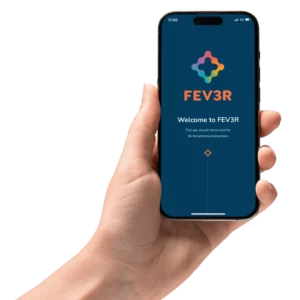
FEV3R is built around the reality that not every health concern fits neatly into an appointment slot. As a healthcare subscription app, it offers Malaysians access to doctors without the friction of traditional systems.
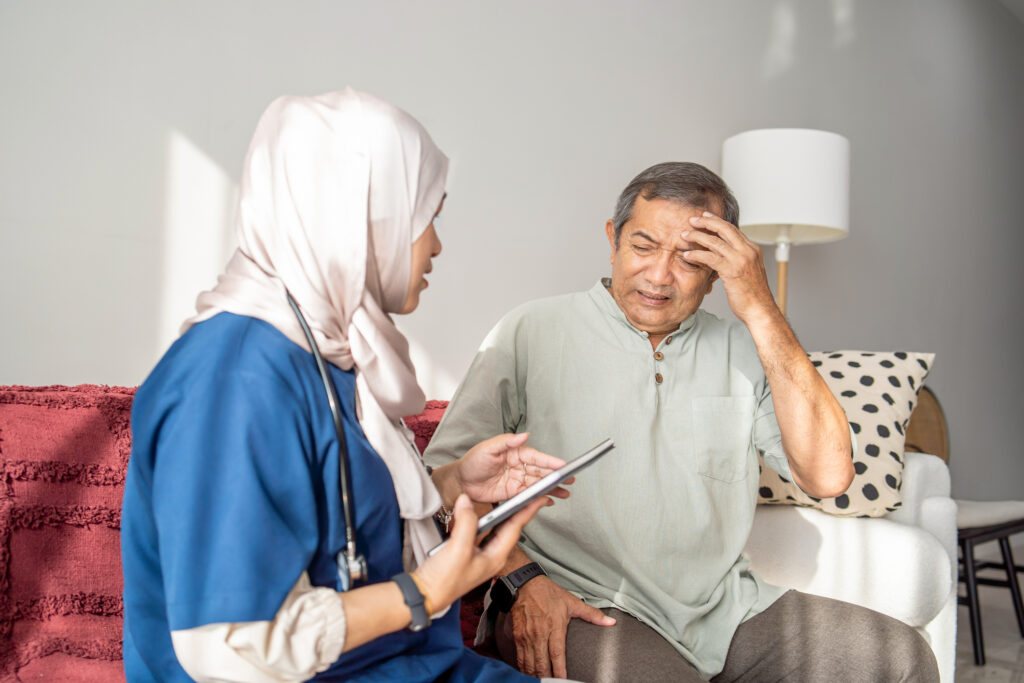
Through FEV3R, users can consult medical professionals online, helping them decide whether symptoms can be managed at home, monitored further, or require in-person care. This aligns closely with modern patient expectations which includes fast answers, professional reassurance, and clear next steps.
By offering structured access to telemedicine platforms, FEV3R reduces unnecessary delays and empowers users to take timely action. It fits seamlessly into the on-demand lifestyle Malaysians already embrace.
Trust and Quality Still Matter
Speed alone is not enough. Malaysians want assurance that digital healthcare is safe, reliable, and professional. This is why licensed doctors, clear guidelines, and transparent processes are essential for building trust.
Digital health services that prioritise quality help counter misinformation and reduce anxiety. When users know they are receiving evidence-based advice, they are more confident in making health decisions.
On-demand healthcare works best when convenience is balanced with credibility.
Not Replacing Clinics, But Redefining Access
A common misconception is that on-demand healthcare aims to replace physical clinics. In reality, it complements them. It filters concerns, guides decisions, and ensures clinic visits are used when truly needed.
This hybrid approach supports a more efficient healthcare system overall. It also reflects a more realistic understanding of patient expectations: flexibility when possible, hands-on care when necessary.
By integrating telemedicine platforms with traditional care, Malaysians gain more control over how and when they seek help.
What the Future of Healthcare Looks Like for Malaysians
As lifestyles continue to evolve, healthcare must keep pace. The expectation is no longer just treatment, but access, responsiveness, and clarity. Malaysians want healthcare that respects their time without compromising safety.
Healthcare innovation will continue to focus on seamless digital experiences, smarter triage, and personalised care. On-demand models are not a trend; they are a response to changing behaviour.
In this new landscape, on demand healthcare Malaysia represents more than convenience. It reflects a shift toward healthcare that adapts to people, not the other way around.
A Smarter Way to Engage With Healthcare
The move from scheduled appointments to on-demand access marks a significant cultural change. Malaysians are no longer passive recipients of care; they are active participants who expect options.
By embracing digital health services and tools like FEV3R, users can navigate health concerns with confidence, speed, and professional support. Healthcare no longer has to wait and neither should you.
As expectations continue to rise, the question is no longer whether healthcare should be on-demand, but how well it adapts to meet modern Malaysian lives.