

Hybrid work has officially moved beyond a pandemic trend, it’s now part of how many Malaysians work in 2026. Whether you’re clocking in from home in PJ, joining a meeting from a café in Penang, or collaborating with teammates across time zones, this new work style gives flexibility, but also comes with its own challenges. As more companies embrace hybrid work Malaysia arrangements, employee health support must evolve too. That’s where telehealth steps in, not as a temporary fix, but as a long-term strategy for healthier, more resilient teams.
With employees scattered between office and home, companies are beginning to realise that traditional healthcare systems no longer match modern workplace rhythms. Sick days are still a problem, medical appointments still interrupt work hours, and minor illnesses still spread during office days. As organisations double down on employee wellness 2026 priorities, digital solutions are becoming essential. Telehealth has emerged as a key pillar in keeping employees healthy without disrupting productivity.
Below, we explore how telehealth fits naturally into Malaysia’s hybrid workforce, why so many HR teams are adopting telehealth for companies, and how platforms like FEV3R provide remote health support that truly matches today’s working culture.
Support That Moves With Employees
The hybrid schedule means employees are constantly switching between environments – from office desks and co-working spaces to home offices and even interstate travel. Because of this mobility, employees need a healthcare option that moves with them.
A doctor’s appointment that once required taking half a day off can now be done through a quick virtual consult. Instead of waiting at clinics, employees can access digital healthcare Malaysia from wherever they are; reducing workload disruptions, improving attendance, and giving staff more control over their well-being.
Imagine a morning where your throat starts hurting. If it’s an office day, do you risk going in? If you’re working from home, do you drag yourself to a clinic? With telehealth, employees get medical advice fast and avoid unnecessary travel or exposure.
This flexibility supports hybrid work instead of interrupting it.
Reduce Sick Days and Office Outbreaks
Hybrid workplaces are not immune to seasonal illnesses. In fact, with people moving in and out of shared spaces unpredictably, viruses often spread even faster. Companies regularly report sudden waves of flu, food poisoning, stomach bugs, coughs, and infections right after packed collaboration days.
Telehealth helps break this cycle.
Employees can speak to a doctor at the first sign of symptoms instead of waiting until things get worse. Early diagnosis means better prevention, better treatment, and fewer colleagues getting sick. It also removes the need for employees to “tahan” and come to the office while feeling unwell, a common Malaysian habit that unintentionally spreads germs.
When HR teams integrate telehealth for companies as part of their wellness programmes, they empower employees to take action early, reducing absenteeism and preventing workplace outbreaks.
Employees Want Faster, Smarter Health Access
Traditional medical claims systems often involve long waits, confusing paperwork, and claim rejections that sap employee morale. Hybrid workers especially dislike the hassle of scanning receipts, filling forms, and waiting weeks for reimbursements.
Telehealth simplifies all of this.
Digital platforms streamline consultations, e-prescriptions, and documentation. Employees receive medical certificates (MC) directly through their devices, medications can be delivered to their home, and follow-ups take minutes, not days.
This is the kind of seamless remote health support that today’s modern Malaysian workforce expects. It matches the speed of digital communication and the immediate nature of hybrid work schedules.
Telehealth for Common Hybrid Work Illnesses
Hybrid work tends to encourage long screen hours, inconsistent routines, and eating on the go. This leads to common issues like:
- neck and back pain from switching between multiple work setups
- gastritis from irregular meals
- sleep problems
- anxiety or work burnout
- seasonal infections from office days
- migraines and eye strain
Telehealth provides quick care for all these conditions without requiring employees to commute or wait.
This saves time, reduces disruptions, and helps employees feel supported no matter where they’re working from.
Building a Culture Employees Appreciate
In 2026, Malaysian workers value employers who support their physical and mental health. In fact, younger employees often choose companies based on wellness benefits, not just salary.
Telehealth helps employers build a healthier culture by making care available instantly.
HR teams can use telehealth analytics to understand common health issues affecting their workforce, then design proactive wellness programmes. It also shows employees that the company genuinely cares about their well-being beyond small token perks.
A strong wellness culture leads to:
- higher productivity
- lower turnover
- better morale
- increased trust in leadership
As employee wellness 2026 becomes a top priority, telehealth is transforming into the backbone of corporate health strategies.
Why Companies Need Telehealth for Distributed Teams
Not all employees live near major hospitals. Some work remotely from Kedah, Sabah, Sarawak, Pahang or smaller towns where healthcare access is limited.
Telehealth helps bridge this gap.
Employees can reach qualified doctors regardless of location, weather, or infrastructure. This reduces inequality in healthcare access and ensures that remote workers don’t feel left behind in a hybrid model. For companies with distributed teams, telehealth ensures everyone gets care fairly and consistently.
This aligns with the country’s push toward digital healthcare Malaysia, where tech enables more inclusive access to medical support.
How FEV3R Fits Into Malaysia’s Hybrid Work Culture
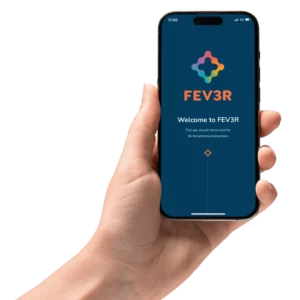
Here is where FEV3R becomes a powerful tool for companies and employees. As a healthcare subscription app designed for Malaysian needs, FEV3R makes it easier for hybrid workers to get care whenever they need it whether they’re dealing with fever, infections, stomach issues, mental stress, or sudden symptoms that disrupt their day.
Through FEV3R, employees can connect with certified doctors within minutes, get prescriptions, review symptoms, and receive medical certificates digitally. This level of convenience supports the entire rhythm of hybrid work which is fast, flexible, and accessible. FEV3R also simplifies employer-sponsored plans, giving HR teams an efficient solution for telehealth for companies without complicated processes or high cost. It fits perfectly into a modern wellness strategy that prioritises remote health support and continuous health access for every employee.
What HR Teams Should Do Now
If your company plans to sustain hybrid work long-term, now is the time to evaluate your employee health benefits. Here’s what HR leaders can do:
a. Review current medical benefits
Are they office-centered? Are claims slow? Do employees find them useful?
b. Introduce telehealth as a core benefit, not a “bonus”
Telehealth is no longer optional, it’s essential.
c. Support preventive care
Encourage early consultations instead of waiting for illnesses to worsen.
d. Ensure equal care for remote and office staff
Telehealth ensures balanced health access across regions.
e. Choose a platform with Malaysian medical expertise
Local doctors understand local conditions, medication availability, and workplace culture, something global platforms often lack.
Hybrid Work Will Keep Evolving
Hybrid work will continue to shift as companies adopt new tools, more flexible hours, and distributed teams across Malaysia and beyond. As workplaces evolve, healthcare delivery must evolve too.
Telehealth is not a temporary alternative, it is a permanent extension of modern employee support.
It reduces the friction of seeking care, empowers employees to take charge of their health and helps companies create healthier, happier, and more productive teams.
And for a country moving rapidly into the digital economy, this is exactly the kind of solution that strengthens both individual well-being and organisational performance.
A New Approach
The hybrid work era demands new approaches to employee health: ones that match the flexibility, speed, and mobility of the modern workforce. Telehealth offers exactly that. With platforms like FEV3R leading the way, companies can support their people better, reduce disruptions, and create a work culture where employees feel genuinely cared for.
Hybrid work is here to stay. And so is telehealth which is now an essential partner in building the future of digital healthcare Malaysia.