

A colleague mentioned at lunch that his father had a stroke last year. No warning, no symptoms in the weeks before, nothing that gave any indication. Just a normal morning and then suddenly not. The table went quiet for a moment. The conversation moved on. The thought did not.
That space between feeling fine and actually being fine is where preventive healthcare does its most important work. For most adults, that space is wider than they imagine.
What Does a Basic Screening Actually Cover?
A standard annual check is not a full day at the hospital. It covers blood pressure, fasting blood glucose, cholesterol, BMI, and a review with a doctor. From those readings alone, a doctor can identify early patterns linked to cardiovascular risk, kidney stress, and blood sugar irregularities well before they develop into something harder to manage.
Medical guidelines recommend starting from age 30, or earlier for those with a family history of diabetes, heart disease, or hypertension. The MOH Jom Saring initiative now extends free screening to adults aged 18, which reflects how these risks are appearing in younger adults more often than they did a decade ago. Depending on personal history, a doctor may also suggest thyroid markers, kidney function, or cancer screening. The aim is to understand where your health is heading, not only where it stands today.
How Many Adults Are Living With Undetected Conditions
It helps to understand the scale. The National Health and Morbidity Survey found that one in six adults has diabetes, close to three in ten live with hypertension, or high blood pressure, and one in three has elevated cholesterol. A significant proportion of those people have never been screened. They are carrying named, treatable conditions without knowing it.
What the numbers do not show is the person who finds out early and averts something serious, because that story does not make it into the data. Biology is genuinely on your side when a condition is caught in time. The same diagnosis that is manageable at an early stage becomes considerably heavier once it has had years to develop unchecked.
Who Can Access Screening and Through Which Programmes
Existing programmes make screening more reachable than most people realise. For B40 households, the PeKa B40 programme covers adults aged 40 and above. SOCSO contributors can access screenings through the SEHATi programme. These were not created as gestures. They exist because early detection genuinely reduces costs across the health system, for families and institutions alike.
For most working adults, cost is rarely the primary obstacle. The more common barrier is time. A clinic visit during working hours, a waiting room that runs on its own schedule, half a day absorbed by what should take an hour. These are the frictions that quietly push a screening from this month to next quarter to indefinitely.
What Early Detection Actually Prevents
When a condition is identified at an early stage, the path forward is lighter in almost every practical respect. Lifestyle adjustments, straightforward medication, and consistent monitoring can prevent prediabetes from progressing, stabilise blood pressure before it strains the heart, and reduce the likelihood of complications that alter daily life years from now.
Cardiologists at the National Heart Institute have noted concern about how infrequently adults screen themselves, with some going close to a decade between check-ups. A decade is a long time for something manageable to become something that is not. The encouraging reality is that most conditions most likely to affect long-term health respond well when caught at the right stage.
How Urban Routines Raise the Stakes Without Announcing It
Late commutes, irregular meal times, the third coffee to get through the afternoon, and a phone that brings work into the evening. None of it feels dramatic at the moment. But sustained stress and disrupted sleep affect blood sugar regulation and blood pressure, both of which are precisely what a routine screening is designed to catch before they require something more serious.
The First Step Just Got Considerably Easier
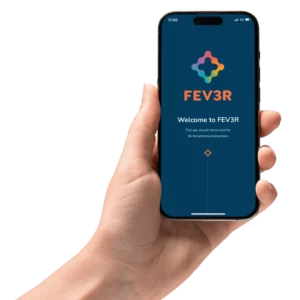
The honest obstacle for most people is not awareness. They know screening matters. The obstacle is fitting it into a week that is already at capacity. FEV3R makes the first step considerably easier. For around RM24 per month, users get unlimited access to licensed doctors via chat, voice, or video, without queuing or booking days in advance.
Every result and consultation is stored in one place. Medication is delivered when needed. For anyone who has been putting off a check-up because of time or access, being able to consult a doctor online from wherever you are changes what consistent care actually looks like.
Screening is no longer a single event that gets deferred indefinitely. It becomes a conversation that starts today and continues as regularly as life requires. A follow-up on a result, a question on a weeknight, a prescription renewed without a clinic trip. That is what ongoing preventive healthcare is supposed to feel like, and it is what FEV3R makes practically possible.
Start Before There Is a Reason
Preventive healthcare works best as a routine, not a response. Annual screenings, honest conversations with a doctor, and attention to personal risk factors are small steps with long-term significance.
The colleague at the lunch table has a different story now. Yours does not have to follow the same path. It starts with finding out where you actually stand.
Frequently Asked Questions
Q1. At what age should adults start health screening in Malaysia?
Age 30 is the standard starting point. Those with a parent or sibling who had diabetes, heart disease, or high blood pressure should consider starting sooner. A government initiative currently extends free access to adults from age 18.
Q2.What does a basic health screening include?
The core tests cover blood glucose, cholesterol, blood pressure, and BMI, reviewed with a doctor. Depending on age and personal history, additional tests such as thyroid function, kidney markers, or cancer screening may also be recommended.
Q3. How often should you go for a health screening?
Once a year is the general recommendation for adults above 30. Those managing existing conditions or with higher risk factors benefit from more frequent check-ups. A doctor is best placed to advise on the right interval based on personal health history.
Key Takeaways
- Diabetes, high blood pressure, and elevated cholesterol are each far more common than most people realise and most who carry them have never been screened.
- A basic annual screening takes far less time than most people assume and covers the conditions most likely to affect long term health.
- Free and subsidised screening programmes exist for B40 households and SOCSO contributors.
- Early detection makes the path forward lighter lifestyle changes and monitoring are far simpler than managing advanced complications.
- Consistent access to a doctor, rather than a single annual visit, is what turns screening into genuine preventive healthcare.