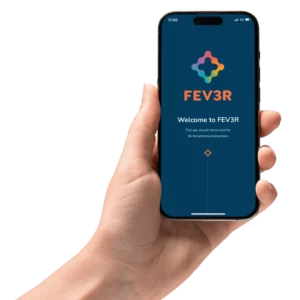


Healthcare in Malaysia is going through a transformation. For years, Malaysians have relied on two main options: public healthcare that is affordable but often overcrowded, or private healthcare that offers faster service but at a higher cost. Now, a new model is emerging—subscription-based healthcare, where patients pay a fixed monthly or yearly fee for unlimited medical consultations and access to essential services.
Platforms like FEV3R are leading this change by combining digital health technology with affordability. Instead of worrying about consultation fees every time you see a doctor, subscribers enjoy unlimited online consultations and seamless access to healthcare from the comfort of their homes.
This approach is reshaping how Malaysians—whether in Kuala Lumpur’s urban centres or rural villages in Sabah—experience healthcare.
Why Malaysia Needs Affordable, Accessible Healthcare
1 Rising Healthcare Costs
While Malaysia’s public healthcare system remains one of the most affordable in Southeast Asia, there’s growing pressure on hospitals and clinics due to increasing demand. Private healthcare, on the other hand, can be costly. According to the Malaysian Medical Association (MMA), consultation fees at private clinics can range from RM35 to RM125 for general practitioners—and that’s not including medication or follow-up visits.
For patients with chronic conditions like diabetes, hypertension, or asthma, these costs add up quickly.
2 Urban-Rural Healthcare Divide
In rural areas, access to doctors is more limited. Villagers may need to travel hours to reach the nearest clinic, which is both time-consuming and expensive. A subscription-based digital health platform removes these barriers by allowing patients to consult doctors online, get prescriptions, and receive medical advice without leaving their homes.
3 Increasing Prevalence of Chronic Diseases
Chronic diseases are on the rise in Malaysia.
- Diabetes: Over 3.6 million Malaysian adults live with diabetes, according to the National Health and Morbidity Survey (NHMS) 2019.
- Hypertension: Approximately 30% of adults suffer from high blood pressure.
These conditions require frequent monitoring, making the pay-per-visit model both costly and impractical. A subscription plan, however, ensures patients can have regular check-ins without worrying about consultation fees.
How Subscription-Based Healthcare Works
A subscription healthcare model is similar to a Netflix or Spotify membership—but for your health. You pay a fixed fee each month or year, and in return, you get access to:
- Unlimited online consultations with licensed doctors
- Prescription refills without repeated clinic visits
- Health tracking and reminders for medications
- Access to medical specialists (depending on the plan)
Platforms like FEV3R take this a step further by integrating telemedicine, electronic prescriptions, and digital health records into one easy-to-use app.
Benefits of Subscription-Based Healthcare in Malaysia
1 Cost Savings
For individuals or families who see a doctor multiple times a year, subscription plans can save hundreds of ringgit annually. Instead of paying RM50 per visit, a fixed RM30–RM60 monthly fee covers all consultations.
2 Convenience and Time Savings
With FEV3R, patients can consult a doctor via smartphone or computer anytime—even late at night or during weekends. This is especially valuable for:
- Parents with sick children
- Elderly patients who find travel difficult
- Working adults with busy schedules
3 Continuity of Care
One challenge with traditional clinics is seeing different doctors each visit. Subscription platforms often assign the same doctor for follow-ups, ensuring better understanding of your medical history.
4 Accessibility for Rural Communities
For Malaysians living in remote areas, subscription models mean healthcare without travel. Digital consultations bridge the gap between rural patients and qualified medical professionals.
FEV3R: Leading the Subscription Healthcare Revolution
FEV3R is one of the pioneers of healthcare subscriptions in Malaysia. Their platform is designed to be:
- Affordable: Flexible monthly or annual payment plans
- Comprehensive: Unlimited doctor consultations plus prescription management
- Accessible: Available in both English and Bahasa Malaysia for a wide user base
The app also integrates health reminders for medication and follow-up appointments, making it easier for chronic disease patients to stay on track.
Who Should Consider a Healthcare Subscription?
This model benefits a wide range of people:
- Families with children who may fall sick often
- Elderly Malaysians with mobility challenges
- Individuals with chronic illnesses needing frequent consultations
- Rural residents with limited clinic access
- Busy professionals who value time and convenience
Addressing Concerns About Digital Healthcare
Some Malaysians may worry about whether online consultations can replace physical visits. While subscription platforms like FEV3R cover most non-emergency medical needs, certain situations still require in-person check-ups or tests.
However, the combination of online consultations for routine care and in-clinic visits when necessary creates a balanced, cost-effective healthcare strategy.
The Future of Subscription Healthcare in Malaysia
The subscription model is still relatively new in Malaysia, but the adoption rate is increasing—especially post-COVID-19, when telemedicine became more common. With rising healthcare costs and increased smartphone penetration, digital-first healthcare could become a mainstream choice for Malaysians within the next decade.
Government support and public awareness campaigns will further accelerate this shift, making affordable, accessible, and convenient healthcare a reality for all.
Health Without Financial Stress
Subscription-based healthcare is not just a trend—it’s a sustainable solution to some of Malaysia’s biggest healthcare challenges. Platforms like FEV3R are proving that it’s possible to combine quality medical care with affordability and accessibility.
Whether you’re a city professional in Kuala Lumpur or a retiree in a rural kampung, the future of healthcare in Malaysia may well be just a subscription away.
Contact Us