
Malaysia’s healthcare landscape is evolving fast. With rising expectations, more patients are asking not just whether treatment works — but how modern, precise, and recovery-friendly it is. This is where robotic surgery Malaysia comes in, part of a broader shift with AI healthcare Malaysia and advanced medical technology touching more lives than ever. For many, it means shorter recovery, smaller scars, less pain, and better outcomes compared to traditional open surgeries.
But for you as a patient, it’s important to know what robotic surgery really means, what options are available locally, what trade-offs exist, and how digital healthcare tools can help you decide.
What Is Robotic Surgery & Minimally Invasive Surgery in This Context
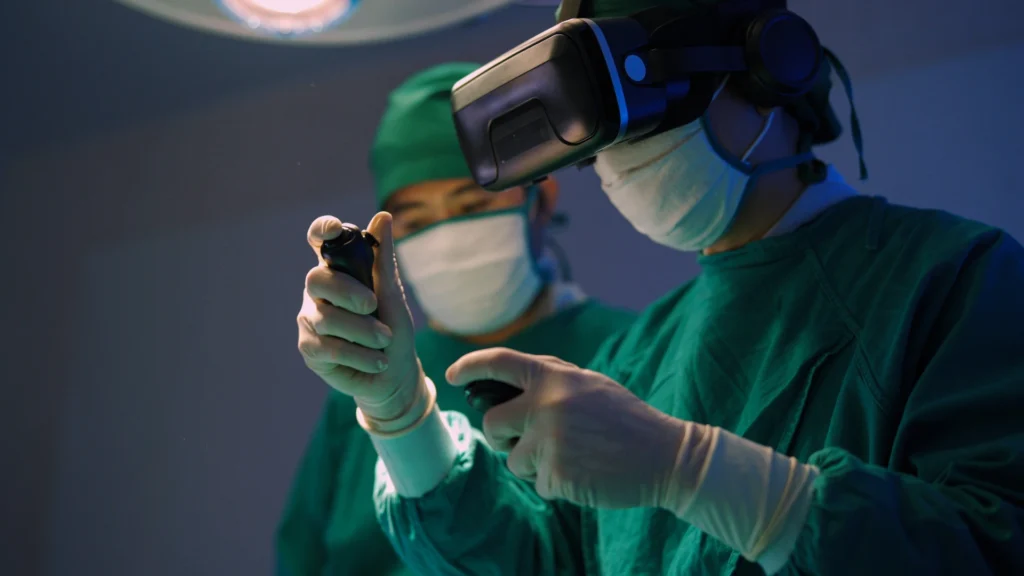
- Robotic surgery refers to using robot-assisted systems (e.g. robotic arms controlled via a console) that allow surgeons greater dexterity, fine control, 3D imaging, and precision.
- Minimally invasive surgery (MIS) includes laparoscopic, keyhole, and robotic-assisted approaches designed to reduce bleeding, reduce trauma to tissues, speed up recovery, and generally give patients a gentler experience.
- These are part of advanced medical technology and tie closely with digital healthcare, because they often require imaging, planning software, AI-supported guidance, etc.
Success Stories & Centres Leading the Way
Malaysia already has several success stories and notable hospitals where these techniques are being applied:
- Mahkota Medical Centre (Melaka) & Regency Specialist Hospital (Johor Bahru)
These two hospitals under HMI Medical have introduced Japan’s Hinotori™ Robotic-Assisted System (RAS), the first of its kind in Malaysia/ASEAN in some respects. BioSpectrum Asia+1 The system is being used in multiple specialities — urology, gynaecology, colorectal, general surgery — with better precision and minimally invasive benefits. BioSpectrum Asia+1 - Sunway Medical Centre (Sunway City, Selangor)
They are among the first to adopt the da Vinci Xi Surgical Robot for broader surgical specialties: urology, gynaecology, colorectal, digestive, hepatobiliary, orthopaedics, etc. Sunway Medical+1 This move is part of raising standards, especially for complex surgeries where MIS and robotic help yields clear patient benefits. Sunway Medical+1 - KPJ Hospitals
- KPJ Ipoh Specialist Hospital has done over 100 robotic-assisted total knee replacement surgeries in seven months. KPJ Health System
- KPJ Kuching Specialist Hospital has crossed over 1,000 robotic knee replacements (with systems such as ROSA® Knee System and VELYS™), used for improving joint function, especially for osteoarthritis and similar conditions. KPJ Health System+1
- KPJ Ipoh Specialist Hospital has done over 100 robotic-assisted total knee replacement surgeries in seven months. KPJ Health System
- Hospital Picaso (Petaling Jaya)
Hospital Picaso is collaborating with Device Technologies to expand adoption of robotic surgery Malaysia using Da Vinci Xi platforms. Hospital Picasso+1 They also host training hubs to build surgeon expertise and boost access. Hospital Picasso - Pantai Hospital Ipoh (Perak)
While this isn’t robotic surgery in every case, they recently achieved a milestone with a minimally invasive thymectomy (removing thymus) without sternotomy (no opening of breastbone). This shows how MIS is pushing boundaries even outside traditional robotic-arm systems. IHH Healthcare
- Mahkota Medical Centre (Melaka) & Regency Specialist Hospital (Johor Bahru)
What Patients Should Know: Benefits & Limitations
If you or a loved one are considering robotic surgery, here are key points to be aware of:
Benefits
- Smaller incisions, less pain: Because robotic systems allow very precise instrument control, the size of cuts can be smaller; this often means less bleeding and less post-op discomfort.
- Quicker recoveries: Shorter hospital stay, faster return to daily activities. This matters especially if you work, support family, or have limited mobility.
- Greater precision and lower risk: In complex surgeries (e.g. prostate, kidney, orthopaedics), the accuracy of robotics can help with preserving healthy tissue, reducing complications, and improving surgical outcomes.
- Better visualisation: 3D cameras, magnification, and steady motion help surgeons see what might be hard to view in open surgery.
Limitations / Things to Consider
- Cost: Robotic surgery is more expensive than conventional surgery because of specialised equipment, training, and maintenance. You will need to check hospital fees / insurance coverage.
- Not always necessary: For some cases standard laparoscopic or open surgery still works well; robotic may not always offer huge additional benefit depending on your health, condition, and surgeon experience.
- Availability: Not every hospital offers robotic surgery. There may be waiting lists or need to travel to centres like Sunway, MMC, KPJ, etc.
- Surgeon skill matters: The technology helps, but success depends heavily on how experienced the surgical team is. Always check the hospital’s track record.
How Digital Healthcare Supports Robotic Surgery Patients
The intersection of AI healthcare Malaysia, robotic surgery Malaysia, and digital healthcare gives you more tools to make informed decisions:
- Pre-surgical consultations via apps/software: You can consult surgeons or specialists online to see whether robotic surgery is appropriate in your case.
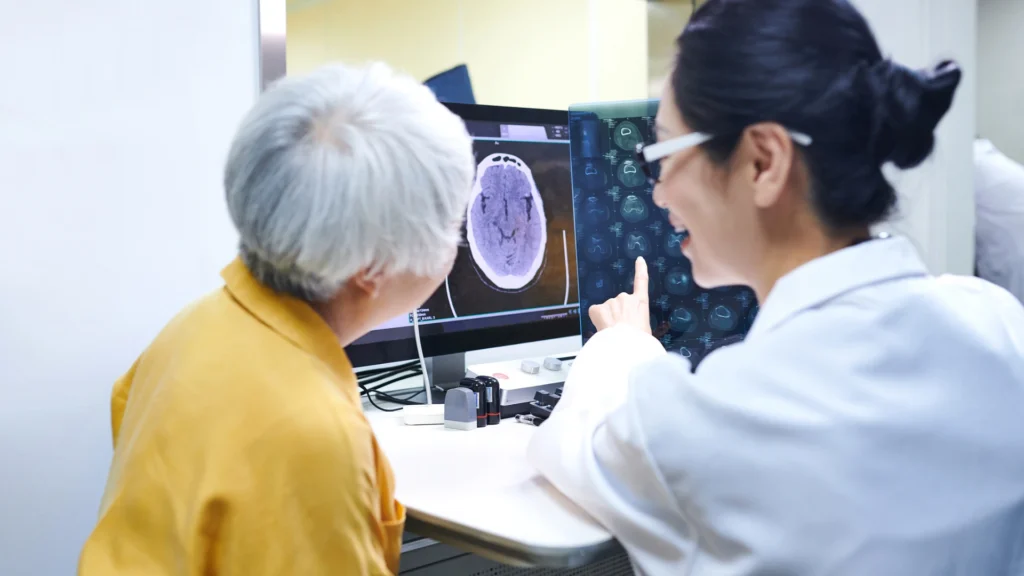
- Access to digital medical records, imaging, test results: Helps with second opinions, planning, understanding what procedure you’ll go through.
- Telehealth follow-ups: After surgery, check-ups via video calls may reduce need for physical visits, especially during early recovery.
- Digital cost estimation tools and hospital-comparison apps: To help you compare what hospitals will charge for robotic vs non-robotic options, including extra fees.
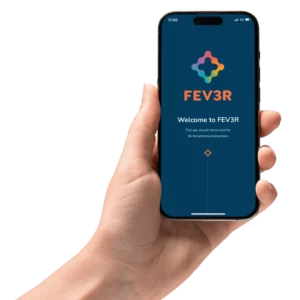
How FEV3R Can Help You Navigate These Options
Here’s where FEV3R becomes relevant for patients exploring robotic surgery Malaysia:
- Information & referrals: FEV3R can help you find hospitals (such as Sunway Medical Centre, Mahkota Medical Centre, KPJ hospitals, Hospital Picaso) that offer robotic or minimally invasive surgery.
- Pre-op advice: Through digital healthcare consultations, you can discuss your condition, whether you are a good candidate, expected recovery time, risks vs benefits — all before making big surgery decisions.
- Post-surgery monitoring and follow-up: Use FEV3R to track your recovery, ask questions, manage wound care, etc., without frequent hospital visits.
Cost awareness: FEV3R may help estimate costs, see if insurance covers robotic surgery, and prepare you mentally and financially for the procedure and recovery.
Examples of Procedures Where Robotic Surgery & MIS Are Already Making Impact
- Knee replacement (orthopaedics) — KPJ Ipoh, KPJ Kuching use robotic systems (e.g. ROSA, VELYS) to better align joints, reduce pain and improve mobility. KPJ Health System+2KPJ Health System+2
- Urology / prostate surgery — At Sunway Medical Centre and MMC / HMI with Hinotori™, many of the early robotic cases include urology. The precision helps reduce side effects like incontinence or erectile dysfunction. BioSpectrum Asia+2Sysmex+2
- General & colorectal surgery — Hospital Picaso’s collaborations and da Vinci systems facilitate colorectal MIS. Hospital Picasso
Thoracic surgery — Pantai Hospital Ipoh’s minimally invasive thymectomy is a success story where open chest surgery was avoided. IHH Healthcare
Questions to Ask Your Surgeon & Hospital
To make sure you are getting the best possible outcome when considering robotic surgery Malaysia, here are good questions to ask:
- Do you have a robotic-assisted system (which model)? How many cases have you done with it?
- What is your experience with this specific robot in the type of surgery I need?
- What are the expected benefits in my case vs standard surgery?
- What are the additional costs involved (surgery, hospital stay, consumables)?
- What is the expected recovery time? What are possible risks or complications?
- Will I have follow-up care digitally (via telehealth) or in-person?
Does my insurance cover robotic surgery or any portion of it?
What the Future Looks Like
Malaysia is moving forward quickly in robotic surgery Malaysia, backed by developments in AI healthcare Malaysia and advanced medical technology. More hospitals are adopting new robotic platforms (e.g. Hinotori™, Da Vinci, ROSA, VELYS), more surgeons are being trained, and patients are being offered more options for minimally invasive approaches. The aim is not just to be fancy, but to make these technologies accessible and reliable, lowering recovery times, improving outcomes, and ultimately reducing long-term costs (even if upfront cost is higher).
Also, as part of digital healthcare, expect to see things like AI-assisted imaging, predictive analytics (for risks), remote consultations and more integration between your health records, surgical centres, and recovery support via apps.
Making the Decision: Is Robotic Surgery Right for You?
Robotic surgery can offer excellent outcomes — especially if your condition benefits from precision and requires a less invasive approach. But it’s not always the only option. Sometimes standard surgery or laparoscopic (non-robotic) MIS may achieve very good results at lower cost. It depends on your health condition, age, surgeon expertise, hospital capability, and your budget or insurance.
If you are considering it:
- Gather as much info as you can (hospital success rates, surgeon experience)
- Use digital healthcare tools (like FEV3R) to consult, compare, and plan
- Think about recovery: time off work, support needed, cost of stay, post-surgery care etc.
Conclusion
Robotic surgery Malaysia represents one of the most exciting frontiers in AI healthcare Malaysia and advanced medical technology. It offers you a chance at surgical care that’s less traumatic, more precise, and recovery-friendly. But it requires doing homework, understanding both the benefits and limitations, and choosing hospitals and surgeons you trust.
If you or a family member are exploring robot-assisted or minimally invasive surgery, start by finding centres with strong track records (Sunway Medical Centre, KPJ hospitals, Mahkota Medical Centre, Hospital Picaso, etc.). Use tools like FEV3R to get pre-surgery consultations, compare options, cost, and recovery plans. Your best outcome may lie in the intersection of good technology, good surgeon, and smart planning.
Don’t let advanced options intimidate you — let them empower you to make the right decision for your health. Robotic surgery could just be the path to faster recovery, less pain, and better quality of life.
Contact Us