
For many Malaysians, especially those living in Kelantan, Terengganu, Pahang, and parts of Sabah and Sarawak, the monsoon season is more than heavy rain. It is a period of uncertainty, disrupted routines, and urgent safety concerns. When the water rises, roads close, power gets cut, and physical movement becomes limited. But one thing should never be compromised: access to healthcare.
Every year, communities face the same challenge: how do you get medical help when you’re surrounded by floodwater? This is where digital health tools have become more than just convenient, they are lifelines. As the nation continues to navigate yearly monsoon impacts, flood health Malaysia is no longer only about rescue and relief; it’s also about ensuring Malaysians stay healthy even when clinics, pharmacies, or hospitals become unreachable.
This article explores how technology strengthens Malaysia public health during disasters, what challenges flood-prone communities face, and how services like FEV3R keep care accessible when it matters most.
Why Floods Disrupt Healthcare for Malaysians
Malaysia’s monsoon floods strike hardest along the East Coast, cutting off rural and semi-urban communities for days or even weeks. The biggest problem during these disasters isn’t just physical damage but also the breakdown of essential services.
1. Roads Become Inaccessible
Most clinics and hospitals can only be accessed by main roads. Once these roads are submerged or washed out, travel becomes dangerous or impossible. Even ambulances cannot reach affected areas.
2. Clinics Close or Have Limited Staff
Floodwaters can damage equipment, cause power outages, or force healthcare workers to evacuate. This creates gaps in disaster healthcare when demand is actually increasing.
3. Higher Disease Risk
Flood environments raise the risk of infections, waterborne diseases, fever, skin problems, and chronic illness flare-ups. Without access to treatment, these conditions escalate quickly.
4. Medication Interruptions
Many Malaysians rely on daily medications for diabetes, hypertension, asthma, heart disease, and more. When pharmacies close or supplies run out, health complications rise.
5. Limited Emergency Care
During widespread floods, paramedics may be overwhelmed or unable to reach patients. This makes emergency medical access a major challenge.
All these issues highlight one truth: Malaysians need reliable ways to reach healthcare even when they can’t leave their homes or villages.
Common Flood-Related Illnesses and Risks
Floods affect the environment and the human body in ways people often underestimate. Knowing what illnesses spike during monsoon season helps families stay alert.
1. Skin Infections
Long exposure to floodwater leads to fungal infections, rashes, and wounds that can worsen without treatment.
2. Gastrointestinal Illness
Contaminated water increases the risk of diarrhoea, vomiting, and food poisoning.
3. Respiratory Issues
Cold weather, high humidity, and cramped shelters make flu, cough, and breathing issues more common.
4. Chronic Condition Complications
Diabetic foot infections, asthma attacks, hypertension spikes – these are common when people lose access to routine care.
5. Mosquito-Borne Diseases
After the water recedes, mosquito breeding increases, raising dengue risk.
Technology plays a major role in managing these risks more effectively, especially in areas where medical access is cut off.
How Digital Tools Support Malaysians During Flood Season
The shift toward digital healthcare is transforming flood health Malaysia, ensuring that even during disasters, Malaysians can still receive essential support. When physical clinics become inaccessible, technology steps in to bridge the gap.
1. Telemedicine: The First Line of Support
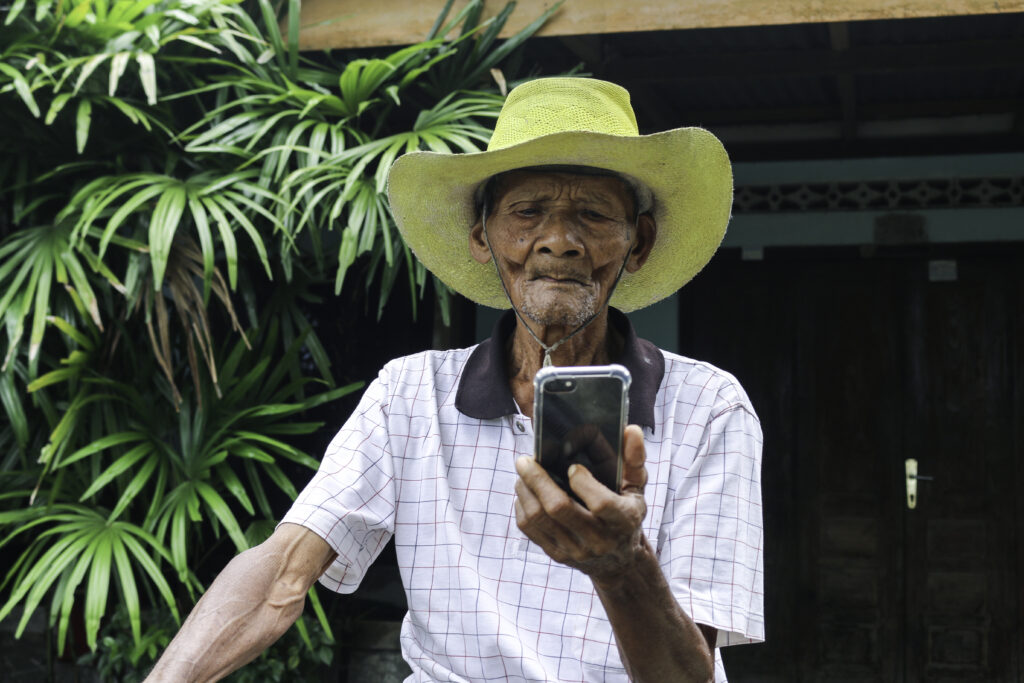
Telemedicine during floods gives Malaysians immediate access to doctors without needing to travel. With just a smartphone, patients can get medical advice, symptom checks, treatment plans, and guidance on whether they need urgent evacuation.
Telehealth is particularly useful for:
- Fever and infections
- Skin problems due to floodwater
- Medication refills
- Monitoring chronic conditions
- Mental health support
- Child and elderly care
For families stuck at home or in temporary shelters, this is a safe and practical solution.
2. Digital Prescriptions and Delivery Coordination
Some platforms help connect patients with pharmacies that can deliver medications to accessible drop-off points. This prevents dangerous interruptions for chronic illness patients.
3. Remote Monitoring Tools
Wearables and health apps allow doctors to track blood pressure, oxygen levels, glucose readings, and more which are critical for high-risk patients who cannot reach a clinic.
4. Health Education and Real-Time Guidance
Digital platforms share updates about disease outbreaks, evacuation notices, and safe hygiene practices. This strengthens Malaysia public health communication during disasters.
5. Electronic Medical Records (EMR)
When patients move between shelters or temporary clinics, digital records allow medical teams to quickly access history, allergies, and medication needs.
In flood conditions, information can literally save lives.
How FEV3R Strengthens Care Continuity During Disasters
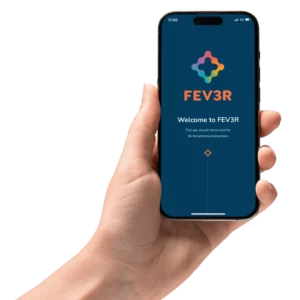
When floods strike, people shouldn’t have to wait hours, days, or until the water recedes to get medical help. FEV3R bridges that gap by making emergency medical access easier for every Malaysian whether you’re in a monsoon-hit kampung or a town where roads are blocked.
Here’s how FEV3R supports communities during disasters:
- Instant teleconsultation with doctors so you can get reliable advice even if clinics are closed.
- Guidance for flood-related illnesses, including skin infections, fever, breathing issues, and wound management.
- Consultations for chronic illness patients who need continuous care despite disruptions.
- Clarity on whether symptoms require evacuation or can be managed at home, reducing panic and unnecessary travel.
- Easy access for families in rural flood-prone districts, where medical facilities are limited even on normal days.
In many cases, timely advice through FEV3R prevents complications, reduces anxiety, and helps families make safer decisions while waiting for rescue or relocation.
During monsoon season, having reliable medical access in your pocket can make all the difference.
Stories Malaysians Know Too Well During Floods
You’ve probably heard or experienced versions of these scenarios:
- A diabetic grandmother runs out of medication because the nearest pharmacy is 20km away and the bridge is underwater.
- A parent worries about a child who developed a fever in the middle of stormy weather with no open clinic nearby.
- A flood victim develops a painful foot infection but refuses to seek help, thinking it will heal on its own.
- Families in temporary shelters share limited medical supplies, not knowing that infections are spreading.
These are the realities behind disaster healthcare challenges in Malaysia. Fortunately, these are situations where technology-enabled care could prevent complications or hospitalisation.
Challenges Digital Health Helps Solve During Flood Disasters
Even with rescue teams, volunteers, and temporary clinics, certain issues persist every monsoon. Digital healthcare offers practical solutions without waiting for physical access.
1. Medical Advice Without Physical Movement
No need to risk walking through floodwater or waiting for rescue boats just to get a consultation.
2. Faster Triage
Doctors can advise whether symptoms require:
- Urgent evacuation
- Monitoring at home
- Specific medication
- Isolation (in case of flu-like symptoms)
This helps reduce panic and unnecessary strain on emergency teams.
3. Support for High-Risk Groups
Digital care ensures vulnerable groups like pregnant women, patients with disabilities, elderly individuals, babies receive timely guidance.
4. Mental Health Support
Flood trauma, anxiety and uncertainty can take a toll. Teleconsultations provide emotional support during difficult times.
5. Reduction of Misdiagnosis
Instead of guessing, Malaysians can get early diagnosis and prevent conditions from worsening.
How Communities Can Prepare for Flood Season
Preparation is key to strengthening flood health Malaysia efforts. Here are practical steps families can take:
1. Keep a Medical Emergency Kit
Essential items include: bandages, antiseptic, fever medication, chronic illness meds, and basic first aid tools.
2. Charge All Devices
Have power banks ready so you can still access telemedicine and emergency updates.
3. Store Clean Water and Food
Avoid using floodwater for cleaning wounds or preparing food.
4. Save Emergency Contacts
Include local authorities, hospitals, and digital health platforms.
5. Use Mosquito Repellent
Floods increase dengue risk after waters recede.
6. Monitor Health Symptoms
Don’t ignore:
- Persistent fever
- Vomiting
- Wounds that worsen
- Difficulty breathing
- Skin infections
- Dehydration
Early intervention saves lives.
Technology’s Big Role in Malaysia’s Flood Response
As floods become more frequent and unpredictable, healthcare access must evolve. Digital tools will continue strengthening Malaysia public health responses by ensuring:
- Faster access to medical advice
- Better continuity for chronic disease care
- Limited strain on hospital resources
- Improved disaster coordination
- Wider reach to rural and remote communities
Telemedicine is no longer a luxury, it is part of Malaysia’s national resilience.
When Floods Rise, Your Health Should Not Fall Behind
The monsoon season will always test Malaysians, but technology ensures we don’t face these challenges alone. Whether you need guidance on flood-related illness, chronic condition management, wound care, or emergency medical access, having digital healthcare at your fingertips provides safety and confidence.
FEV3R helps bridge the gap when physical clinics are unreachable, empowering Malaysians in flood-prone areas to get reliable medical support anytime during rain, storm, or rising water.
Health access should not stop just because the roads do. With the right tools and awareness, we can protect our families and strengthen our resilience every monsoon season.