

Something big is shifting in the Malaysian workforce. Employers who once focused mainly on medical claims, insurance, and treatment-based benefits are now rethinking their priorities. Rising chronic illnesses, increasing healthcare costs, and changing employee expectations have pushed companies toward a new strategy, one that catches problems early instead of reacting to them late. That is why 2026 is shaping up to be the year of preventive healthcare Malaysia.
Across industries from finance and tech to retail and BPOs, HR teams are starting to see the real cost of waiting until employees fall sick. Chronic conditions like diabetes, hypertension, obesity, and stress-related disorders don’t appear overnight. They develop silently over years, quietly reducing productivity, increasing absenteeism, and driving up the company’s annual medical spend.
Treatment alone is no longer enough. Employers need solutions that detect early signs, encourage healthy habits, and offer proactive support. And thanks to digital health tools, especially telehealth, this shift is finally possible. As corporate wellness 2026 becomes a strategic priority, prevention is emerging as the smart, sustainable path.
Why Malaysian Employers Are Moving Toward Preventive Healthcare
You’ve probably heard HR teams say this many times: “Every year our medical costs go up.” That’s not just insurance inflation, it’s because companies are dealing with late-stage illnesses, unmanaged chronic diseases, and employees ignoring symptoms until they become serious.
Several workplace realities are driving the shift toward preventive healthcare Malaysia:
a. Chronic diseases are hitting working adults earlier
More Malaysians in their 20s, 30s and 40s struggle with lifestyle-related conditions due to long working hours, high stress, insufficient sleep, and poor diet.
b. Sick days create real productivity loss
Absenteeism and presenteeism drain performance. Even employees who “tahan” and show up sick produce lower-quality work and spread illnesses.
c. Medical claims for unmanaged conditions are costly
Repeated visits, hospitalisations, specialist consultations, and long-term medication increase the company’s annual healthcare burden.
d. Employees want wellness support, not just insurance
Younger talent prefers prevention like nutrition guidance, mental health support, quick consultations, not only MCs or claims.
e. HR wants solutions that show measurable ROI
Prevention reduces downstream medical spending, improves morale, and helps retain employees. It creates a clear financial and cultural benefit.
Combined, these factors make 2026 the perfect turning point for employers to adopt employee health solutions that actively prevent illness instead of reacting to it.
Prevention Saves Money and Saves Teams
Most employers underestimate how much chronic diseases cost in the long run. Fatigue, migraines, frequent colds, gastric issues, and mental burnout may seem harmless at first, but over months and years, they:
- reduce performance
- create frequent absenteeism
- contribute to workplace mistakes
- lower employee morale
- increase turnover
- inflate medical claims
Preventive care helps break this cycle.
By catching symptoms early, employees can get guidance, medication, or management plans before things worsen. Whether it’s stress, early hypertension signs, digestion troubles, sleep issues, or recurring infections, preventive care offers intervention at the right moment.
This is why corporate wellness 2026 programmes now prioritise:
- regular health check-ins
- early access to doctors
- lifestyle coaching
- mental health support
- digital monitoring tools
- telehealth follow-ups
Instead of only reacting to crises, employers take steps to maintain a healthy, stable workforce.
How Digital Health Makes Prevention Possible
Before digital tools, preventive healthcare was difficult to maintain. Employees were too busy to schedule check-ups, too tired after work to visit doctors, or unsure if symptoms were serious.
Thanks to digital medical support, everything is more accessible. Preventive care can now happen anytime, anywhere.
a. Instant doctor access via telehealth
Employees can quickly check symptoms, get advice, and receive prescriptions through telemedicine Malaysia platforms without leaving home or office.
b. Early detection of red flags
Digital consultations allow doctors to spot warning signs early such as recurring fevers, chronic fatigue, or unmanaged lifestyle habits.
c. Consistent monitoring
Digital platforms make it easier to track symptoms, review medication, schedule follow-ups, and remind employees of care tasks.
d. Seamless support for remote and hybrid teams
Whether an employee works in KL, Johor, Kuching, or Kota Bharu, preventive care is equally accessible.
e. Reduced barriers to care
No more waiting rooms, transport time, leave applications, or unnecessary delays.
This accessibility is what makes digital-first prevention successful. When care is easy, people actually use it.
Employees Need More Than Just Treatment
One of the biggest misconceptions in workplace healthcare is the assumption that employees only need help when they’re already sick. In reality, employees need ongoing support to stay functional, focused, and energised.
Preventive care includes:
- lifestyle advice
- nutritional guidance
- stress management support
- early detection of infections
- mental health conversations
- guidance for chronic symptoms
For example:
- An employee experiencing frequent headaches may be suffering from dehydration, sleep issues, or screen strain not a severe illness yet, but a condition that can worsen.
- Someone with recurring gastric discomfort needs advice before it becomes chronic gastritis.
- A staff member with mood swings or burnout symptoms needs intervention early to prevent breakdowns.
- Constant fatigue may indicate vitamin deficiencies, poor lifestyle habits, or early metabolic issues.
These situations benefit greatly from digital medical support, where employees can check in with a doctor easily, without feeling like they are “overreacting.”
When employers support this kind of care, employees feel empowered, healthier, and more loyal.
The Backbone of Preventive Healthcare for 2026
Digital consultations are no longer just a replacement for clinic visits, they are a core component of prevention. With telemedicine Malaysia services growing rapidly, employees can consult doctors early, not only when things get severe.
Telemedicine supports prevention in several ways:
a. First-line screening
Employees can quickly ask, “Is this serious?” and get advice on the next step.
b. Avoiding unnecessary hospital visits
Minor issues can be managed virtually, saving time and reducing strain.
c. Encouraging proactive health habits
Easy access makes employees more likely to seek help early.
d. Managing chronic conditions
Regular virtual follow-ups help prevent lapses in medication or care.
e. Reducing silent suffering
Many Malaysians tend to ignore symptoms. Telehealth eliminates excuses.
In other words, telemedicine transforms healthcare from something reactive into something continuous.
Why Prevention Matters More For HR
From an HR standpoint, employee health solutions must now adapt to the realities of retention, cost control, and workforce management. Employers in 2026 are dealing with:
- higher claim volumes
- burnout among staff
- talent shortages
- rising insurance premiums
- hybrid work health risks
- pressure to show real employee care
Prevention addresses all these issues at once.
Cost savings
Prevention reduces expensive medical treatments, specialist visits, and hospital admissions.
Less absenteeism
Employees manage small issues early instead of waiting until they are severely ill.
Stronger employee engagement
A workforce that feels cared for tends to stay longer and contribute more.
Better employer branding
Companies that invest in corporate wellness 2026 attract top talent.
Smoother operations
Fewer health-related disruptions mean more consistent productivity.
With digital-first tools supporting these strategies, HR now has the ability to manage employee wellness more efficiently.
Where FEV3R Fits Into the Preventive Healthcare Movement
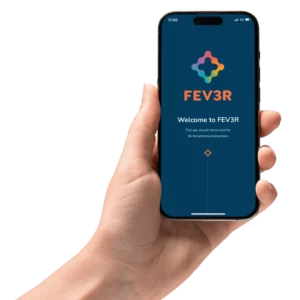
This is where FEV3R becomes an incredibly valuable asset for companies. As a subscription-based digital healthcare app built for Malaysian needs, FEV3R offers fast access to doctors, early symptom checks, and continuous health support; all of which align perfectly with preventive strategies.
With FEV3R, employees gain:
- instant virtual consultations
- quick symptom evaluation
- early diagnosis support
- easy access to prescriptions
- digital MCs
- health guidance without clinic queues
- ongoing support for chronic symptoms
For employers, FEV3R reduces unnecessary claims, limits absenteeism, and provides a cost-effective approach to digital medical support. It empowers HR teams to strengthen their employee health solutions while giving staff a tool they can rely on anytime.
Most importantly, FEV3R encourages proactive care by helping employees make better decisions before their health declines. This fits seamlessly with the nationwide trend toward preventive healthcare Malaysia.
What Employers Should Do to Prepare for 2026
As preventive healthcare becomes the new standard, here are the action steps Malaysia’s employers should consider:
a. Review your current benefits
Identify gaps that focus too heavily on treatment and not early intervention.
b. Integrate telemedicine into your wellness plan
Make digital care a first point of contact for your team.
c. Promote regular check-ins
Encourage employees to consult early rather than waiting for severe symptoms.
d. Train managers to recognise early burnout or stress
Workplace well-being starts with awareness.
e. Offer long-term preventive programmes
Nutrition, mental health, stress management, and digital guidance go a long way.
f. Choose digital tools that employees will actually use
Ease of use determines participation.
The goal is to shift company culture from “we respond when sick” to “we support you before you fall sick.”
Prevention is Better Than Cure
Malaysia is entering a new era of workplace healthcare, one focused on prevention, not reaction. With chronic diseases rising, employee expectations changing, and digital tools becoming mainstream, 2026 is set to become the year of preventive healthcare Malaysia.
Employers who adapt early will see lower costs, stronger teams, and healthier workplaces. Telehealth, digital check-ins, and platforms like FEV3R will play a central role in this transformation, helping HR teams provide effective employee health solutions that protect employees long before illness disrupts their lives.