

Many Malaysians have experienced it. Sitting in a clinic, being asked about past illnesses or medications, and trying to recall details from memory. Was it last year or two years ago? Was the dosage once a day or twice? Was it antibiotics or painkillers? These moments of uncertainty are more common than we realise, and they highlight a quiet but serious issue in local healthcare: memory-based medicine.
When important health decisions rely on incomplete recall, risks increase. In a system where patients often move between clinics, pharmacies, and hospitals, the absence of a clear, accessible medical history Malaysia can compromise safety and continuity of care.
Why Memory-Based Healthcare Is So Common
Malaysia’s healthcare journey is rarely linear. A person might visit a government clinic for one issue, a private GP for another, and a pharmacy for over-the-counter medication all within a short period of time. Records are often scattered, paper-based, or stored in separate systems that do not communicate with each other.
As a result, patients become the main source of information. They are expected to remember diagnoses, test results, allergies, and medication names. Over time, details fade, especially when symptoms resolve or medications change.
This reliance on memory places unnecessary pressure on patients and increases the likelihood of errors within patient records.
The Safety Risks of Incomplete Information
Healthcare decisions are built on accurate information. When doctors do not have a full picture, they must rely on partial data, assumptions, or repeated questioning. This can lead to duplicated tests, delayed diagnosis, or medication conflicts.
The risk is even higher for individuals managing multiple conditions, elderly patients, or parents speaking on behalf of children or family members. In these cases, missing information can directly affect healthcare safety.
A forgotten allergy, an incomplete medication list, or an unclear diagnosis history may seem minor, but the consequences can be serious.
A Risky Foundation
Phrases like “I think” or “I can’t remember” are common in consultations, yet healthcare often moves forward anyway. This is not due to negligence, but necessity. Doctors work with what they have.
However, memory is not a reliable storage system. Stress, illness, time gaps, and medical jargon all affect recall. When patients rely solely on memory, medical history Malaysia becomes fragmented, increasing the chance of miscommunication.
This is where structured, accessible patient records become essential rather than optional.
The Role of Digital Records in Safer Care
Digital health records allow medical information to be stored, updated, and accessed more easily over time. Instead of relying on memory or paper files, patients and doctors can refer to documented histories when making decisions.
A secure digital health platform helps consolidate diagnoses, prescriptions, and consultations in one place. This improves continuity of care, especially when patients consult different doctors or switch providers.
More importantly, digital records support healthcare safety by reducing guesswork and enabling informed medical decisions.
Why Malaysians Need Better Access to Their Own Health Records
Healthcare systems often focus on provider-side documentation, but patient access is just as important. When individuals can view and understand their own health records, they become more engaged and informed.
In medical history Malaysia, access gaps mean many patients only see fragments of their health journey. Lab results may be stored separately from consultation notes, while prescriptions are forgotten once symptoms improve.
Accessible health records empower patients to communicate more clearly with doctors, ask better questions, and avoid repeating the same story at every visit.
Digital Health Is Not About Complexity
There is a common misconception that digital health solutions are complicated or only for tech-savvy users. In reality, effective systems are designed to simplify healthcare, not add barriers.
A good digital health platform should reduce reliance on memory, not replace human interaction. It acts as a support tool; a reference point that ensures accuracy even when details slip.
For Malaysians balancing busy lives, digital records offer reassurance that important information is not lost between visits.
How FEV3R Supports Safer, Connected Healthcare
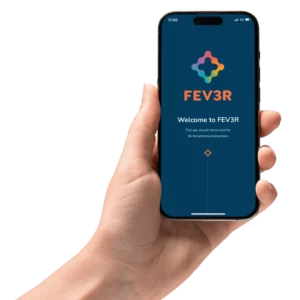
FEV3R addresses one of the biggest gaps in memory-based healthcare by helping users keep track of their medical interactions digitally. As a healthcare subscription app, it allows Malaysians to consult doctors online while maintaining a clearer record of past consultations.
When users engage with FEV3R, their symptoms, advice received, and outcomes are documented, creating continuity over time. This reduces the pressure to recall everything during future consultations and supports safer decision-making.
By functioning as a digital health platform, FEV3R complements traditional clinics rather than replacing them. It helps users maintain clearer health records and improves communication with healthcare professionals.
Supporting Doctors, Not Replacing Them
Digital records do not remove the need for doctors’ expertise. Instead, they enhance it. When doctors have access to accurate information, consultations become more focused and effective.
Reducing reliance on memory allows doctors to spend less time clarifying past events and more time addressing current concerns. This benefits both patients and providers and strengthens overall healthcare safety.
The Long-Term Impact of Better Records
Consistent record-keeping supports long-term health management. Patterns become visible, recurring issues are easier to identify, and care becomes more personalised.
In the context of medical history Malaysia, this shift is especially important as more people manage chronic conditions, mental health concerns, or preventive care needs over time.
Clear patient records help ensure that no part of the health journey is forgotten or overlooked.
Moving Away From Memory-Based Medicine
Relying on memory for healthcare decisions is no longer sustainable. As healthcare becomes more complex, the margin for error narrows. Patients should not have to remember everything for care to be safe.
Digital solutions offer a practical way forward – one that respects real human limitations while improving accuracy. By embracing accessible health records and tools like FEV3R, Malaysians can reduce risk and gain confidence in their care.
Healthcare should not depend on guesswork. When information is clear, connected, and accessible, both patients and doctors can make better decisions together.