

Recent data from Malaysia is bringing an alarming truth into sharp focus: over 50% of breast cancer Malaysia cases are being diagnosed at stage 3 or 4, when treatment is more difficult and survival outcomes are worse. Sinar Daily+3thesun.my+3cancermatters.cancer.org.my+3
This trend is not just numbers — it shows a gap in women’s health Malaysia, in access, awareness, and early detection. Despite improvements in medical infrastructure, many women are still not going for breast cancer screening early enough, or delaying until symptoms are severe. beaconhospital.com.my+2thesun.my+2
How We Got Here: Barriers to Early Detection
Several factors contribute to late diagnosis Malaysia of breast cancer, including:
- Low screening rates
Even though Malaysia has campaigns and free screening programmes, many women, especially in rural or lower income (B40) communities, are not utilising them. For example, in one report the Breast Cancer Welfare Association Malaysia (BCWA) carried out over 7,600 free clinical breast examinations in 2024, but this is far lower than what is needed for the population. thesun.my - Fear, stigma, misinformation
Some women avoid medical help because they fear diagnosis, treatment, loss of breast, or believe a lump will go away on its own. Cultural taboos and lack of accurate information persist. beaconhospital.com.my+1 - Access and cost issues
Travelling to hospitals or clinics, cost of mammograms or diagnostics (if not free or subsidised), and logistical challenges discourage early screening, especially for those in remote or underserved areas. cancermatters.cancer.org.my+1
Age and awareness
Many women may think breast cancer risk is only for older ages or only if there is family history, which is not true. Younger women are also affected but may delay because they believe they are “safe”. thesun.my+1
Recent Efforts and Programmes in Malaysia
Malaysia is responding. Some of the recent initiatives to combat late diagnosis include:
- Etiqa & National Cancer Society of Malaysia (NCSM) Free Mammogram Programme (Phase 7)
This provides free mammogram screenings to 4,000 underprivileged women aged 40-65, via 17 panel hospitals and clinics. Also distributes self-breast examination kits in multiple languages. BusinessToday - Ministry of Health’s data & goals during Breast Cancer Awareness Month
The Health Minister announced that 50.5% of cases are diagnosed late, and MOH aims to target at least 20,000 women aged 30+ for screening from October to December 2025 via community screenings at many locations across Malaysia (83 locations, 20 National Cancer Society panel hospitals) with free mammogram referrals for those in the B40 group. thesun.my+2thesun.my+2 - Subang Jaya Medical Centre (SJMC) – “Beyond the Pink Ribbon” Campaign
SJMC sponsored free 3D mammogram screenings for women in underserved communities in Subang Jaya. These 3D mammograms have higher sensitivity than traditional 2D tests, helping to detect abnormal changes earlier. Malay Mail
Columbia Asia Hospital Cheras + Fujifilm Malaysia – PinKTober Charity Event
Provided vouchers to B40 women aged 40+ in Balakong, Selangor, for free mammograms and ultrasound screenings. A move aimed at lowering financial barriers and raising awareness. The Star
Why Early Detection & Cancer Awareness Malaysia Are Vital
When breast cancer Malaysia is caught early (stage I or II), treatment tends to be more effective, less invasive, less costly, and survival rates are much higher. But with more than half of diagnoses happening at late stages, many patients face more intense treatments and poorer prognoses. cancermatters.cancer.org.my+2The Star+2
Early detection also means:
- Less physical hardship (fewer aggressive surgeries, less radiation or chemo)
- Reduced mental and emotional strain
- Lower medical expenses and less burden on family and health system
Awareness campaigns, accessible screenings, and encouraging breast cancer screening as part of routine health care help shift the curve. Cancer awareness Malaysia is as much about information as it is about building trust and removing stigma.
- Less physical hardship (fewer aggressive surgeries, less radiation or chemo)
What Patients Should Know / Do to Reduce Risk of Late Diagnosis
If you or someone you care about want to be proactive, here are actionable steps:
- Don’t wait for symptoms
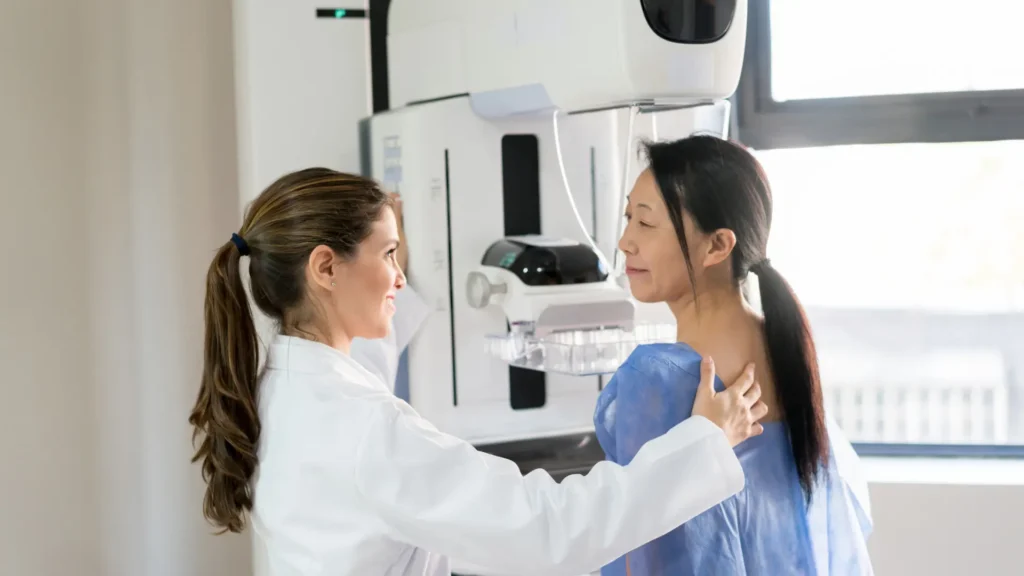
Regular self-breast examinations can help you notice changes. Then arrange clinical breast examinations and mammograms periodically, especially after age 40 (or earlier if you have risk factors). - Use free or subsidised services
Take advantage of programmes like Etiqa/NCSM free screenings, community events, hospital-sponsored mammograms, especially if you are from the B40 group. - Ask questions
If you find something (a lump, pain, nipple changes, skin changes), push for prompt evaluation. Don’t assume it’s benign until proven. - Know the risk factors
Family history, lifestyle (diet, exercise, alcohol, obesity), hormonal factors etc. Awareness of them helps you talk with your doctor and decide on earlier screening if needed. - Support from community
Support groups, NGOs, and awareness-raising bodies are helpful. Seek trustworthy sources of info, avoid misinformation.
- Don’t wait for symptoms
How Digital Healthcare (FEV3R) Helps in the Fight Against Late Diagnosis
Here’s where FEV3R can make a difference in addressing late diagnosis Malaysia of breast cancer:
- More accessible breast cancer screening guidance
Via online doctor consultations, FEV3R can help you understand when to screen, what tests are available, and where to go. - Reminders & follow-ups
Use digital tools in FEV3R for scheduling, reminders, tracking history (self-exams, mammograms), so you don’t lose track. - Telehealth for pre-screening assessment
If you’re unsure whether a sign is concerning, a quick online consult can guide you to the right next step, possibly avoiding delay. - Information & awareness content
FEV3R can provide culturally-sensitive education, clarify myths, reduce stigma, encourage early action.
Connecting to subsidised / free screening programmes
FEV3R can help you locate nearby institutions participating in free mammogram drives, or clinics that offer lower cost screening, especially for B40 or rural communities.
Hospitals & Clinics Where Screening is Being Extended / Supported
Here are examples of places / hospitals involved in screening efforts and how Malaysians can use their services:
- Subang Jaya Medical Centre (SJMC) — Runs campaigns like “Beyond the Pink Ribbon” sponsoring 3D mammograms for underserved communities. Malay Mail
- Columbia Asia Hospital Cheras, in partnership with Fujifilm Malaysia — Offers free mammograms and ultrasound screenings as part of charity / awareness events. The Star
- Panel Hospitals under Etiqa/NCSM — Part of the Free Mammogram Programme in Phase 7 (17 panel hospitals and clinics across multiple states), for women 40-65 with priority to underprivileged women. BusinessToday
- National Cancer Society Malaysia (NCSM) — Collaborates in multiple programmes, mobile clinics, awareness events across Malaysia. BusinessToday+1
Public Health Ministry Programmes — Clinical breast examination availability in government clinics; free mammogram referrals for B40 group; community screening events at many locations (83 locations etc.) during awareness drives. thesun.my+1
The Bigger Picture: What Malaysia Needs to Do
To reduce late diagnosis Malaysia significantly, systemic and cultural changes are needed:
- Increase access in rural / underserved areas
Mobile screening clinics, subsidised mammograms, local clinics trained and equipped, transport support etc. - Strengthen public education and normalize screening
Address stigma, fears (of diagnosis, treatment, loss of breast, cost), improve awareness that early detection saves lives. - Enhance screening programmes and reduce financial barriers
Expand free or low-cost mammogram programmes, ensure they are well advertised and accessible. - Ensure prompt diagnosis and treatment
Screening is only useful if follow-ups are timely, treatment pathways are clear, diagnostic services (biopsy, imaging) are available without long delays. - Leverage digital tools
Telehealth, reminders, screening risk assessments via apps, online doctor consults can all support early detection especially for those reluctant to physically go to clinics.
Policy & funding support
Government, NGOs, private sector must fund and support early detection as a priority in health budgets, with measurable targets and monitoring.
Taking Actions
The rising late diagnosis Malaysia of breast cancer Malaysia is a clear warning: awareness alone is not enough. When over half of cases are found only at stage 3 or 4, too many lives are put at risk. Breast cancer screening must be seen not as an optional check, but as essential self-care; women’s health Malaysia must include easy access, trusted information, and free or subsidized screening options.
If you’re a woman (or know one) aged 30+, don’t wait. Schedule a clinical breast exam, mammogram if recommended. Make use of free screening programmes, community events, hospital drives. Use tools like FEV3R to guide you, offer reminders, connect you with reliable clinics.
Awareness + Action = Better outcomes. Join the fight of cancer awareness Malaysia now — early detection saves lives.
Contact Us
Key recent stats / sources used:
- Health Minister: over 50% breast cancer cases in Malaysia detected at stages three & four. thesun.my+1
- Etiqa & NCSM Free Mammogram Programme Phase 7 screening 4,000 underprivileged women. BusinessToday
- SJMC’s “Beyond the Pink Ribbon” free 3D mammograms for underserved women. Malay Mail
- Columbia Asia Hospital Cheras + Fujifilm event for B40 women in Balakong, Selangor. The Star