

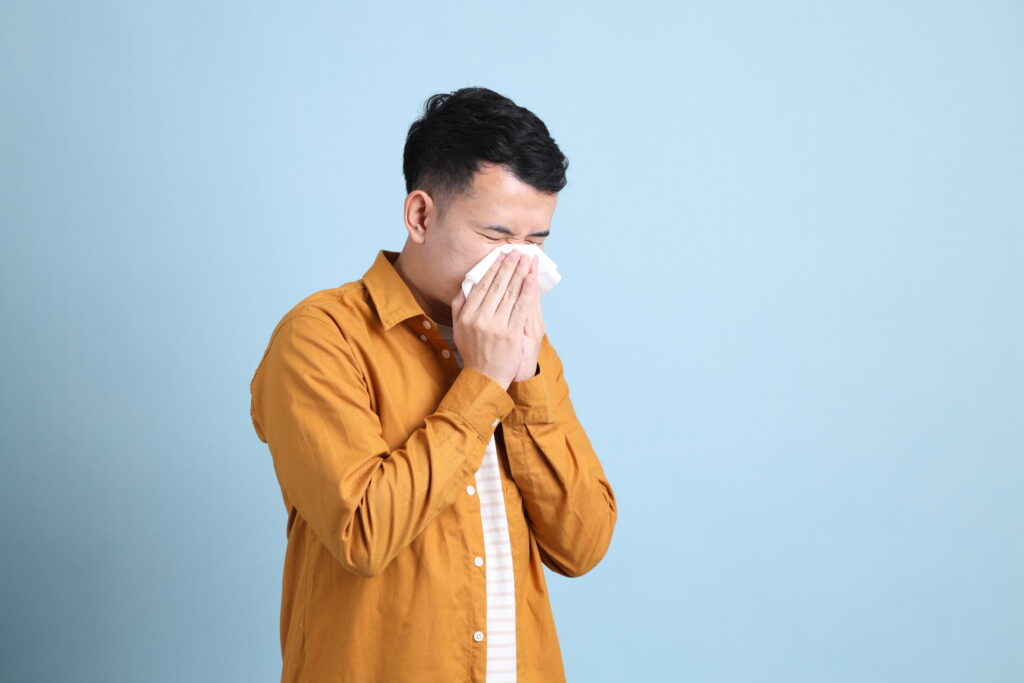
Across Malaysia’s cities, something subtle but significant is happening – more people are experiencing blocked noses, constant sneezing, itchy eyes, and never-ending sinus pressure. Whether you’re in KL, Penang, Johor Bahru, Kuching, or even smaller towns, conversations about allergic rhinitis Malaysia and persistent sinus Malaysia problems are becoming more common.
Allergy season has always existed, but the pattern is shifting. Symptoms are lasting longer, flaring more often, and affecting Malaysians who never had allergies before. Many people blame it on weather changes, air quality, or “just a sensitive nose,” but the real reasons are deeper. Malaysia’s rapid urbanisation, climate shifts, and increasing pollution health effects have all played a part in transforming the landscape of respiratory health.
If you’ve noticed yourself or your family members falling sick more easily, reacting to dust, or experiencing frequent sinus infections, you’re not imagining it. The rise of respiratory issues in the country is a growing public health concern and understanding the causes is the first step to prevention.
Malaysia’s Allergy Season Isn’t What It Used to Be
Unlike countries with clear spring or autumn allergy periods, Malaysia has a tropical climate with high humidity all year. Traditionally, allergens like dust mites, mould, and pollen have remained fairly stable. But today, Malaysians report flare-ups that happen across different months and weather patterns.
Why is this happening?
a. Climate changes are increasing allergen levels
Longer wet seasons encourage mould growth, while hotter months dry out the air and worsen dust circulation. These shifts create the perfect storm for allergic rhinitis Malaysia flare-ups.
b. Urban living exposes people to more irritants
Construction dust, traffic pollution, indoor air-conditioning, and cramped living spaces all heighten allergy sensitivity. Many homes, offices, and malls have trapped air that continuously circulates allergens.
c. Air pollution is getting harder to avoid
With growth in industrial activity, vehicle emissions, and occasional haze episodes, Malaysians are exposed to more particles than ever. Fine pollutants irritate the airway and weaken respiratory defence, contributing to long-term respiratory issues.
d. Immune systems are becoming more reactive
Lifestyle factors such as stress, lack of sleep, screen fatigue, dehydration make the body more sensitive to irritants. This means even mild allergens can trigger reactions.
Together, these factors explain why allergy season is no longer seasonal. It’s now a year-round challenge.
Allergic Rhinitis & Sinus Problems Malaysians Are Experiencing
Many Malaysians describe symptoms that come and go unpredictably:
- sudden sneezing fits
- runny or blocked nose
- itchy throat or eyes
- pressure around the cheeks and forehead
- headaches
- postnasal drip
- fatigue from poor-quality sleep
These signs point to allergic rhinitis Malaysia or chronic sinus Malaysia issues. While they seem harmless, repeated inflammation can affect daily life, especially for those who work indoors or spend hours in air-conditioned environments.
For adults, persistent sinus issues cause:
- low productivity
- difficulty concentrating
- disrupted sleep
- increased sick leave
- repeated infections requiring medication
For children, the effects are even more noticeable: frequent colds, school absences, irritability, and trouble breathing comfortably at night.
The rise in symptoms shows how Malaysia’s environment is placing more pressure on our respiratory health.
How Pollution Worsens Allergy & Sinus Conditions
Malaysia’s rapid development brings convenience, but it also introduces more pollutants into the air. When we talk about pollution health effects, the focus is usually on long-term risks. But for allergy sufferers, the impact is immediate.
Here’s how polluted air worsens allergic rhinitis Malaysia:
a. It irritates the nasal lining
Pollutants like PM2.5 and PM10 make the nose more sensitive. When the lining is irritated, even small amounts of dust or mould cause inflammation.
b. It traps allergens in the air
Pollution particles act like carriers. They attach to allergens, making them travel further and enter deeper into the respiratory system.
c. It weakens immunity
Long-term exposure creates chronic inflammation, lowering the airway’s natural defence. This increases susceptibility to respiratory issues.
d. It amplifies sinus infections
Sinus passages become swollen and blocked more easily, trapping mucus and allowing bacteria to grow.
If you notice sinus flare-ups after driving through traffic, being outdoors during haze periods, or spending time in dusty indoor spaces, pollution is likely the trigger.
Why More Malaysians Are Developing Allergies for the First Time
Some people who never had allergies as children suddenly experience symptoms in their 20s, 30s, or even 40s. This is becoming a common trend in Malaysia. But why?
Lifestyle & environmental changes
- Increasing time spent indoors
- Air-conditioning use throughout the day
- Higher exposure to dust mites and mould
- Traffic congestion in major cities
- More processed foods, less hydration
- Stress and irregular sleep habits
All these contribute to overactive immune responses, which manifest as allergic rhinitis Malaysia or chronic sinus Malaysia problems.
Urban upbringing
Children growing up in highly sanitised environments may have less exposure to natural microbes. This reduces immune tolerance by making them more prone to allergies later in life.
Post-illness sensitivity
After viral infections (including COVID-19), many Malaysians experience ongoing airway sensitivity, making allergies easier to trigger.
How Malaysians Can Protect Themselves During Allergy Season
The good news is that prevention and early management can reduce flare-ups significantly. By understanding your triggers and adopting smart habits, you can keep allergy symptoms under control.
a. Improve indoor air quality
Most Malaysians spend 80–90% of their time indoors, especially in schools and offices.
Tips:
- Use an air purifier
- Clean air-conditioning filters regularly
- Keep humidity under control
- Reduce carpeted areas that trap dust
b. Shower after being outdoors
This removes pollen, dust, and pollutants from skin and hair.
c. Strengthen your immune system
Simple lifestyle steps like hydration, sleep, balanced diet, nasal rinsing help reduce respiratory issues.
d. Identify your triggers
Common triggers include dust mites, perfume, cigarette smoke, mould, temperature changes, and polluted air.
e. Take antihistamines early
Don’t wait until symptoms become severe. Early intervention prevents inflammation from escalating.
f. Monitor symptoms during weather shifts
Rainy weeks, heatwaves, and haze periods can worsen sinus Malaysia problems.
Consistent prevention is key to staying comfortable and functional.
The Role of Digital Health
With Malaysia’s busy lifestyle, many people delay treatment until their sinus or allergy symptoms become unbearable. But early consultation is crucial for preventing chronic conditions.
This is where digital platforms make a significant difference.
Telehealth improves access to respiratory care
With digital healthcare tools, Malaysians can:
- consult a doctor from home
- get quick assessment of symptoms
- receive prescriptions for antihistamines or nasal sprays
- manage flare-ups without long clinic waits
- monitor recurring symptoms digitally
- follow up easily if conditions worsen
Digital health has become essential for managing allergic rhinitis Malaysia and sinus Malaysia conditions, especially during seasons when flare-ups are unpredictable.
How FEV3R Helps Malaysians Manage Allergies & Sinus Issues
FEV3R plays a valuable role in supporting Malaysians who frequently deal with allergies or respiratory issues. Instead of guessing whether your blocked nose is an infection, sinus inflammation, or an allergic reaction, FEV3R connects you to a doctor instantly.
With FEV3R, users can:
- identify whether symptoms are allergy-related
- receive early treatment suggestions
- get prescriptions digitally
- access medical advice without travelling
- manage flare-ups during bad allergy season
- ask whether symptoms require physical examination
- avoid unnecessary clinic queues, especially on bad haze days
This early-access model helps prevent prolonged inflammation and supports Malaysians in maintaining a better quality of life despite changing environmental triggers. For those dealing with recurring sinus Malaysia symptoms or suspected allergic rhinitis Malaysia, FEV3R gives reliable guidance exactly when it’s needed.
When Should You Consult a Doctor?
Many Malaysians try to “tahan” allergy symptoms, assuming it will go away on its own. But you should consult a doctor, either physically or through telehealth if you experience:
- sinus pain lasting more than 10 days
- symptoms interfering with sleep
- recurring flare-ups every month
- fever accompanying sinus congestion
- postnasal drip causing constant coughing
- difficulty breathing through the nose
These could indicate chronic rhinitis, sinus infection, or worsening respiratory issues that require proper treatment.
Staying Safe
Malaysia’s allergy season is evolving. With climate shifts, rising pollution, and growing urban density, it’s no surprise that more Malaysians are developing allergic rhinitis Malaysia, sinus problems, and related respiratory issues. While the environment continues to change, the way we care for ourselves must adapt too.
Prevention combined with early diagnosis through digital platforms can significantly reduce discomfort and long-term complications. With tools like FEV3R offering fast, practical support, Malaysians no longer need to suffer quietly or make repeated clinic trips just to manage allergies.