

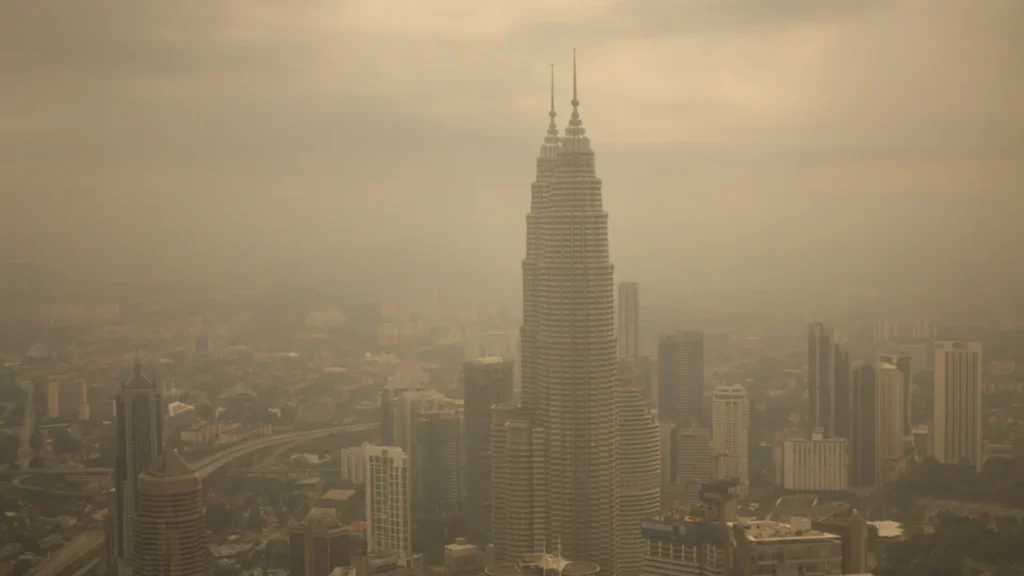
Step outside on a hazy day in Kuala Lumpur, and you’ll immediately feel it – the sting in your eyes, the heaviness in your breath, and that familiar greyish hue blanketing the skyline. But for children, what seems like “just another hazy day” can quietly impact their respiratory health and overall development in ways we might not notice right away.
While adults often complain about discomfort during hazy periods, children’s bodies are still growing and more vulnerable. Their lungs, immune systems, and even their brains are still developing, making them more susceptible to the effects of pollution-related illness. As Malaysia air pollution continues to rise in major cities, it’s time for parents to understand what’s at stake and what we can do to protect our little ones.
The Hidden Danger in Malaysia’s Urban Air
Many Malaysians associate haze with forest fires across borders, but the truth is that urban air quality problems are also homegrown. Cars, factories, open burning, and construction dust contribute heavily to Malaysia air pollution. In busy cities like Kuala Lumpur, Johor Bahru, and Penang, the constant traffic and industrial activities mean children are breathing in air filled with fine particles and harmful gases almost every day.
These pollutants can reach deep into the lungs and bloodstream, leading to inflammation and reduced oxygen levels. For a child’s developing body, that can mean more than just coughing and sneezing, it can influence long-term respiratory health and even affect how their organs function.
How Pollution-Related Illness Shows Up in Children
Children react differently to polluted air compared to adults. Because they breathe faster and spend more time outdoors, they inhale more air and therefore, more pollutants, relative to their body weight. The effects may appear as:
- Persistent coughs and colds: Frequent respiratory infections are one of the earliest signs of pollution-related illness.
- Asthma or worsening asthma symptoms: Children who already have asthma may experience more frequent or severe attacks when Malaysia air pollution levels are high.
- Allergic reactions: Polluted air can irritate nasal passages and trigger allergies.
- Reduced lung development: Long-term exposure can slow down lung growth, which may affect breathing capacity later in life.
- Fatigue and poor concentration: Less oxygen in the bloodstream can make children feel tired or less focused, affecting school performance and energy levels.
These health issues may seem minor at first, but over time, they can add up. Parents may find themselves visiting clinics more often, dealing with school absences, or struggling to manage recurring symptoms that never seem to fully go away.
Why City Kids Are Most at Risk
Urban living has many advantages like access to education, healthcare and opportunities but it also comes with invisible costs. The closer your home or your child’s school is to a highway, construction site, or industrial area, the higher the risk of inhaling polluted air.
Children in high-density areas like Klang Valley or Penang Island are particularly vulnerable. They may spend hours in traffic during school commutes or play in outdoor spaces surrounded by busy roads. Even short-term exposure to high Malaysia haze levels can irritate the eyes and throat, but prolonged exposure increases the risk of chronic respiratory health problems.
Many parents might not even realise that simple daily routines like walking to school or waiting for the bus could expose children to unsafe air conditions, especially when the haze season returns.
Signs Parents Shouldn’t Ignore
While you can’t see what’s in the air, your child’s body might already be telling you something’s wrong. Watch for:
- Wheezing or shortness of breath
- Dry cough that lasts for weeks
- Constant eye irritation
- Fatigue despite adequate sleep
- Difficulty focusing or headaches
If these symptoms appear frequently during periods of Malaysia haze or poor air quality, it’s time to act.
Small Steps to Protect Big Health
Parents can’t change the air overnight, but small, consistent steps can help protect children from pollution-related illness:
- Check the Air Pollution Index (API): Before sending kids outdoors, check daily API updates from reliable sources. Avoid outdoor activities when levels are “unhealthy.”
- Use air purifiers at home: Especially in bedrooms where kids spend most of their time.
- Close windows during hazy days: Keep pollutants out when the air outside is visibly bad.
- Encourage mask-wearing outdoors: A good-quality mask can filter out fine particles during high haze days.
- Hydration and nutrition: Water helps flush out toxins, while fruits and vegetables rich in antioxidants support children’s health and immunity.
- Regular health check-ups: Early detection can prevent small issues from becoming chronic.
How FEV3R Can Help Families Breathe Easier
For many parents, managing their children’s health can be stressful especially when you’re unsure whether a cough is just a common cold or something triggered by Malaysia air pollution. That’s where FEV3R, a healthcare subscription app, comes in.
FEV3R connects families with licensed doctors through online consultations anytime, anywhere. If your child develops breathing issues or allergy symptoms, you can get medical advice without leaving home, perfect for those hazy days when it’s unsafe to travel.
The app also allows parents to track medical history, manage prescriptions, and even get reminders for follow-ups, making it easier to stay on top of your child’s respiratory health and overall wellbeing. Whether you need quick advice or ongoing care, FEV3R ensures that no family is left unprotected. It’s like having a doctor in your pocket – affordable, immediate, and accessible even when the haze gets thick.
The Bigger Picture: What Needs to Change
Individual efforts can protect families in the short term, but the root of the problem lies in how we manage urban growth and environmental care. Reducing Malaysia air pollution requires collective action from stricter regulations on vehicle emissions and open burning to more sustainable city planning.
Parents can also play a role by supporting green initiatives, educating their children about the environment, and making small lifestyle changes like carpooling or using public transport when possible. Every step matters.
When we push for cleaner air, we’re not just fighting for clearer skies, we’re safeguarding our children’s futures.
Breathing Hope for the Next Generation
Our children deserve to grow up breathing clean air, not one laced with invisible threats. Protecting them starts with awareness, action, and access to the right tools.
By understanding how Malaysia air pollution affects children’s health, parents can take practical steps to protect their families and with platforms like FEV3R, getting medical help no longer needs to be complicated or delayed.
As the haze clears and skies return to blue, let it be a reminder that health is something we must actively defend, one breath at a time.
Contact Us