
For decades, employee healthcare benefits in Malaysia have looked the same: a fixed panel clinic, a stack of receipts, and claims that take forever to process. But the world has changed — and so have the expectations of the modern workforce. Today’s employees want healthcare that is fast, accessible, personalised, and transparent.
That shift is powered by two major forces: Digital Health Records and AI-driven health insights.
And whether you’re an employer, HR leader, or business owner planning next year’s budget, understanding these tools isn’t optional anymore — it’s the new strategic advantage.
What Exactly Are Digital Health Records?
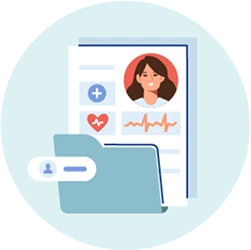
Digital Health Records (DHRs) — sometimes known as Electronic Health Records (EHRs) — are the digital version of your medical history. Instead of scattered files in different clinics, a DHR centralises:
- Your past screening results
- Lab reports
- Prescriptions
- Consultation notes
- Health trends over time
In Malaysia, the Ministry of Health has already begun moving the entire public system toward nationwide electronic records. The push was outlined in the “Malaysia Health White Paper 2023,” which highlights digitalisation as a key priority for the next 15 years.
Source: https://www.moh.gov.my
The reason is simple: when your medical data is organised, accessible, and sharable (safely), your healthcare becomes faster, safer, and more personalised.
Why Digital Health Records Matter for Employees
In a traditional clinic-panel system, employees often don’t know what’s actually going on with their health. They visit a panel doctor for flu, get some meds, and go home — but no long-term health monitoring happens. No data trail. No trend analysis.
With Digital Health Records:
- Employees can track their health changes over time
- Doctors can spot abnormalities earlier
- Serious conditions like diabetes, hypertension, or kidney disease can be caught years earlier
A study published in the Journal of Medical Internet Research found that digital records help reduce medical errors, improve chronic disease management, and increase patient engagement.
Source: https://www.jmir.org
This isn’t futuristic healthcare — it’s happening now, and companies are starting to feel the impact.
How AI Is Transforming Employee Healthcare
AI in healthcare isn’t about robots diagnosing patients. It’s about data-driven insights that help doctors and employees make better decisions.
Here’s how AI supports employee health today:
1. Early Detection of Health Risks
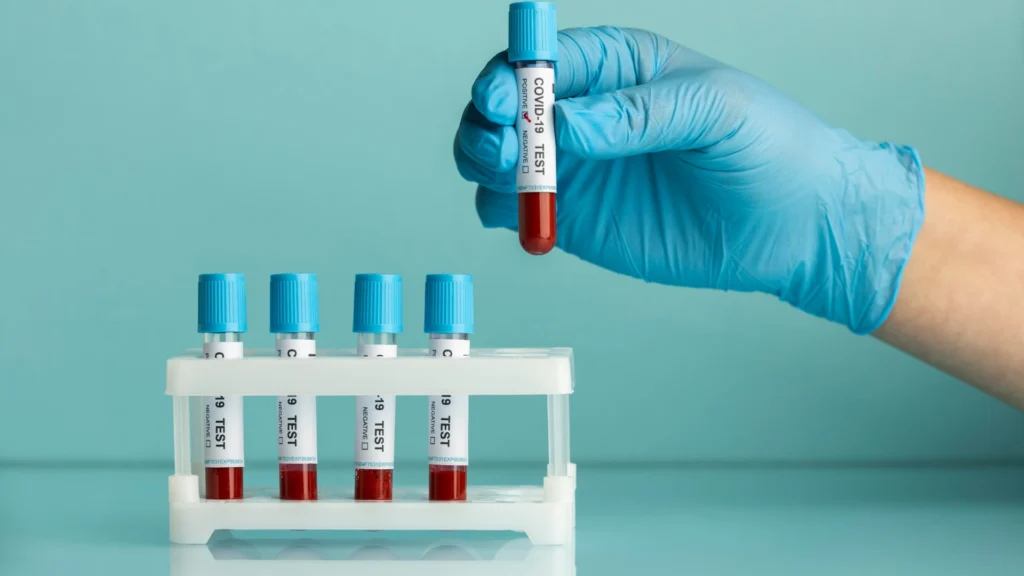
AI can analyse trends in blood tests and screening data — spotting risks long before symptoms appear.
Example: slightly rising HbA1c levels → early-stage diabetes risk.
2. Personalised Health Recommendations
Instead of one-size-fits-all benefits, employees receive suggestions based on their unique health patterns.
Example: If someone’s cholesterol rises, the platform can prompt them for a heart profile before it becomes serious.
3. Better Use of Company Health Budgets
Instead of paying endlessly for MCs, GP visits, and hospital claims, companies can redirect budgets towards prevention, which is far cheaper.
A Deloitte report shows that AI-based predictive tools can lower long-term medical costs by up to 15–20%.
Source: https://www2.deloitte.com
Where FEV3R Fits Into This Future
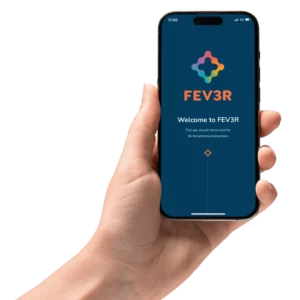
This is where platforms like FEV3R make a real difference.
Most corporate healthcare systems only work when employees are already sick. FEV3R flips the model:
✓ Employees get digital access to their health records
Every screening is archived. Every trend is tracked. No more guessing what your last blood result looked like.
✓ Continuous care — not one-off clinic visits
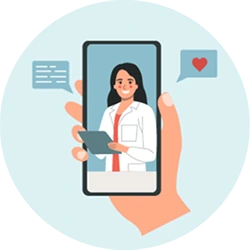
Employees can talk to a doctor online anytime, get follow-ups, and understand their results clearly.
✓ AI-assisted trend tracking
FEV3R’s dashboard allows early identification of health red flags — extremely useful for HR planning.
✓ HR gets company-wide health insights (without breaching privacy)
Aggregate reports show the general health of the workforce — allowing HR to fix issues early.
Example: If many staff show high cholesterol, HR can introduce healthy lunch programs or targeted wellness initiatives.
This kind of digital-first healthcare is not just “nice to have” anymore — it’s becoming the new standard.
Why Employers Benefit the Most
When you combine Digital Health Records + AI + FEV3R’s system, companies gain:
1. A Healthier, More Productive Workforce
Employees who understand their health make better lifestyle decisions.
Less MC, fewer last-minute medical emergencies, fewer burnout-related absences.
2. More Efficient Use of Benefit Budgets
Traditional corporate healthcare wastes money on reactive treatment.
With digital health insights, HR can plan proactive screenings and reduce big-ticket hospital claims.
3. Better Staff Retention
Young employees (especially Gen Z and Millennials) value companies that invest in wellness.
Digital healthcare is now a competitiveness factor in hiring.
4. Clearer ROI for HR
Data-driven decisions allow HR to justify budgets to finance teams — especially when planning for next year.
Challenges Companies Should Expect
Adopting digital health isn’t instant. Companies often face:
• Data privacy concerns
Solution: Choose platforms (like FEV3R) that use encrypted systems and follow strict PDPA compliance.
• Change resistance
Some employees prefer physical clinics. They need training and reassurance.
• Fragmented past medical data
Not all old records can be imported — but starting now creates future consistency.
• Budget planning
Digital tools require strategic budgeting, but long-term ROI is significantly higher.
Best Practices for Companies Transitioning to Digital Health
Here’s how to do it the right way:
- Start with screenings → build a baseline dataset.
- Centralise data → ensure every employee has a digital health profile.
- Use trend analysis → catch rising risks early.
- Provide virtual doctor access so employees get answers fast.
- Review annual reports with HR + management.
Use insights for the next budgeting cycle.
Final Thoughts
AI and Digital Health Records aren’t just “tech trends.”
They’re shaping the future of employee healthcare — faster, smarter, and more human.
And platforms like FEV3R give Malaysian companies a practical way to implement this without needing huge budgets or complicated systems.
If companies want a healthier workforce, lower medical costs, and more predictable health planning, the digital health revolution isn’t coming — it’s already here.
Contact Us