

Imagine a parent waiting months for a child’s appointment with a pediatrician, or an elderly father spending hours in line just to see a cardiologist. This is a reality many Malaysians face due to the medical specialist shortage in Malaysia. The issue is not just about the number of doctors — it’s about the quality of care, waiting times, and the financial strain placed on families who cannot afford private consultations.
The doctor shortage in Malaysia affects people in both urban and rural areas, though the impact is often heavier in smaller towns where hospitals are few and specialists are even fewer. Families are left caught in a cycle of waiting, worrying, and sometimes paying more than they can afford.
Why the Shortage Hurts Families
- Long Waiting Periods
It’s not uncommon to wait weeks or even months for a specialist appointment in public hospitals. For families dealing with heart conditions, childhood illnesses, or chronic diseases, the delay can feel unbearable. - High Costs in Private Care
Those who cannot afford to wait often turn to private hospitals, but specialist fees can be overwhelming. The lack of affordable options highlights the broader issue of healthcare access Malaysia. - Emotional Strain
Illness doesn’t just impact the patient — it affects the entire family. Long waits and financial stress can create anxiety, uncertainty, and helplessness, making recovery even harder.
Geographical Inequality
Specialists tend to cluster in big cities. For rural communities, this means expensive travel and lost income just to get a consultation. The doctor shortage Malaysia widens the healthcare gap between urban and rural families.
How Digital Health Can Ease the Burden
While the shortage of specialists cannot be fixed overnight, digital health Malaysia platforms are helping to close part of the gap.
- Faster Access to General Doctors
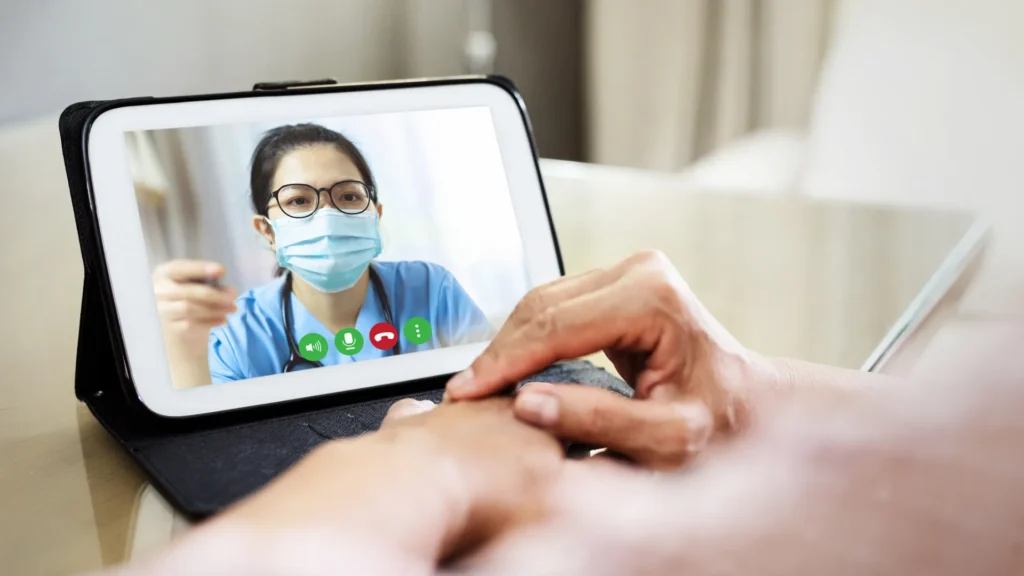
Through telemedicine Malaysia, families can consult general practitioners (GPs) online without needing to travel. While not a replacement for specialists, GPs can provide timely advice, manage mild to moderate conditions, and issue referrals where necessary. - Efficient Referrals
Rather than navigating the system blindly, patients can receive directed referrals through digital platforms, reducing unnecessary visits and delays. - Cost Savings
Online consultations are typically more affordable than in-person visits, easing the financial pressure on families. - Convenience
With healthcare available on smartphones, patients in rural or remote areas don’t need to spend hours traveling for every minor concern.
By making first-level care more accessible, digital solutions reduce the bottleneck and ensure that only those who truly need specialists are directed to them.
Where FEV3R Fits Into the Picture
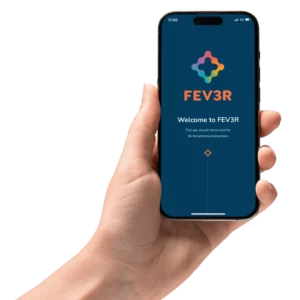
FEV3R was designed with Malaysians in mind, offering affordable subscriptions that connect users to qualified doctors online. For families dealing with the effects of the medical specialist shortage Malaysia, FEV3R provides peace of mind: quick access to general doctors, advice on next steps, and faster referrals if specialist care is needed.
Instead of being stuck in long queues or paying hefty private fees, Malaysians can use FEV3R’s telemedicine Malaysia services anytime, anywhere. This not only improves healthcare access Malaysia but also ensures that families don’t have to wait until a condition worsens before getting attention.
Why Addressing the Shortage Matters
The doctor shortage Malaysia is not just a medical issue — it’s a national concern. When families struggle to see specialists, conditions can worsen, leading to higher healthcare costs and poorer outcomes. The shortage puts pressure on public hospitals, increases the load on existing specialists, and forces many to turn to expensive alternatives.
Digital solutions like FEV3R are not the full answer, but they are part of a sustainable strategy to make healthcare access Malaysia more equitable. By empowering GPs and leveraging technology, Malaysia can reduce delays and lessen the burden on both patients and specialists.
Looking Ahead
Solving the medical specialist shortage Malaysia will require long-term planning — from training more specialists to improving retention in rural areas. But until then, digital health platforms play a critical role in bridging the gap.
By embracing innovations like digital health Malaysia and telemedicine Malaysia, families can take control of their health journeys, ensuring that they receive guidance and care without unnecessary delays.
Conclusion
Healthcare should not be about waiting endlessly or choosing between financial strain and medical attention. The doctor shortage Malaysia has real consequences for families, but with tools like FEV3R, Malaysians can find quicker, more affordable access to care.
Technology won’t solve everything overnight, but it offers a lifeline — a way to ease the burden, reduce stress, and bring care closer to home. In a system where every minute counts, digital health is no longer just an option. It’s a necessity.
Contact Us