
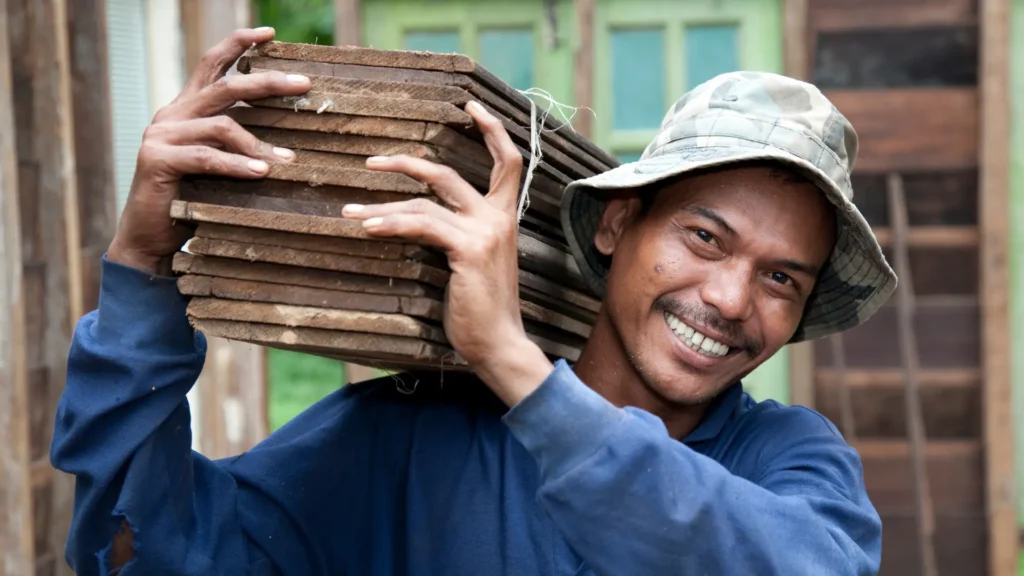
Walk through any construction site, restaurant kitchen, or plantation across the country, and you will see the backbone of Malaysia’s workforce — migrant workers. They are the ones who help build our cities, serve us meals, and keep industries running. Yet, when it comes to something as basic as healthcare, many of them face invisible barriers that prevent them from getting the support they need.
The conversation around migrant healthcare Malaysia is not new, but it remains an issue that has not been addressed fully. Many workers continue to find themselves stuck between high medical costs, complicated access to clinics, and the fear of losing their jobs if they take too much time off for treatment.
Why Healthcare Access Is So Difficult for Migrant Workers
For most Malaysians, visiting a clinic or hospital might be inconvenient but it is still accessible. For foreign workers, however, the experience is completely different.
- High Costs
Private hospitals and clinics often charge fees that are far beyond what many foreign workers can afford. Even simple consultations or medication can take up a significant portion of their monthly income. This is where the issue of affordable healthcare Malaysia becomes critical. - Language and Cultural Barriers
Many workers come from countries where Malay or English is not the first language. Miscommunication during medical visits can lead to incorrect diagnoses, incomplete treatments, or simply being too scared to visit a doctor at all. - Legal and Job Insecurity
Some workers avoid seeking medical help because they fear their employers might see them as a liability. If they fall sick too often, there is always the risk of termination or repatriation. - Geographic and Time Limitations
For workers in plantations or factories located far from urban centers, healthcare is not only expensive but also physically distant. A day spent traveling to a hospital is a day’s wage lost. For shift workers, finding a clinic open at odd hours is nearly impossible.
These barriers highlight why foreign worker health Malaysia is a pressing issue that needs more attention.
The Role of Digital Health in Closing the Gap
Malaysia’s digital shift has already transformed the way we shop, travel, and bank. Healthcare is now beginning to follow the same path. With the rise of digital health Malaysia platforms, solutions that were once out of reach are now becoming accessible.
Telemedicine Malaysia has the potential to break down the very barriers migrant workers face:
- Lower Costs: Online consultations are often cheaper than physical visits, making affordable healthcare Malaysia a reality.
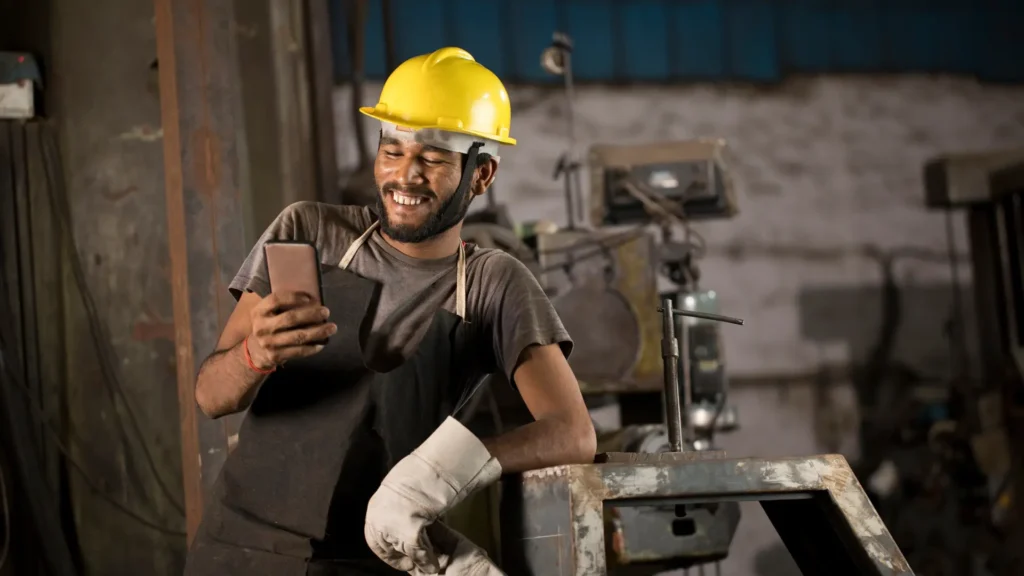
- Accessibility: Workers in rural or industrial areas can get medical advice through their phones without losing an entire day of wages.
- Privacy: Workers can seek help without worrying about being judged or reported unnecessarily.
Language Options: Many apps offer multilingual support, helping bridge communication gaps.
How FEV3R Fits into the Solution
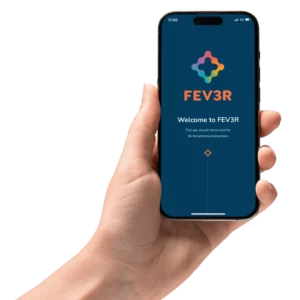
This is where FEV3R steps in. As a subscription-based app, FEV3R is designed to give both Malaysians and foreign workers access to doctors at an affordable rate. Instead of worrying about unpredictable clinic bills, workers can consult doctors online at a fixed subscription fee.
By offering telemedicine Malaysia that is accessible 24/7, FEV3R supports not only locals but also those who often get left behind in the healthcare conversation. For migrant workers who struggle with job insecurity, the ability to quickly consult a doctor, get advice, or receive a prescription online makes a world of difference.
FEV3R’s approach aligns perfectly with the vision of digital health Malaysia: making care available anytime, anywhere, and for everyone — regardless of their background or income.
Why This Matters for Malaysians Too
It’s easy to think of migrant healthcare as a separate issue, but the truth is, it impacts all of us. Workers who remain untreated for common illnesses can spread infections in the workplace, restaurants, or public spaces. More importantly, supporting the wellbeing of migrant workers is simply the right thing to do for a country that depends on their labour.
By making healthcare more inclusive, Malaysia not only strengthens its workforce but also builds a safer, healthier community for everyone. After all, healthcare should never be a privilege; it should be a shared right.
Building a More Inclusive Future
The challenges of migrant healthcare Malaysia are complex, but solutions are within reach. Telemedicine Malaysia and other digital health Malaysia innovations are reshaping the landscape by making care more affordable and accessible.
Employers, policymakers, and ordinary Malaysians can play a part by recognising that foreign worker health Malaysia deserves the same attention as local healthcare. The shift towards affordable healthcare Malaysia will not only improve lives but also strengthen the nation as a whole.
Conclusion
Migrant workers are not just “temporary help” — they are part of Malaysia’s social fabric. If we want to truly progress as a nation, then addressing the barriers they face in healthcare is not optional, it’s essential.
By embracing digital solutions like FEV3R, Malaysia can take a big step forward in ensuring that no one is left behind. Inclusive healthcare means healthier workers, stronger industries, and a better future for all.
Contact Us