
- RM45.3 billion allocated to healthcare in Budget 2025—a 10% increase over 2024—underscores the nation’s commitment to upgrading systems, rural clinics, and hospital capacity Reddit.
- The digital health market is projected to reach US$613 million in revenue in 2025, growing at about 8.7% CAGR through 2029
Grand View ResearchTheGlobalEconomy.com. - The wearable medical device market in Malaysia saw revenues of US$172 million in 2023, with a whopping projected leap to US$1.03 billion by 2030—a 29.1% CAGR Grand View Research.
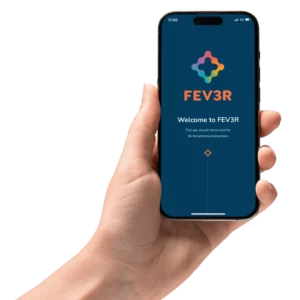
1. Mobile Health Apps – Spotlight on FEV3R
What & Why it matters
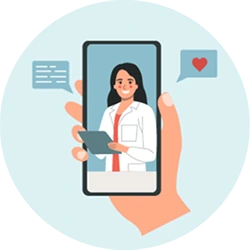
In our increasingly mobile world, apps tailored to healthcare are helping Malaysians manage symptoms, access doctors, get prescriptions delivered, and store health records—all from a smartphone. Among these, FEV3R stands out with its subscription-based, user-friendly model.
How FEV3R supports Malaysians
- Offers unlimited 24/7 virtual doctor consultations from just RM24/month
- Designed for local needs with easy registration, symptom assessment in simple language, and multilingual support (Bahasa Malaysia, English, Mandarin, Tamil)
- Prescription delivery function ensures meds arrive at your doorstep—no more battling KL traffic or crowded clinics
- Preventive and holistic care: FEV3R focuses on chronic conditions, promotes continuity with the same healthcare team, and minimizes surprise bills
Why rural and underserved communities benefit
- Eliminates long travel and waiting times.
- Affordable, predictable healthcare costs that aid families on tight budgets.
Digital tools that help even seniors navigate care—FEV3R includes senior-friendly features built with ease of use in mind.
2. Wearable Health Devices: From Watch to Wellness
Overview
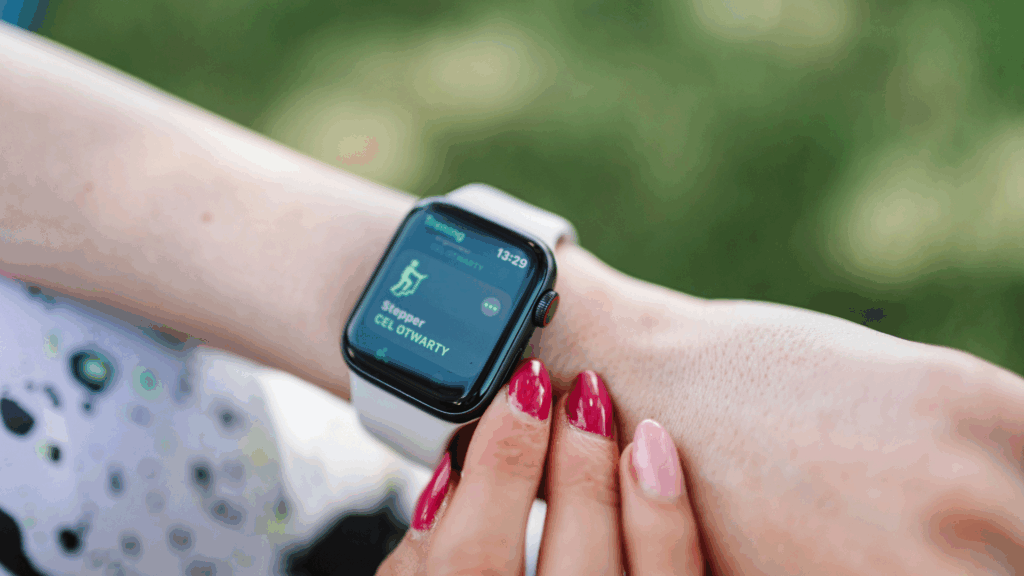
Devices like smartwatches and fitness bands now track vital health data—including heart rate, sleep patterns, and activity metrics—right from users’ wrists.
Malaysia’s adoption and impact
- The wearable medical device segment is booming, with projected growth from US$172 million in 2023 to US$1.03 billion by 2030 at a 29.1% CAGR Grand View Research.
- A local study reveals that perceived convenience, accuracy, and value significantly influence adoption of wearable fitness devices among Malaysians PubMed.
Benefits for underserved groups
- Enables preventive care by alerting users to health trends early on.
- Encourages healthier lifestyles—especially useful in combatting rising obesity. Reddit users note Malaysia’s high sugar consumption is a growing concern: “One in five Malaysians suffers from diabetes”
Wearables give remote communities real-time health data without regular clinic visits.
3. AI-Powered Diagnostics: Smarter Screening, Faster Care
What it does
AI tools help interpret imaging—X-rays, CT scans, and MRIs—faster and more accurately, which is especially helpful where specialist doctors are limited.
Local applications & impact
- Malaysia is integrating AI into public clinic systems and urban hospitals to speed detection of diseases and reduce referrals PubMedGrand View Research.
Positive outcomes
- Reduces wait times and hospital overcrowding.
- Helps detect critical illnesses early, improving outcomes and lowering long-term costs.
Barriers
- Requires effective training and funding.
Must ensure data privacy and ethical use.
4. Remote Patient Monitoring (RPM): Care Within Reach
How it works
RPM systems use devices to track health metrics (BP, glucose, etc.) remotely, sending real-time updates to clinicians.
Malaysia context
- Expansion of 5G via programs like JENDELA is enhancing remote connectivity—critical for RPM effectiveness.
Why underserved areas benefit
- Patients manage chronic conditions from home, limiting costly or challenging travel to health facilities.
Enables early intervention, reducing emergency cases and hospital load.
5. Robotics & Automation in Healthcare
What’s emerging
Robots now assist in surgical procedures, pharmacy dispensing, and elder care—helping fill workforce gaps and serve underserved regions.
Local relevance
- While Malaysia is still ramping up, international trends point toward growing integration of robotics and smart automation.
Why it matters for access and affordability
- Enhances healthcare precision and efficiency.
- Supports understaffed rural hospitals and clinics.
Minimizes human error while optimizing resource use.
Looking Ahead
The convergence of these five trends—mobile apps like FEV3R, wearables, AI diagnostics, RPM, and robotics—creates a powerful ecosystem to close health equity gaps in Malaysia.
But success depends on:
- Infrastructure: Continued funding to expand broadband and rural connectivity.
- Device affordability: Subsidies or public–private partnerships making wearables and apps like FEV3R accessible to all.
- Digital literacy: Training for patients, particularly seniors, to use these tools comfortably.
- Policy clarity: Regulations safeguarding health data, and incentives to scale these technologies.
Together, these innovations can reshape Malaysia’s healthcare future—making it more inclusive, patient-centric, and cost-effective.
References
- Grand View Research – Malaysia wearable medical devices: US$172M (2023) to US$1.03B (2030), 29.1% CAGR Grand View Research
- PubMed – Study on intentions to adopt wearable fitness devices in Malaysia PubMed
- Diabetes prevalence in Malaysia—21.1% of adults International Diabetes Federation
- Budget 2025 healthcare funding – RM45.3B allocation, rising CAGR Reddit
- Reddit mention: “One in five Malaysians suffers from diabetes” Reddit
- Global mobile phone access in Malaysia – 98.6% Reddit